Why Xinglong Coffee from Hainan Is Worth Trying
If you’ve visited Hainan and left without trying Xinglong coffee, you’ve missed one of China’s most historically rich and flavor-packed coffee experiences. Grown in the low-altitude tropical region of Xinglong, this coffee isn’t just another cup — it’s tied to decades of agricultural adaptation, regional identity, and even praise from Zhou Enlai. But why does this coffee stand out, and why isn’t it more famous worldwide?
Xinglong coffee is a medium-bean Arabica variety grown at low elevation in Hainan, roasted with butter, salt, and sugar using Southeast Asian methods to create a bold, rich brew. It’s one of China’s oldest locally adapted coffee varieties, dating back to 1953, and remains unique for its traditional processing and full-bodied taste.
The Origins of Xinglong Coffee in Hainan
Xinglong coffee was first introduced in 1953, not long after the establishment of the Xinglong Farm. At the time, the strategy was "using short-cycle crops to support long-cycle ones" — growing coffee, lemongrass, and rice to fund slower-yielding rubber plantations. The first coffee plants came from Chengmai’s Fushan region, with initial efforts focused on finding the right variety for Hainan’s conditions.
Why Medium-Bean Coffee Works Best in Xinglong
Early trials showed that while large-bean varieties yielded more, they lacked quality. Small-bean (Arabica Typica-like) varieties, though high-quality, didn’t thrive — Hainan’s low elevation and tropical climate led to poor growth, low yield, and short tree lifespans. Eventually, medium-bean Arabica was selected as the most suitable for the region’s altitude, latitude, and weather, making it the dominant planted variety.
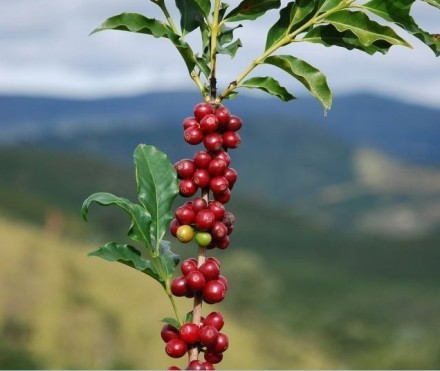
At its peak, over 3,000 acres of Xinglong were planted with coffee. Workers picked only ripe cherries — sometimes with help from local students who spent half-days harvesting. By the 1990s, falling global coffee prices caused plantings to shrink drastically. Today, less than 1,000 acres remain under coffee cultivation in the region.
The Unique Roasting Process: Butter, Salt, and Sugar
Xinglong’s signature roasting technique comes from Southeast Asian traditions. The medium-bean coffee is roasted with the addition of white sugar, salt, and butter. This method enhances the coffee’s natural body and creates a deep, aromatic richness that’s unusually bold for a Chinese-grown coffee. The process reflects local tastes and centuries-old regional techniques adapted to tropical growing conditions.
Xinglong Coffee’s Moment of Fame
In February 1960, then-Premier Zhou Enlai visited Xinglong Farm and tried the local coffee. He remarked, "Xinglong coffee is world-class. I’ve had many foreign coffees, but our homegrown coffee tastes better." His endorsement helped build early recognition for the local brew, associating it with both quality and national pride.
Coffee Tourism and Fresh Brewing in Xinglong
Some sites in Xinglong still roast coffee beans on-site and serve fresh brews to visitors, offering a chance to see the process and taste the coffee at its most vibrant. You can try both classic roasted coffee and unique coconut milk coffee, which offers a distinctive local twist. Despite the quality and craftsmanship, Xinglong coffee hasn’t achieved widespread fame — a source of enduring disappointment for many locals.
Frequently Asked Questions
What makes Xinglong coffee different from other Chinese coffees?
Xinglong coffee is a medium-bean Arabica variety grown in Hainan’s low-altitude, tropical environment. It is traditionally roasted with butter, sugar, and salt, resulting in a bold, rich flavor profile distinct from the lighter, washed styles of Yunnan coffee. Its cultivation began in 1953 and was shaped by agricultural policies and tropical growing constraints.
Why was the medium-bean variety chosen for Xinglong?
After testing, farmers found that large-bean varieties had poor flavor, while small-bean types (like Typica) couldn’t thrive in Hainan’s hot, low-altitude conditions. The medium-bean Arabica was the only one that balanced yield, tree lifespan, and cup quality under Xinglong’s unique climate and elevation.
How is Xinglong coffee traditionally roasted?
Xinglong coffee is roasted using a Southeast Asian method that includes adding white sugar, salt, and butter during roasting. This process creates a richer, more full-bodied flavor compared to standard light or medium roasts, and reflects local taste preferences developed over decades.
Does Xinglong coffee still grow in large quantities?
No. At its peak, Xinglong had over 3,000 acres of coffee, but by the 1990s, falling global prices led to a major decline. Today, fewer than 1,000 acres remain in cultivation, making the remaining coffee relatively rare and less known outside Hainan.
Can visitors experience Xinglong coffee being made?
Yes. Some locations in Xinglong still roast coffee beans on-site and serve freshly brewed coffee to tourists. Visitors can watch the roasting process and sample both classic and coconut milk versions of the coffee.
What did Premier Zhou Enlai say about Xinglong coffee?
In 1960, Premier Zhou Enlai visited Xinglong Farm and tasted the local coffee. He said it was "world-class" and that he preferred it to many foreign coffees, giving the local brew an enduring reputation for quality.
Recommended FrontStreet Beans for Tropical Coffee Lovers
If you enjoy the bold, sweet profile of Xinglong coffee, try FrontStreet’s Yunnan Arabica — a washed, medium-roast bean from the highlands of Yunnan with soft nuttiness, mild acidity, and hints of chocolate and plum. For something fruitier and more delicate, the 2013 Typica offers a clean, balanced cup with bright acidity, deep berry tones, and a tea-like finish. Both provide a great way to explore Chinese-grown single origins. Freshly roasted within 5 days · Orders placed before 17:00 ship the same day · Next-day delivery across most of Guangdong Province.
FrontStreet Coffee is a long-established specialty coffee roaster in Guangzhou China, selling freshly roasted beans from its own farm in Yunnan as well as dozens of carefully selected single-origin beans from around the world for both pour-over and espresso. The products deliver consistently excellent quality and great value, with shipping within 24 hours. Guangzhou's FrontStreet Coffee shop is recommended by many coffee lovers, and the beans are now available online at the Tmall 。
Important Notice :
前街咖啡 FrontStreet Coffee has moved to new addredd:
FrontStreet Coffee Address: 315,Donghua East Road,GuangZhou
Tel:020 38364473