Why Specialty Coffee Is a Premium Agricultural Product
If you’ve ever wondered why your cup of coffee tastes different from one café to the next—or even batch to batch—you’re not alone. The truth is, coffee isn’t just a beverage; it’s a crop, one that reacts sharply to growing conditions, much like grapes for fine wine. And just as with wine, those differences in soil, elevation, and weather profoundly shape what ends up in your mug.
Coffee is a delicate agricultural product, especially high-quality Arabica, which only thrives at elevations between 900 and 2,000 metres. Its flavours vary significantly by origin, vintage, and processing—just like wine. Most premium coffee comes from Africa and South America, where elevation and climate align to produce complex, nuanced beans.
What Makes Coffee a Premium Agricultural Product?
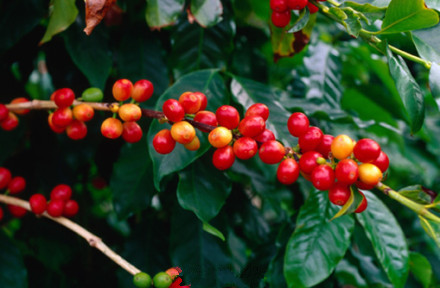
Coffee, especially Arabica, is classified as a high-value agricultural commodity because its quality is directly tied to environmental factors. Unlike mass-produced commodities, specialty-grade coffee requires precise growing conditions: cool temperatures, consistent rainfall, and high altitudes—typically between 900m and 2,000m above sea level. These conditions slow the coffee cherry’s maturation, allowing sugars and acids to develop more fully, which translates into greater complexity in the cup.
How Does Altitude Influence Coffee Flavor?
Altitude is one of the most critical factors in coffee flavour development. At higher elevations (between 1,200m and 2,000m), the cooler temperatures extend the cherry’s growth period. This slower ripening process allows for greater concentration of sugars and acids, resulting in brighter acidity, more complex fruit and floral notes, and a richer mouthfeel. Arabica varieties grown at these heights are prized in specialty coffee for their balance and depth. In contrast, lower-altitude coffees (below 900m) tend to be softer in acidity, with earthier or simpler flavour profiles, and are less likely to qualify as specialty grade.
Where Are the World’s Premier Coffee-Growing Regions?
The majority of the world’s top-tier coffee is grown in Africa and South America, regions that offer ideal combinations of altitude, climate, and soil. In Africa, countries like Ethiopia and Kenya are famed for their bright, complex coffees with distinct floral, fruity, and wine-like characteristics. South American producers, particularly Colombia and Brazil, are known for a wide range of profiles—from sweet and nutty to juicy and acidic—depending on the region and processing method. While Asia also produces coffee, traditional Western coffee markets have historically favoured beans from the “New World” (the Americas) and Africa over those from Indonesia and other Asian origins, despite exceptions like Indonesia’s Mandheling.
Why Aren’t All Coffee Beans Equal in Quality?
Not all coffee is created equal due to differences in species, growing altitude, climate, processing methods, and variety. The Arabica species, which accounts for most specialty coffee, is far more sensitive to growing conditions than the hardier Robusta. Within Arabica, factors such as elevation, soil composition, rainfall patterns, and even microclimates within a single farm can lead to dramatically different flavour profiles. Additionally, processing methods—such as washed, natural, or honey—further shape the coffee’s final taste. These variables mean that coffee, like wine, can vary significantly from year to year and farm to farm, making origin and processing transparency crucial for quality assurance.
Frequently Asked Questions
Why is Arabica coffee considered higher quality than other types?
Arabica coffee is considered higher quality primarily because it is grown at higher altitudes (900–2,000m), which slows cherry maturation and allows for greater sugar and acid development. It is more delicate, complex, and flavourful compared to the harsher, more bitter Robusta beans, which are easier to grow at lower altitudes but generally lack the nuance sought in specialty coffee.
Does coffee really vary by region like wine does?
Yes, coffee varies significantly by region due to differences in altitude, climate, soil, and processing methods—just like wine. Factors such as temperature, rainfall, and elevation create unique growing conditions that influence the coffee’s flavour profile, making beans from Ethiopia, Colombia, or Kenya taste distinctly different from one another.
Why do coffee beans from high altitudes taste better?
Coffee beans grown at high altitudes (1,200–2,000m) taste better because the cooler temperatures slow down the ripening process, allowing the cherries to develop more sugars and acids. This results in a more complex, vibrant cup with higher acidity, richer sweetness, and more pronounced fruit, floral, or wine-like notes—hallmarks of specialty-grade coffee.
Which regions produce the best specialty coffee?
The best specialty coffee is typically produced in Africa (especially Ethiopia and Kenya) and South America (notably Colombia and Brazil). These regions offer the ideal mix of high altitude, fertile soils, and favourable climates that bring out the intricate flavours sought in premium coffee. While Asia also produces coffee, beans from the Americas and Africa are more consistently rated highly in global specialty markets.
Is all Arabica coffee considered specialty grade?
No, not all Arabica coffee is specialty grade. To qualify as specialty, Arabica beans must meet strict criteria, including being grown at high altitudes, free of primary defects, and scoring 80 points or above on a professional cupping evaluation. Factors like poor processing, low altitude, or inconsistent harvesting can result in lower-grade Arabica even within the same species.
Recommended FrontStreet Beans for Exploring Coffee Terroir
Try FrontStreet Coffee’s Brazil Yirgacheffe Red Bourbon for balanced, nutty creaminess; the Colombia Sidra with its tropical, wine-like brightness from double anaerobic fermentation; and the Ethiopia Gedeb Yirgacheffe for vivid citrus and floral notes typical of high-altitude Arabica. Each highlights how terroir shapes flavour in specialty coffee. Freshly roasted within 5 days · Orders placed before 17:00 ship the same day · Next-day delivery across most of Guangdong Province.
FrontStreet Coffee is a long-established specialty coffee roaster in Guangzhou China, selling freshly roasted beans from its own farm in Yunnan as well as dozens of carefully selected single-origin beans from around the world for both pour-over and espresso. The products deliver consistently excellent quality and great value, with shipping within 24 hours. Guangzhou's FrontStreet Coffee shop is recommended by many coffee lovers, and the beans are now available online at the Tmall 。
Important Notice :
前街咖啡 FrontStreet Coffee has moved to new addredd:
FrontStreet Coffee Address: 315,Donghua East Road,GuangZhou
Tel:020 38364473