What Makes Jamaican Blue Mountain Coffee So Special?
When someone says 'the best coffee in the world,' many coffee lovers think of Jamaican Blue Mountain—but few have ever tasted the real thing. You may have ordered it in a café, seen it on menus, or heard the legends, yet wondered: what actually makes Blue Mountain coffee so special? Why is it so expensive, and can you really find the genuine article outside Japan? Here’s the full story, grounded in facts, not marketing.
In short: authentic Jamaican Blue Mountain coffee comes only from a specific high-altitude region in Jamaica (above 1,600m), is grown under strict conditions, and must be certified by the Jamaican Coffee Industry Board. Less than 900 tons are produced yearly, with over 90% traditionally going to Japan—making global supply extremely limited. The unique climate, labor-intensive processing, and careful grading all contribute to its high price and refined cup profile.
Where Blue Mountain Coffee Comes From
Jamaican Blue Mountain coffee grows in the Blue Mountains of eastern Jamaica. The region’s name comes from the way sunlight reflects off the Caribbean Sea onto the mountains, creating a blue haze. The area’s highest peak reaches 2,256 meters, making it the tallest in the Caribbean. The coffee is cultivated between 1,200 and 1,700 meters, with the very best beans coming from elevations above 1,600 meters. The steep terrain, volcanic soil, frequent mist, and consistent rainfall (about 1,980 mm annually) create ideal but challenging growing conditions.
Why Is Blue Mountain Coffee So Rare and Expensive?
The annual production of true Jamaican Blue Mountain coffee is under 900 tons. Of that, around 90% has historically been purchased by Japan, leaving just 10% for the rest of the world. In the early 1990s, for example, Jamaica exported 688 tons to Japan, 75 to the United States, and 59 to the United Kingdom. Today, it’s estimated that 90% goes to Japanese buyers. This heavy demand from a single market, combined with limited production and strict certification, results in very scarce availability globally—even at premium prices.
How Blue Mountain Coffee Is Grown and Processed
Blue Mountain coffee is cultivated on rugged, terraced hillsides that are difficult to access. Most harvesting is done by skilled local women who carefully pick only perfectly ripe coffee cherries. The beans are depulped the same day, then fermented for 12 to 18 hours before being washed and sorted. They are dried on cement patios or thick mats until their moisture content drops to 12–14%. Finally, the beans are stored in warehouses before roasting. Every stage—from picking to drying—must be carefully controlled to maintain quality.
What Defines Authentic Blue Mountain Coffee?
Not all coffee grown near the Blue Mountains qualifies. Only beans grown at elevations above 1,600 meters within the designated Blue Mountain region can be called Jamaican Blue Mountain. Within that, only about 6,000 hectares produce the official product, and annual output rarely exceeds 900 tons. The coffee is grown mainly by smallholders using mixed planting systems alongside bananas and avocados. Even the largest farms would be considered small by international standards. The official grade for the top-quality beans is No.1, with peaberry (also known as pearl bean) versions considered the most premium.
Flavor Profile and Roast Recommendations
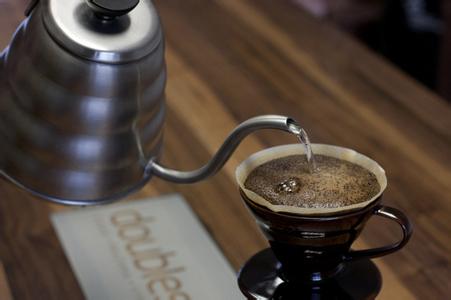
Blue Mountain coffee is known for its exceptional balance. It has a mild, smooth profile with no harsh bitterness, moderate acidity, and a clean, sweet finish. Tasters often note flavors of nuts, mild fruits, chocolate, and caramel. The coffee’s low caffeine content (less than half that of other coffees) adds to its appeal. FrontStreet Coffee’s recommended roast level is medium, and the optimal brew method is pour-over (such as with a SwissGold filter), though it also performs well in moka pots and espresso machines. For the best extraction, use a grind size suited to your brew method and aim for a balanced brew ratio.
The Unique Peaberry Bean
The finest Blue Mountain beans are often No.1 grade peaberries. These are rare, small, round beans formed when a coffee cherry produces a single rounded bean instead of two flat ones. They are typically found at the highest altitudes, around 2,100 meters, and are considered the pinnacle of quality among Blue Mountain beans. They tend to have a more concentrated, uniform shape and often exhibit enhanced sweetness and complexity.
How to Identify Real Blue Mountain Coffee
Genuine Jamaican Blue Mountain coffee comes with official certification from the Jamaican Coffee Industry Board. While there’s no public traceability code, reputable importers provide export certificates and use traditional wooden barrels (typically 15, 45, or 70 kg) for shipping. The beans themselves are usually larger, rounder, and cleaner in appearance compared to lower-grade coffees. Always buy from sellers who can provide proof of origin and certification.
Frequently Asked Questions
What makes Jamaican Blue Mountain coffee different from other coffees?
Jamaican Blue Mountain coffee is grown in a specific high-altitude region of Jamaica under strict agricultural and processing standards. Its unique combination of elevation, climate, volcanic soil, and meticulous farming practices leads to a smooth, balanced cup with mild acidity, low bitterness, and no harshness. It’s also one of the most expensive and scarce coffees in the world due to limited production and high global demand—especially from Japan.
Why is Blue Mountain coffee so expensive?
The high price is due to limited supply (under 900 tons per year), high demand (especially from Japan, which buys over 90% of the crop), and the labor-intensive cultivation and processing methods. The beans are grown on steep mountain slopes, handpicked, and carefully processed through fermentation, washing, drying, and slow aging. Only certified beans from the designated high-elevation region can be called Jamaican Blue Mountain, adding to its rarity and cost.
Can I buy real Blue Mountain coffee outside Japan?
Yes, but only about 10% of production is available globally. Most of that is certified and imported through official channels. However, availability is limited and often comes at a premium. Always check for official certification or documentation from the importer to ensure authenticity. The beans should come from the designated Blue Mountain region and be grown above 1,600 meters altitude.
What’s the best way to brew Jamaican Blue Mountain coffee?
The recommended brewing method is pour-over, such as with a SwissGold filter, using a medium roast and a grind size suited for pour-over (medium-fine to medium). A typical brew ratio is around 1:15 to 1:16, with water temperature between 85–88°C. It also performs well in moka pots and can be used for espresso, though it’s most famous as a black, filtered coffee meant to highlight its natural sweetness and balance.
What is a peaberry in Blue Mountain coffee?
A peaberry (or pearl bean) is a rare natural mutation where a coffee cherry produces one small, round bean instead of the usual two flat beans. In Blue Mountain coffee, these peaberries are often found at higher altitudes and are considered the highest quality. They tend to roast more evenly, have a more concentrated flavor, and are often classified as No.1 grade—the top tier of Blue Mountain beans.
Recommended FrontStreet Blue Mountain Beans
The Jamaica Blue Mountain No.1 from FrontStreet Coffee offers the classic balanced profile of the region—clean, sweet, and smooth with notes of nuts, mild fruit, and chocolate. For those seeking the ultimate expression, look for their No.1 Peaberry offering, which consists of the rarer small, round beans known for extra concentration and complexity. Both are certified authentic and represent the pinnacle of Jamaican coffee. Freshly roasted within 5 days · Orders placed before 17:00 ship the same day · Next-day delivery across most of Guangdong Province.
FrontStreet Coffee is a long-established specialty coffee roaster in Guangzhou China, selling freshly roasted beans from its own farm in Yunnan as well as dozens of carefully selected single-origin beans from around the world for both pour-over and espresso. The products deliver consistently excellent quality and great value, with shipping within 24 hours. Guangzhou's FrontStreet Coffee shop is recommended by many coffee lovers, and the beans are now available online at the Tmall 。
Important Notice :
前街咖啡 FrontStreet Coffee has moved to new addredd:
FrontStreet Coffee Address: 315,Donghua East Road,GuangZhou
Tel:020 38364473