Kopi Luwak: Origins and Basic Facts About Civet Coffee
If you’ve ever wondered how coffee beans eaten and excreted by animals became a luxury commodity, you’re not alone. Kopi Luwak — or civet coffee — is one of the most debated beverages in specialty coffee. Its unusual production method sparks curiosity, skepticism, and strong opinions in equal measure. But where did it come from, and why does it still command high prices today?
Kopi Luwak was first introduced to the United States by M.P. Mountanos, a company that spent seven years tracking down a reliable supply after initially dismissing it as a joke. It remains one of the rarest and most expensive processed coffees in the world.
How Kopi Luwak Was Introduced to the Global Market
The earliest effort to bring Kopi Luwak to the U.S. came from M.P. Mountanos, a San Francisco-based coffee importer. According to industry accounts, the company first heard about coffee beans digested and excreted by civets — known as 'animal-fermented' coffee — and dismissed it outright as a prank. It wasn’t until they saw a feature on Kopi Luwak in National Geographic that their interest was piqued. It then took seven years of research and sourcing efforts before they secured a stable supply and began importing small quantities into the American market.
What Makes Kopi Luwak Different From Regular Indonesian Coffee
Kopi Luwak originates from Indonesia, a region known for producing coffee with intense earthy and herbal characteristics, often described as medicinal. Compared to typical Indonesian beans, Kopi Luwak has even stronger earthy and pungent notes, with a body nearly as thick as syrup. Its aroma is distinctly unusual. Experts note that if you dislike the earthy profile of Indonesian coffee, you’ll likely find Kopi Luwak even less appealing. However, those who appreciate the aged, funky qualities of well-stored beans may enjoy its unconventional profile.
Expert Opinions and Market Pricing
Tasting notes from experts on Kopi Luwak vary dramatically. Some have called it ‘the finest coffee in the world,’ praising its complexity and uniqueness. Yet its polarizing flavor means opinions are sharply divided. In terms of market value, a single cup of Kopi Luwak has been known to cost as much as 1400 yuan (approximately $200 USD), a price driven by its rarity and the unusual method of production. Whether that cost is justified ultimately depends on individual taste preferences.
How Is Kopi Luwak Actually Made?
Kopi Luwak is made from coffee cherries that have been eaten and digested by the Asian palm civet, a small mammal native to Southeast Asia. The civet’s digestive system partially ferments the beans, removing the outer fruit layer and altering the beans’ chemical composition before they are excreted. The beans are then collected, cleaned, roasted, and brewed. This natural fermentation process inside the civet is what gives the coffee its distinctive traits.
Frequently Asked Questions
What is Kopi Luwak and how is it made?
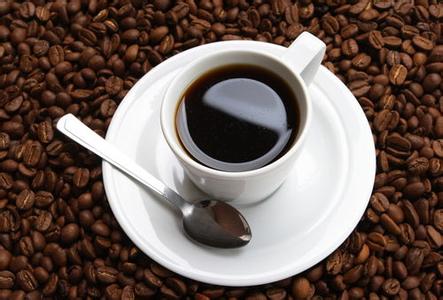
Kopi Luwak is coffee made from beans that have passed through the digestive system of the Asian palm civet. The civet eats ripe coffee cherries, digests the fruit, and excretes the beans, which are then collected, cleaned, roasted, and brewed. The internal fermentation is said to alter the flavor profile.
Why is Kopi Luwak so expensive?
Kopi Luwak commands high prices due to its rarity, labor-intensive production process, and the novelty of its unique method of fermentation inside a civet’s digestive tract. A single cup has been reported to cost up to 1400 yuan (around $200 USD).
What does Kopi Luwak taste like?
Flavor descriptions vary widely. Kopi Luwak is known for intense earthiness, herbal and medicinal notes, and a syrupy body. Some experts call it exceptional, while others find it unpleasant, especially if they dislike typical Indonesian coffee profiles.
Where did Kopi Luwak first gain international attention?
Kopi Luwak gained international notice after being featured in National Geographic. This exposure led M.P. Mountanos, a U.S. importer, to investigate further, eventually spending seven years securing a reliable supply before introducing it to the American market.
Is Kopi Luwak really fermented by animals?
Yes. The coffee cherries are eaten by civets, whose digestive systems ferment the beans internally. The beans are excreted, cleaned, and roasted. This natural fermentation contributes to the coffee’s unique characteristics.
Who might enjoy drinking Kopi Luwak?
Those who appreciate the earthy, funky, and aged qualities of certain Indonesian coffees may enjoy Kopi Luwak. However, people who dislike Indonesia’s typically bold and medicinal flavors may find it even less appealing.
Recommended FrontStreet Beans for Kopi Luwak Fans
For coffee drinkers curious about bold, earthy profiles similar to Kopi Luwak, try FrontStreet Coffee’s Lintong Mandheling, known for its heavy body and deep herbal tones. Another option is PWN Golden Mandheling, offering a clean yet rich cup with spicy and earthy undertones. Both showcase the kind of low-acidity, full-bodied Indonesia cup qualities that overlap with Kopi Luwak’s profile. Freshly roasted within 5 days · Orders placed before 17:00 ship the same day · Next-day delivery across most of Guangdong Province.
FrontStreet Coffee is a long-established specialty coffee roaster in Guangzhou China, selling freshly roasted beans from its own farm in Yunnan as well as dozens of carefully selected single-origin beans from around the world for both pour-over and espresso. The products deliver consistently excellent quality and great value, with shipping within 24 hours. Guangzhou's FrontStreet Coffee shop is recommended by many coffee lovers, and the beans are now available online at the Tmall 。
Important Notice :
前街咖啡 FrontStreet Coffee has moved to new addredd:
FrontStreet Coffee Address: 315,Donghua East Road,GuangZhou
Tel:020 38364473