Singapore-Style Hand-Pulled Coffee in Guangzhou
In the bustling Tianhe business district of Guangzhou, office workers juggle tight schedules and caffeine cravings. With over ten cafés lining the streets, each offers a different rhythm—some fast and functional, others slow and deliberate. But what if you want something more than a quick fix, yet not a full sit-down experience? Enter a new wave of manually brewed coffee inspired by Singapore’s iconic kopi culture.
If you’re looking for a uniquely prepared cup that balances tradition and technique, head to Tianhe’s new Ya Fu café. Their hand-pulled coffee mimics South Asian ‘pulling’ techniques—but with just one controlled pour—to enhance aroma without sacrificing flavor. The result? A bold, balanced cup that delivers an authentic taste of Singaporean café culture, right in the heart of Guangzhou.
What Is Singapore-Style Hand-Pulled Coffee?
Singapore-style kopi is a cultural institution. Locals drink it black, sweet, with condensed milk—or any combination thereof. Common orders include Kopi (coffee with condensed milk and sugar), Kopi O (coffee with sugar only), Kopi C (coffee with evaporated milk and sugar), and Kopi O Kosong (black coffee with no sugar or milk). At Ya Fu in Guangzhou, they adapt these traditions, using familiar terms like Coffee C and Coffee O, but with their own twists.
Rather than using a traditional coffee machine, Ya Fu prepares coffee manually using a pull method reminiscent of teh tarik (pulled tea). The key difference? They limit the ‘pulls’ to just one, preserving the integrity of the coffee’s flavor profile. This approach isn’t about showmanship—it’s about control. Staff train repeatedly to perfect the motion, ensuring each cup maintains balance and depth.
The Coffee Roast: Corn, Sugar, and Bold Flavor
In Singapore, some roasters add corn to the coffee bean roast to darken the color—though the corn itself is flavorless. Ya Fu takes a different path. Instead of corn, they add sugar during roasting or brewing to mellow acidity and enhance sweetness. The result is a darker, smoother cup that resonates with the classic kopi profile, but tailored for local palates.
This method reflects a broader philosophy: manually tuning each batch to achieve the desired roast tone and flavor balance. It’s a hands-on approach that prioritizes the drinking experience over convenience. The dark roast style, paired with careful sugar modulation, ensures a cup that feels robust yet approachable.
How They Make It: The ‘Pull’ Technique
The signature ‘hand-pulled’ method at Ya Fu is inspired by teh tarik, where tea is poured back and forth between vessels to create aeration and texture. For coffee, Ya Fu limits this to a single pull. Why? Because multiple pours can over-extract and degrade the delicate flavors, especially in a dark roast.
The technique requires precision. Baristas train extensively to master the angle, timing, and flow rate of the pour. The goal is to introduce slight aeration that lifts the aromatics without scorching the coffee or altering its roast character. It’s a subtle art—more science than spectacle.
Menu Highlights: What to Order
Ya Fu serves a concise selection of classic-inspired drinks, each priced at ¥10–¥15:
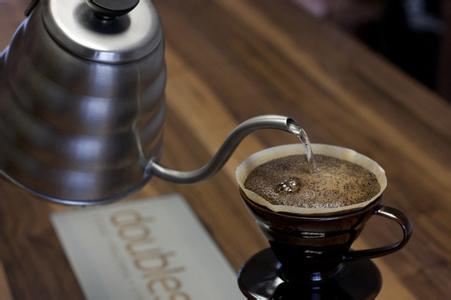
- Coffee 12: Their signature hand-pulled coffee, bold and balanced.
- Coffee -C 12: Dark roast coffee with evaporated milk and sugar—similar to Kopi C.
- Coffee -O 10: Black coffee, no milk or sugar—akin to Kopi O Kosong.
- Kaya Toast 12: A nostalgic toast pairing, thick with butter and kaya jam.
- Waffle 15: A crispy, golden waffle for pairing with your coffee.
Each drink reflects a nod to Singapore’s café culture, adapted for fast-paced enjoyment without sacrificing authenticity.
Cold Summer Treats: Customizable Starbucks Blends
Not far away, Starbucks in the same district ups the ante with customizable frappuccino-style drinks. Their ‘Star Ice Blends’ offer over 87,000 possible flavor combinations using various concentrations of espresso, types of milk, syrups, and toppings. You can even select low-calorie options—for instance, a sugar-free, low-fat, medium unsweetened version with around 100 calories.
The new system lets customers mix and match elements like:
- Four milk choices (including soy)
- Flavor toppings (strawberry, chocolate, matcha)
- Custom syrup options (hazelnut, vanilla, raspberry)
- Coffee strength levels (regular, espresso, decaf)
Want to recreate your favorite? Use the provided card to note your preferences and speed up future orders. Featured picks include the Strawberry Soybean Star Ice 30 (soy milk, strawberry, no coffee, topped with whipped cream—dairy optional) and the Low-fat Mocha Star Ice 30 (low-fat milk, deep chocolate tones, no whipped cream).
Rare Bean Alert: Civet Coffee from Vietnam
Also in Tianhe, another café specializes in kopi luwak—or civet coffee—marketed as the world’s most expensive and exclusive brew. Sourced from wild civets in Vietnam’s Buon Ma Thuot region, the beans undergo natural fermentation in the animal’s digestive tract, which alters their chemical makeup and enhances flavor complexity.
The roastery owns 2,000 acres of legal coffee farms in Vietnam and raises civets sustainably. The beans are brewed best using a siphon (vacuum pot), which preserves up to 100% of their volatile compounds. Brewing temperature is critical: 90°C is optimal, but depends on the roast level. The result is a bold, layered cup with hints of chocolate, fermented fruit, and a lingering earthy sweetness.
The café serves kopi luwak for ¥268 per cup—half-filled in a blue court cup, meant to be enjoyed black to appreciate its full spectrum of aroma and finish. Tasters often note a strong initial bitterness followed by a smooth, sweet aftertaste.
Frequently Asked Questions

What is Singapore-style kopi and how is it different from regular coffee?
Singapore-style kopi refers to a traditional way of preparing coffee with condensed milk, sugar, or evaporated milk, often roasted with added ingredients like corn for color. It includes specific drink types such as Kopi (with condensed milk and sugar), Kopi O (sugar only), and Kopi C (with evaporated milk and sugar). Ya Fu in Guangzhou adapts these styles using manual brewing techniques instead of machines.
How does the ‘hand-pulled’ coffee method work?
The hand-pulled technique mimics teh tarik, where liquid is poured between vessels to aerate it. At Ya Fu, baristas pour the coffee once to lightly aerate it without over-extracting. This method enhances aroma and texture while using only one controlled motion to preserve flavor integrity.
What kind of coffee roast does Ya Fu use?
Ya Fu uses a dark roast coffee and may add sugar during the roast or brew to balance acidity and enhance sweetness, instead of adding corn like some Singapore roasters. The result is a smooth, bold cup reminiscent of traditional kopi but adapted for local tastes.
What is kopi luwak and how is it made?
Kopi luwak, or civet coffee, is made from beans eaten and excreted by wild civet cats in regions like Vietnam. The digestive process removes the fruit layer and ferments the bean, creating a unique flavor profile. It’s brewed best with a siphon at around 90°C and is known for its chocolatey, earthy taste with a smooth finish.
How many drink combinations can you make at the Starbucks in Tianhe?
The Starbucks location in Guangzhou’s Tianhe district offers over 87,000 possible drink combinations for its customizable ‘Star Ice Blends.’ Customers can mix different espresso strengths, milks, syrups, toppings, and choose low-calorie versions for health-conscious options.
What is the best way to brew kopi luwak coffee?
The recommended brewing method for kopi luwak is using a siphon (vacuum pot), which retains nearly 100% of the coffee’s aromatic compounds. The ideal water temperature is around 90°C, but this can vary depending on the roast level of the beans.
Recommended FrontStreet Beans for Hand Brew
For fans of Singapore-style dark roast coffee, try FrontStreet’s Lintong Mandheling, a Sumatra classic with thick body, low acidity, and earthy tones of baking spices, wood, and molasses after a medium-dark roast. For a brighter alternative, the Yirgacheffe from Gedeb delivers citrusy brightness and floral clarity ideal for pour-over. Both beans highlight different sides of manual brewing versatility. Freshly roasted within 5 days · Orders placed before 17:00 ship the same day · Next-day delivery across most of Guangdong Province.
FrontStreet Coffee is a long-established specialty coffee roaster in Guangzhou China, selling freshly roasted beans from its own farm in Yunnan as well as dozens of carefully selected single-origin beans from around the world for both pour-over and espresso. The products deliver consistently excellent quality and great value, with shipping within 24 hours. Guangzhou's FrontStreet Coffee shop is recommended by many coffee lovers, and the beans are now available online at the Tmall 。
Important Notice :
前街咖啡 FrontStreet Coffee has moved to new addredd:
FrontStreet Coffee Address: 315,Donghua East Road,GuangZhou
Tel:020 38364473