
The Four Coffee Tree Species Worldwide
You've sipped countless cups, but have you ever wondered: just how many true species of coffee tree exist? Most coffee lovers know Arabica, maybe Robusta—but the full story includes two lesser-known species too. Understanding the four species helps explain why certain coffees taste, grow, and process the way they do, especially when you trace their origins back to places like Colombia.
The world has four coffee tree species: Arabica, Robusta, Liberica, and Excelsa—with many cultivars under each. Colombia focuses almost entirely on Arabica, especially its own disease-resistant, high-yield hybrid variety developed by local agronomists.
Where Coffee Originated and How It Spread
Coffee first grew in Kaffa, Ethiopia. It arrived in Colombia in 1808, brought by a priest who transported seeds from the French Antilles via Venezuela. Today, Colombia ranks as the world’s fourth-largest coffee producer, following Brazil, Vietnam, and Indonesia.
Four Main Coffee Species and What Sets Them Apart
Globally, there are four recognized coffee tree species:
- Arabica (most widely grown and consumed, known for high quality)
- Robusta (hardier, bitter, higher caffeine, often used in instant coffee)
- Liberica (rare, distinct flavor, larger tree)
- Excelsa (technically a subspecies of Liberica, valued for fruity complexity)
Colombia predominantly grows Arabica, with an emphasis on its own locally bred Arabica variety. This cultivar was created through hybridisation by Colombian agricultural scientists, specifically to resist pests and disease while yielding high production volumes.
Why Colombian Coffee Stands Out
Colombian coffee earns its global reputation due to three key factors: ideal natural conditions, unique processing methods, and a strong organisational system.
1. Natural Advantages
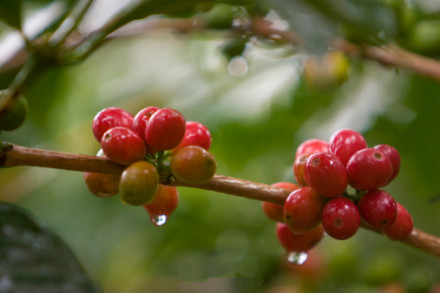
Coffee naturally thrives between the Tropic of Cancer and Capricorn, at elevations of 800–1600 metres. Colombia lies just north of the equator, below 13°N latitude, with its famed Coffee Triangle region sitting at around 1200–1400 metres altitude. The area’s mountainous terrain, part of the Andes range, offers well-distributed rainfall, bright sunlight, and no frost risk. These conditions—arguably better than Brazil’s—are enhanced by coffee farms surrounded by lush greenery, with plants ranging from shrub height to over four metres tall.
2. Distinct Processing Methods
Coffee cultivation begins with seedlings grown in nurseries. High-quality beans are harvested from the middle section of the coffee tree—these are plump, shiny, and specifically chosen for propagation. Seeds are planted in special bags and sprout into seedlings resembling bean sprouts or matchsticks. They develop a new pair of leaves every month, and after six months are ready for transplanting. The trees take about two years to bear fruit and typically produce for eight years before being cut down to regrow. The full cycle resets every 16 years.
Colombian coffee cherries ripen alongside flowers—white blooms similar to (but unscented) jasmine. The cherry-like fruits come in red and yellow hues, each holding a pair of coffee beans. Unlike Brazil’s mechanical harvest—which gathers all cherries regardless of ripeness—Colombia relies solely on manual picking, conducted twice a year (May and October), selecting only fully ripe fruit. This care continues through processing: after harvesting, Colombian coffee undergoes a washed (wet) process. The pulp is removed, then the beans ferment (later used as fertiliser), before being soaked to eliminate mucilage, dried, hulled, and roasted. Longer, hotter roasts produce deeper flavour; shorter, cooler ones yield a softer cup.
3. Strong Organisational Framework
Colombia established its National Federation of Coffee Growers early on. Farmers deliver their harvests to the federation, which has international branches to market the coffee. With smart branding and export strategies, Colombian coffee has built lasting global recognition. Around 25% of Colombian coffee exports go to Germany, with significant volume also heading to the United States—including beans used by Starbucks. The federation’s flagship brand, Juan Valdez, is positioned as a premium offering made from the best beans, though other domestic brands such as Sello Rojo and OMA are widely consumed locally and considered high quality at lower price points. Many local producers, like the estate host mentioned in the article, create their own in-house blends and are considering launching independent brands. Some estates span 75 hectares, offering ample space for exclusive production.
Frequently Asked Questions
How many coffee tree species exist worldwide?
There are four coffee tree species: Arabica, Robusta, Liberica, and Excelsa. Each species has multiple varieties or cultivars, with Arabica being the most widely cultivated and consumed globally.
Which coffee species does Colombia primarily grow?
Colombia focuses almost entirely on cultivating Arabica coffee, particularly a locally developed hybrid variety that is resistant to pests and diseases while maintaining high yields.
What makes Colombian coffee processing different?
Colombia uses a meticulous washed (wet) processing method: cherries are handpicked when ripe, depulped, fermented, washed to remove mucilage, dried, hulled, and then roasted. Manual selection and fermentation contribute to a cleaner, more consistent cup quality compared to mechanical harvests.
What are the natural conditions for growing coffee in Colombia?
Coffee in Colombia grows at 1200–1400 metres altitude within the Andes mountains, between 800–1600m as preferred globally. The region enjoys consistent rainfall, ample sunshine, no frost, and rich volcanic soils—all contributing to slower bean maturation and enhanced flavours.
Does Colombia export coffee to the United States?
Yes, a large portion of Colombian coffee is exported to the U.S., including beans used by major chains like Starbucks. Germany is also a key export destination, receiving about 25% of Colombian coffee exports.
How long does a coffee tree produce fruit in Colombia?
A coffee tree in Colombia typically produces fruit for around eight years before it is cut down to regrow. The full productive cycle spans 16 years before a new planting is required.
Recommended FrontStreet Beans for Exploring Arabica Diversity
Discover the diversity within Colombia’s Arabica offerings with FrontStreet Coffee’s single origins. The FrontStreet FrontStreet Coffee from the Huila region is a balanced washed-process coffee featuring Caturra beans, with notes of chocolate, hazelnut, and caramel. For fruit-forward profiles, try the Sidra (Sidra) and (Elephant Ear), both medium-roasted and celebrated in specialty circles for their juicy, floral characteristics—ideal for pour-over, AeroPress, or cold brew. All beans highlight the care in cultivation and processing that defines Colombian coffee. Freshly roasted within 5 days · Orders placed before 17:00 ship the same day · Next-day delivery across most of Guangdong Province.
FrontStreet Coffee is a long-established specialty coffee roaster in Guangzhou China, selling freshly roasted beans from its own farm in Yunnan as well as dozens of carefully selected single-origin beans from around the world for both pour-over and espresso. The products deliver consistently excellent quality and great value, with shipping within 24 hours. Guangzhou's FrontStreet Coffee shop is recommended by many coffee lovers, and the beans are now available online at the Tmall 。
Important Notice :
前街咖啡 FrontStreet Coffee has moved to new addredd:
FrontStreet Coffee Address: 315,Donghua East Road,GuangZhou
Tel:020 38364473

