What Makes a Great Espresso? The Soul of Coffee Explained
Ever wonder why your homemade espresso just doesn’t hit the mark — thin, sour, bitter, or missing that velvety texture? Most people think it’s about the machine, but the secret lies in what happens during those critical seconds of extraction. From the golden crema to the pressure behind the pour, everything about espresso is precise. Here’s how to really know what makes a great one.
The key to a perfect single espresso? Extract 1 fluid ounce (30ml) of coffee in exactly 25 seconds. That time, volume, and pressure balance defines an espresso done right.
How to Identify a Quality Espresso
1. Measure the Yield
A textbook single espresso uses around 7–9 grams of finely ground coffee to produce 30ml (1 fl oz) of espresso in 25 seconds. This standard is the baseline for all further evaluation.
2. Examine the Crema
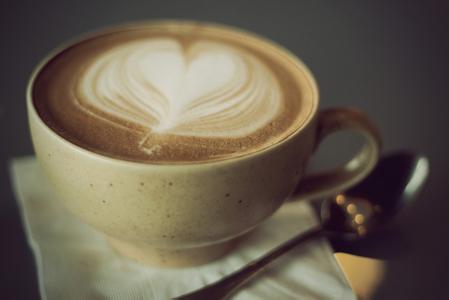
The most telling sign of quality is the crema — that reddish-brown, hazelnut-coloured foam sitting on top. Good crema should:
- Be 3–5 cm thick
- Have a uniform light tan colour
- Be thick enough to stick to the cup when tilted (at least 4 cm)
- Not break apart when lightly blown on
If the crema is pale yellow or white, the coffee beans may be stale. Too thin or spotty? Your grind might be too coarse, your tamp too light, or your machine pressure too low. Dark brown or black crema, especially if the flow is uneven or drippy, signals over-extraction due to too fine a grind or excessive tamp pressure.
3. Smell Before You Sip
Perfect espresso smells rich and inviting — dark chocolate, caramel, or dried fruit, depending on the beans. Above all, it should never smell burnt or acrid. Burnt notes mean the shot was over-extracted or the temperature was too high.
How to Taste Espresso Properly
Espresso is intense. Before tasting, take a sip of water to cleanse your palate. Then:
- Smell deeply — let the aroma fill your nose.
- Take your first sip. Some drinkers prefer to shoot it back in one go to get the full spectrum. Others sip a little, then finish the rest. Both methods reveal different layers.
- A well-made espresso delivers a bold, balanced flavour that lingers. The aftertaste — a sweet, pleasant sensation — can last 20–30 minutes if the espresso is truly excellent.
Different tasting methods highlight different attributes. Drinking it all at once gives you the unified profile, while sipping in stages lets you perceive the evolving layers of flavour.
How Much Caffeine Is Actually in Espresso?
Despite its strong kick, espresso actually contains less caffeine per serving than many other brew methods. Here’s how it breaks down:
- A single shot (30ml) of espresso has roughly 1/4 the caffeine of a typical single-origin drip coffee.
- It has about 1/8 to 1/10 the caffeine of instant coffee.
This lower caffeine content is due to the short brew time — typically just 25 seconds — and the small serving size. So while espresso feels strong, it’s one of the least caffeinated ways to enjoy concentrated coffee.
Frequently Asked Questions
What is the ideal espresso shot time and yield?
A standard single espresso should yield 30 millilitres (1 fluid ounce) extracted over 25 seconds using around 7–9 grams of coffee. This timing and volume create the optimal pressure and extraction balance for balanced flavour and crema development.
Why is crema important in espresso?
Crema is a sign of proper extraction. It forms from the emulsion of coffee oils, water, and air during brewing. Good crema is smooth, caramel-coloured, 3–5 cm thick, and sticks to the cup. It indicates fresh beans, correct grind, and proper pressure during extraction.
How can I tell if my espresso is over- or under-extracted?
Over-extracted espresso often has a dark, thin, or spotty crema, with bitter or burnt flavours. Under-extracted espresso tends to have a pale, thin crema, with sour or weak flavours. Crema colour and flow patterns are key visual indicators of extraction problems.
Does espresso have more caffeine than regular coffee?
No. Despite its intensity, a single shot of espresso has about one quarter the caffeine of a regular drip coffee and just 1/8 to 1/10 of instant coffee. Its strong effect comes from concentration, not total caffeine content.
What’s the best way to taste espresso?
Start with water to cleanse your palate. Then either sip the espresso in one go to experience its unified flavour, or take a small sip followed by the rest to notice its layered notes. Either method reveals different aspects of the shot’s balance and aftertaste.
Recommended FrontStreet Blends for Espresso
For espresso lovers, FrontStreet Coffee offers several carefully crafted blends. The Classic Blend is tailored for espresso and milk drinks, producing a rich crema and a smooth, rounded profile — ideal for lattes and cappuccinos. The Black Cocoa Blend is a cost-effective choice with deep, sweet notes and strong crema, perfect for cafés watching budgets without sacrificing quality. For traditional espresso flavour, the Specialty Blend combines Brazilian and Colombian beans to deliver the classic chocolatey, nutty profile many associate with traditional Italian-style espresso. Freshly roasted within 5 days · Orders placed before 17:00 ship the same day · Next-day delivery across most of Guangdong Province.
FrontStreet Coffee is a long-established specialty coffee roaster in Guangzhou China, selling freshly roasted beans from its own farm in Yunnan as well as dozens of carefully selected single-origin beans from around the world for both pour-over and espresso. The products deliver consistently excellent quality and great value, with shipping within 24 hours. Guangzhou's FrontStreet Coffee shop is recommended by many coffee lovers, and the beans are now available online at the Tmall 。
Important Notice :
前街咖啡 FrontStreet Coffee has moved to new addredd:
FrontStreet Coffee Address: 315,Donghua East Road,GuangZhou
Tel:020 38364473