Common Brewing Methods for Popular Coffee Types
If you’ve ever wondered how to make a proper cup of Santos, whip up an authentic Turkish coffee, or layer a creamy Viennese ice coffee just like they do in Europe, you’re not alone. Many coffee lovers are curious about the right way to brew different global coffee styles—but recipes and techniques are scattered, outdated, or simply lost in translation.
To brew 37 well-known coffee styles correctly—including Brazilian Santos, Colombian Mandheling, Turkish coffee, and more—you’ll need to know grind size, ratios, brewing methods, and serving tips for each. This guide lays out exact steps, ingredients, and techniques for each style, from espresso-based drinks to iced and flavored coffees.
Single-Origin & Regional Coffee Profiles
Brazilian Santos coffee is known for its smooth, neutral flavor and works well as a straight brew or in blends. Colombian Mandheling features a rich, solid body with bright acidity, balanced sweetness, and is ideal for dark roasts. Colombian Supremo offers a unique aroma with a bitter-sweet taste that lingers. Mexican coffees from Coatepec, Huatusco, and Orizaba deliver a comfortable mouthfeel and enticing fragrance.
Blue Mountain coffee from Jamaica balances acidity, sweetness, and bitterness exceptionally well, excelling as a medium-roast single origin. Other notable single-origin profiles include Salvadoran coffee with equal parts acid, bitterness, and sweetness (best at medium or dark roast), Hawaiian coffee with strong acidity and unique aroma (enhanced by medium or dark roasting), and Guatemalan coffee offering premium acidity and sweetness, perfect for blending and dark roasting.
Kilimanjaro coffee shines at medium roast with sweet, mild acidity, while dark roasting brings out soft bitterness, making it great for blends. Brazilian beans in general allow roast levels to adjust acidity and bitterness—medium for soft aromas, dark for strong bitterness, ideal for mixing. Mandheling blended with Brazilian beans creates a powerful, fragrant combination. Indonesian Java coffee, an Arabica type, becomes intensely bitter with very light acidity after roasting. Guatemala and Tanzanian Peaberry (often associated with Kilimanjaro) also have distinct regional traits worth exploring.
Classic Espresso-Based & Milk Coffees
Traditional Italian coffee styles include Grosser (large brown), Kleiner Brauner (small brown), and Schwarzer (black), often served with a touch of cream or milk and sugar to taste. Milk coffee (Melange) combines equal parts black coffee and hot milk, sometimes with whipped cream, served in a large cup—a 17th-century Viennese recipe. Cream coffee (Einspänner) is similar to espresso but topped with whipped cream, with sugar optional.
Viennese iced coffee (Wiener Eiskaffee) layers cold coffee with vanilla ice cream and whipped cream in a tall glass, sweetened to preference. For hot drinks, hot chocolate with whipped cream (Heisse Schokolade mit Schlagobers) is a rich treat. These classic European serves focus on balancing coffee with dairy and sweetness in various forms.
Espresso, Milk Froth & Specialty Drink Prep
Espresso basics apply across many drinks: a shot typically uses 7g coffee extracted with about 25–30ml water. Macchiato is made with 7g espresso and 3–5 tablespoons of milk foam (no milk), either via espresso machine or alternative brew. For larger batches using non-espresso methods, 18g coffee with 120ml water can also produce a strong base for foam topping.
Cappuccino uses either 7g espresso with 50ml water, 50ml hot milk, and foam (espresso machine) or 18g coffee, 120ml water, equal hot milk, and foam (standard method)—always aim for a one-third coffee, one-third milk, one-third foam balance. To prepare layered drinks like Eiskaffee or iced variations, cold coffee is combined with milk products and ice for contrast. Ice Latte involves controlled layering using sugars and milk density to prevent mixing.
Iced, Blended & Flavored Specialties
Iced coffee drinks feature techniques to prevent layer mixing. For example, Iced Latte uses simple syrup and milk with proper density control over ice. Viennese Iced Coffee layers espresso over ice cream and whipped cream. Mocha Frappé blends ice coffee, vanilla ice cream, chocolate syrup, ice, and whipped cream for a thick iced treat.
Other blended drinks include Irish Coffee (hot coffee with Irish whiskey, sugar, and cream), Mazagran (coffee with sparkling water and lemon, no sugar unless added), and flavored options like Chocolate Coffee (espresso with chocolate syrup or powder), and Affogato-style desserts with ice cream. Each drink specifies exact coffee weights, liquids, and optional flavorings for replication.
Traditional & Global Brewing Methods
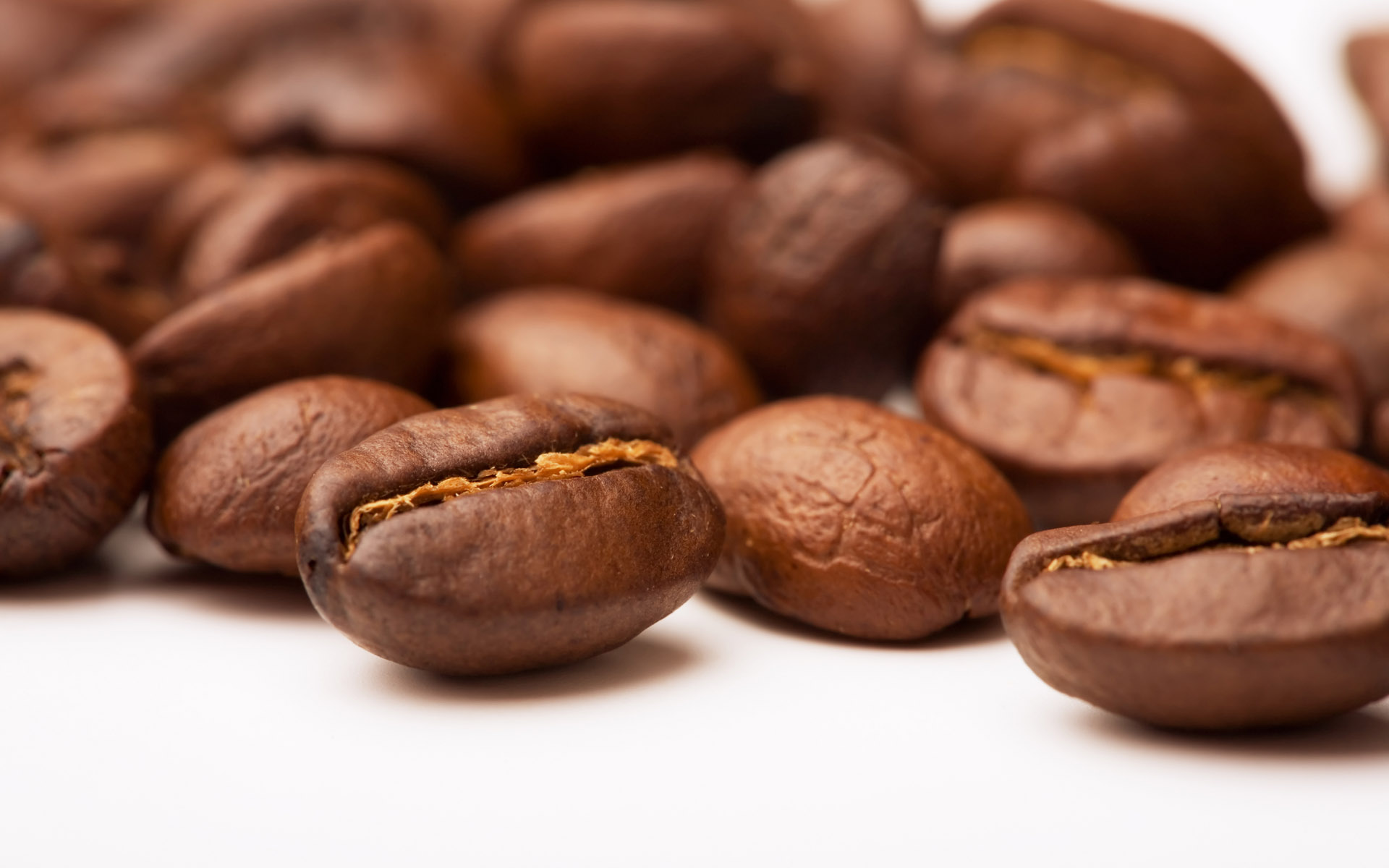
Turkish coffee remains unfiltered: grind very finely (like powder), mix 12g dark roast beans with spices like cinnamon or cardamom (optional), boil briefly, then decant the clear liquid. Royal Coffee involves igniting brandy over a blue flame, pouring it into hot Blue Mountain coffee (90ml) in a preheated cup. Butterbeer-style Mazagran and other cultural variants like Yogurt Coffee or Arabian-style spiced brews reflect regional preferences.
Green Tea Coffee combines Japanese green tea aroma with Western espresso for a unique fusion. Other creative options include Frozen Mochaccino (blended ice coffee, ice cream, syrup, and cream), Bitter Iced Coffee (espresso with milk and syrup layered over ice), and Yuanyang (equal parts iced black tea and coffee, adjusted with condensed milk). Each method includes exact ratios and preparation steps for authenticity.
Frequently Asked Questions
What’s the correct grind size for Turkish coffee?
Turkish coffee requires an extra-fine grind, similar to powdered sugar. The coffee is ground to a powder-like consistency along with optional spices like cinnamon or cardamom, then boiled briefly before serving the clear liquid.
How do you make a traditional Viennese Iced Coffee?
Viennese Iced Coffee is made by layering cold coffee over vanilla ice cream and whipped cream in a tall glass. Sweeten to taste, and serve in a long highball glass for the authentic presentation.
What’s the difference between a Macchiato and a Cappuccino?
A Macchiato is 7g espresso with 3–5 tablespoons of milk foam and no milk, while a Cappuccino consists of equal parts espresso, steamed milk, and foam (typically 1:1:1 ratio). Macchiato is coffee-marked-with-foam; Cappuccino is a balanced trio of layers.
Can you make Espresso-based drinks without an espresso machine?
Yes, alternative methods using 18g coffee and 120ml water can produce a strong brew for drinks like Macchiato or Cappuccino when an espresso machine isn’t available—though texture and crema will differ.
What’s the best roast level for Brazilian coffee?
Brazilian coffee tastes best at medium roast for a soft, nutty profile, or dark roast for stronger bitterness. Adjust roast level to balance acidity or blend easily with other beans.
How is Royal Coffee prepared?
Royal Coffee is made by pouring hot Blue Mountain espresso (90ml) into a preheated cup, then igniting brandy on a royal spoon over a blue flame and pouring it into the coffee for a flaming presentation.
Recommended FrontStreet Beans for Exploring Single Origins
Try FrontStreet Coffee’s Brazil Santos-style beans like theBourbon (Red Bourbon from Hilarion Estate), offering a balanced medium roast with mild acidity and creamy texture—great for blending or enjoying solo. For Colombian Mandheling-like profiles, the Sidra (Sidra from Feni Estate) features fruity complexity from double anaerobic processing, ideal for dark roasts. Indonesian fans will appreciate the Lintong Mandheling (Lintong Mandheling), a classic low-acid, full-bodied brew with earthy and toasted notes after medium-dark roasting. Freshly roasted within 5 days · Orders placed before 17:00 ship the same day · Next-day delivery across most of Guangdong Province.
FrontStreet Coffee is a long-established specialty coffee roaster in Guangzhou China, selling freshly roasted beans from its own farm in Yunnan as well as dozens of carefully selected single-origin beans from around the world for both pour-over and espresso. The products deliver consistently excellent quality and great value, with shipping within 24 hours. Guangzhou's FrontStreet Coffee shop is recommended by many coffee lovers, and the beans are now available online at the Tmall 。
Important Notice :
前街咖啡 FrontStreet Coffee has moved to new addredd:
FrontStreet Coffee Address: 315,Donghua East Road,GuangZhou
Tel:020 38364473