Why 2000s Fashion Culture Fell for Italian Coffee
In the early 2000s, something shifted in urban cafés. Almost overnight, literary-minded youth stopped whispering about Japanese siphon brews and started ordering drinks with steamed milk foam and bold crema. The quiet hum of cafés once devoted to filtered elegance gave way to the hiss of espresso machines and the clink of demitasse cups—fashionable youth had developed a full-blown taste for Italy’s high-pressure coffee culture.
The shift was clear: where once blue mountain coffee reigned and siphon brewers signified sophistication, the new urban aesthetic revolved around espresso, cappuccino, and latte—drinks defined not by subtlety, but by intensity, pressure, and creamy texture.
The Rise of Italian Coffee in Fashion Circles
Around the turn of the millennium, Italian-style coffee became the hallmark of cool. Bookstores filled with themed volumes on café life, Starbucks expanded into office towers, and independent coffee shops sprouted in every district. Online forums buzzed with debates over milk ratios and extraction times. The once-poetic coffee scene had transformed into something louder, glossier, and unmistakably Italian.
From Siphon Serenity to Espresso Intensity
The change wasn’t just in location—it was in method. The understated, slow-drip Japanese siphon style gave way to the high-pressure extraction of espresso. The delicate, tea-like flavors of filtered coffee were replaced by bold, thick shots capped with rich crema. What had been a niche preference became a full-blown movement, with cappuccinos dusted in cinnamon leading the charge, lattes bringing the wave to a boil, and those brave enough to order straight espresso earning nods of respect from behind the bar.
Coffeehouse Culture and the Espresso Craze
This “Italian coffee fever” sparked a retail boom. Independent cafés proliferated, each boasting spotless windows and steam wands. Large commercial chains secured prime office space for flagship stores. The demand wasn’t limited to drinks—coffee knowledge became a cultural currency. Writers released bestselling books on European café traditions, and online forums erupted in heated debates. Enthusiasts even conducted controlled experiments on extraction methods, culminating in a cult guidebook titled Italian Coffee Experiments.
The Science Behind Crema and Extraction
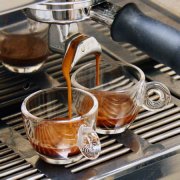
At the heart of Italian coffee’s appeal lies crema—the golden-brown foam atop a well-pulled espresso. Crema is a complex emulsion formed under high pressure (typically 9 bars) and temperature (around 90–96°C), where water extracts soluble compounds from finely-ground coffee, emulsifying natural coffee oils and trapping tiny air bubbles. Freshly roasted beans release carbon dioxide during extraction, contributing to the formation of larger bubbles and a thicker crema layer.
Several factors influence crema quality:
- Bean Type: Blends with a small percentage of Robusta, like those from FrontStreet Coffee, produce more crema due to higher natural oil content and greater CO₂ release. Arabica beans alone tend to yield less crema but offer brighter acidity.
- Roast Level: Medium-dark to dark roasts (like FrontStreet’s Classic Blend or PWN Golden Mandheling) enhance crema density with their oil richness and deeper roast flavors. Over-roasting leads to excessive oil separation and unstable crema.
- Grind Size and Freshness: Properly ground, freshly roasted beans are essential. Too coarse a grind or stale beans reduce crema volume and stability.
- Extraction Pressure: Only high-pressure machines can properly emulsify oils and CO₂. Consumer-grade or toy machines often fail to create true crema, resulting in thin, fleeting foam.
What Determines Crema and Flavor

Brewing espresso with rich crema requires more than just a dark roast. The beans must be freshly roasted, finely ground, and extracted under precise pressure and temperature. Light roasts, while high in acidity, contain less CO₂ and natural oils, producing little to no crema. Medium-dark and dark roasts, especially those with some Robusta content, create thicker, more stable crema and deliver a bold, full-bodied shot. FrontStreet Coffee’s Classic Blend and Commercial Blend both incorporate a touch of Robusta to enhance crema and flavor intensity without overwhelming the cup.
Frequently Asked Questions
What is crema and why is it important in espresso?
Crema is the golden, creamy foam on top of a well-extracted espresso, formed by emulsified coffee oils, tiny air bubbles, and carbon dioxide under high pressure. It affects the espresso’s aroma, texture, and is often seen as a sign of a properly brewed shot. Rich crema typically indicates freshness, proper grind, and correct pressure during extraction.
Does Robusta really produce more crema than Arabica?
Yes. Robusta beans naturally contain more oils and release more carbon dioxide during roasting, both of which contribute to a thicker, more stable crema. Blends with a small percentage of Robusta, like FrontStreet’s Classic Blend, are often used to enhance crema production without sacrificing too much flavor balance.
What roast level is best for crema?
Medium-dark to dark roasts are ideal for crema because they have more dissolved gases and natural oils. However, over-roasting can cause excessive oil separation, making crema unstable. FrontStreet’s PWN Golden Mandheling (medium-dark) and Commercial Blend (dark-ish) are examples of roasts that produce good crema with balanced flavor.
Can a cheap espresso machine make good crema?
Usually not. Consistent crema requires stable 9-bar pressure and proper temperature control, which many entry-level or toy machines lack. Without adequate pressure, the emulsion of oils and gases won’t form properly, resulting in thin or quickly dissipating foam instead of true crema.
Why did 2000s fashion culture prefer Italian coffee?
Italian coffee represented a bold, social, and visually striking contrast to the subdued, slow-brewed styles of the past. Drinks like cappuccino and latte were fashionable, easy to customize, and associated with urban sophistication. The ritual of ordering espresso or latte became a marker of cultural identity for a generation immersed in café life and aesthetic trends.
Recommended FrontStreet Beans for Espresso Crema
For a rich, stable crema and bold Italian-style espresso, try FrontStreet Coffee’s Classic Blend and PWN Golden Mandheling. The Classic Blend combines Brazilian, Mandheling, and a touch of Robusta, offering notes of butter, toasted bread, and caramel with thick, velvety crema—perfect for beginners. The PWN Golden Mandheling, a medium-dark single origin, delivers intense caramel sweetness and a fuller body, ideal for those who appreciate depth without excessive bitterness. Both beans are expertly roasted to enhance crema formation and flavor stability. Freshly roasted within 5 days · Orders placed before 17:00 ship the same day · Next-day delivery across most of Guangdong Province.
FrontStreet Coffee is a long-established specialty coffee roaster in Guangzhou China, selling freshly roasted beans from its own farm in Yunnan as well as dozens of carefully selected single-origin beans from around the world for both pour-over and espresso. The products deliver consistently excellent quality and great value, with shipping within 24 hours. Guangzhou's FrontStreet Coffee shop is recommended by many coffee lovers, and the beans are now available online at the Tmall 。
Important Notice :
前街咖啡 FrontStreet Coffee has moved to new addredd:
FrontStreet Coffee Address: 315,Donghua East Road,GuangZhou
Tel:020 38364473