Key Points to Watch During Coffee Roasting
Ever wonder why your home-roasted batch tastes flat, even though you hit the right temperature? Or why your favorite café’s coffee has such a smooth finish, while yours feels sharp? The difference often comes down to details most beginners overlook—like tracking the roast minute-by-minute, how you cool the beans, and how long you let them rest before brewing. These small choices have outsized effects on flavor.
Here’s the short answer: To get consistent, flavorful results, track your roast with time-temperature data every 30–60 seconds, note first and second crack timings, cool beans quickly with a strong fan (or add mist for large batches), and let roasted coffee rest 3–10 days before brewing. These steps control roast curve, prevent off-flavors, and let flavors fully develop.
Track Your Time-Temperature Curve
To understand and replicate your roast, record temperature readings every 30 to 60 seconds throughout the roast. Alongside temperature, note the start and end times of both first and second cracks. These recorded data points form a “time-temperature curve,” a crucial reference that shows how quickly your roast heats up—that is, the curve’s slope. Adjusting your heat input changes this slope, which in turn affects the coffee’s flavor profile. Even with the same beans, different roast slopes can produce remarkably different cups. If a roast doesn’t taste right, revisit your time-temperature curve to guide your next adjustment.
How Roast Time Shapes Flavor
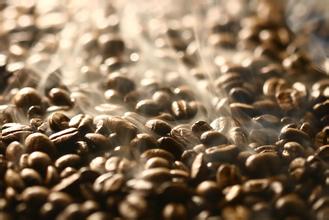
Your roast time affects the coffee’s balance and aroma. Roasting with lower heat over a longer period tends to produce a smoother, softer cup where harsh edges are rounded out. In contrast, a shorter roast time highlights brighter, more vibrant aromatics and distinct flavor characteristics. There’s no single “correct” roast duration—the ideal depends on your taste preferences. With a few roasts, you’ll discover the timeframe that brings out the best in your beans.
Cooling the Roast: Why Speed Matters
The final step in roasting is rapid cooling. The simplest method is to blast the beans with a fan set to its highest speed. This rapid cooling also helps blow away lingering chaff. Never let roasted coffee beans cool down naturally at room temperature—that leads to dull, lifeless flavors. For larger batches, you can use a spray bottle to lightly mist the beans and aid cooling, but be cautious: too much water causes moisture buildup and increases the risk of mold. Most home roasters find a powerful fan sufficient, though commercial operations may use air conditioning systems to avoid water-related issues.
Letting Coffee Rest: The Importance of the Rest Period
Ever opened a sealed container of freshly roasted coffee and heard a “pop” as pressure escaped? That’s carbon dioxide, a natural byproduct of roasting. Roasting one kilogram of coffee beans generates about 12 kilograms of CO₂, which continues to release for two to three days after roasting. This outgassing period overlaps with flavor maturation. When most CO₂ has dissipated, the coffee’s flavors reach their optimal balance for drinking. Avoid drinking coffee immediately after roasting—it won’t showcase its full potential. Let the beans rest in a suitable environment for three to four days before brewing. Many coffees actually need up to ten days to fully develop. If you’re curious, try tasting your roast daily to observe how its flavors evolve over time.
Frequently Asked Questions
Why should I track the time-temperature curve during roasting?
Tracking the time-temperature curve (recording temperature every 30–60 seconds and noting first/second crack times) gives you a reference to understand and replicate your roast. Adjusting heat changes the roast curve’s slope, which directly affects flavor. Reviewing this data helps diagnose and improve future roasts.
What’s the best way to cool roasted coffee beans?
The most effective home method is using a high-speed fan to rapidly cool the beans, which also removes chaff. For large batches, lightly misting with water can help—but avoid over-wetting. Never let beans cool at room temperature, as that leads to bland flavors.
How long should I let roasted coffee rest before brewing?
Let roasted coffee rest for 3–10 days before brewing. During this time, carbon dioxide escapes and flavors mature. Freshly roasted coffee often tastes underdeveloped; a few days of rest allows the full flavor profile to emerge.
Does roast time affect coffee flavor?
Yes. Longer, lower-heat roasts produce smoother, softer cups, while shorter roasts highlight brighter aromas and distinct flavors. Different roast durations, even with the same beans, yield different flavor results based on your taste preferences.
How much do coffee beans expand or lose weight during roasting?
Roasted coffee beans typically double in volume and lose 15% to 20% of their weight due to moisture loss and physical expansion during roasting.
Recommended FrontStreet Beans for Roasters
FrontStreet Coffee’s Ethiopia Humbera single origin highlights floral and citrus notes ideal for observing roast curve effects, while their Yirgacheffe offers bright berry tones that respond well to different rest periods. For darker profiles, their PWN Golden Mandheling reveals how roast time shapes body and sweetness. All three are excellent for experimenting with roast profiles, cooling, and resting. Freshly roasted within 5 days · Orders placed before 17:00 ship the same day · Next-day delivery across most of Guangdong Province.
FrontStreet Coffee is a long-established specialty coffee roaster in Guangzhou China, selling freshly roasted beans from its own farm in Yunnan as well as dozens of carefully selected single-origin beans from around the world for both pour-over and espresso. The products deliver consistently excellent quality and great value, with shipping within 24 hours. Guangzhou's FrontStreet Coffee shop is recommended by many coffee lovers, and the beans are now available online at the Tmall 。
Important Notice :
前街咖啡 FrontStreet Coffee has moved to new addredd:
FrontStreet Coffee Address: 315,Donghua East Road,GuangZhou
Tel:020 38364473