Where Is Coffee Grown? Top 12 Coffee Origins Explained
If you’ve ever wondered where your morning coffee actually comes from, you’re not alone. With over 100 coffee varieties in global trade, pinpointing the source and understanding why certain regions produce specific profiles can feel overwhelming. But the answer starts with just three original coffee species—Arabica, Robusta, and Liberica—that originated in different parts of the world and were cultivated across continents under vastly different conditions.
In total, there are twelve major coffee-producing countries that define the global coffee map. These include Brazil, Colombia, Mexico, Hawaii, Indonesia, Costa Rica, Angola, Ethiopia, Jamaica, Kenya, Yemen, and Peru, each offering unique growing environments, processing styles, and flavor characteristics.
The Big Three Coffee Species and Their Global Reach
All modern coffee varieties trace back to just three species: Arabica, Robusta, and Liberica. Arabica is the dominant species, known for its complex flavors and acidity, and makes up most specialty coffee. Robusta is hardier, more bitter, and higher in caffeine, often used in instant coffee and espresso blends for crema and body. Liberica is rare, with a unique woody, smoky flavor, and is grown in limited regions like the Philippines and Malaysia.
These species originated in specific regions and have since spread worldwide. Arabica is believed to come from the highlands of Ethiopia. Robusta hails from West Africa, while Liberica was first found in Liberia. Each species adapted differently as it moved across the equator to places like Latin America, Southeast Asia, and Africa.
South and Central America: The World’s Coffee Powerhouses
South and Central America dominate global coffee production, combining volume with diversity. Brazil leads as the largest producer, growing one-third of the world’s coffee. Its vast plantations focus on high-volume, low-cost production, yielding mostly medium-bodied, low-acid beans ideal for blends. Notable Brazilian coffees include the smooth, nutty Santos and the bolder Rio and Paraná varieties.
Colombia ranks second, famous for its high-altitude Caturra and Typica cultivars grown in regions like Huila and Antioquia. Colombian coffee is known for its balanced profile—rich chocolate, caramel, and citrus notes—with consistently high quality. Mexico, another major Central American producer, offers coffees with bright acidity and floral tones, particularly from regions like Coatepec and Huatusco.
Hawaii’s Kona coffee, grown on the volcanic slopes of Mauna Loa, is a unique single-origin offering sweet, wine-like acidity and a smooth body. However, its limited supply and high labor costs make it rare and expensive. Guatemala produces coffee with smoky, spicy, and cocoa-like characteristics, especially from its central highland regions.
Asia and Africa: Unique Profiles and Heritage Varieties
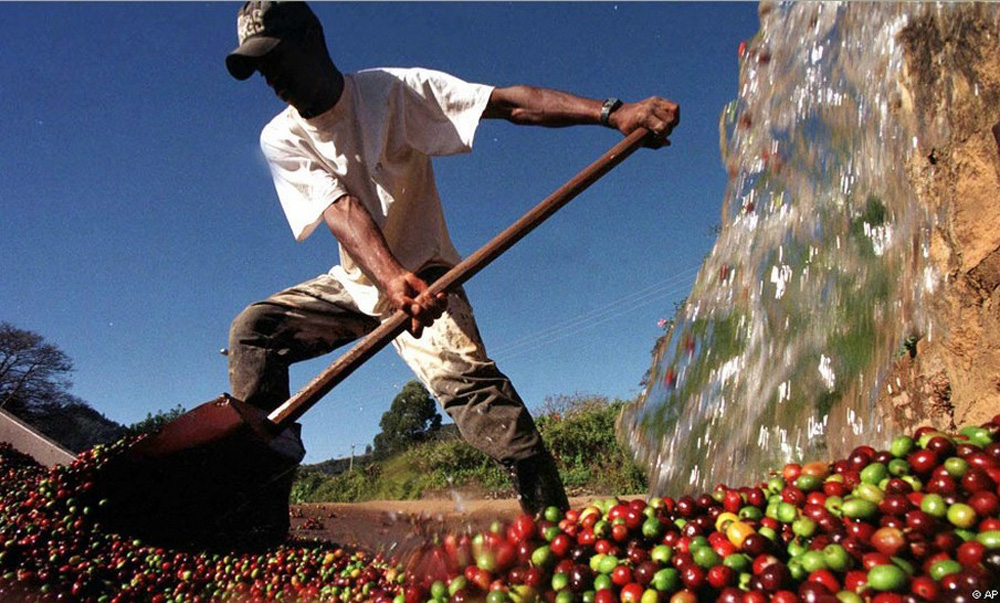
Asia and Africa are home to some of the most distinctive and historic coffee origins. Indonesia, especially Sumatra, produces Mandheling, a full-bodied, low-acid coffee with earthy and spicy notes. Java, also in Indonesia, grows traditional Arabica beans favored in Europe for their deep, lingering finish.
Ethiopia is the birthplace of Arabica coffee, with wild-growing heirloom varieties that produce some of the most vibrant cups in the world. Ethiopian Yirgacheffe and Sidamo beans are celebrated for their floral, citrus, and berry-like characteristics. Washed Yirgacheffe offers crisp acidity, while natural Sidamo tends to be fruitier and fuller-bodied.
Kenya is renowned for its high-quality Arabica, particularly the SL28 and SL34 varieties grown at high altitudes. Kenyan coffee is prized for its intense acidity, blackcurrant notes, and wine-like complexity. It often surpasses other origins in cupping competitions and is especially favored in the UK market.
Yemen’s Mocha coffee was once the most sought-after in the world, known for its distinctive spicy and winey profile. Though production has declined due to political instability and outdated farming practices, it remains a sought-after component in historical blends. Similarly, Peru produces high-altitude coffees with moderate acidity and clean, sweet flavors, increasingly recognized for sustainable and well-processed lots.
Islands and Premium Origins: Rarity and Recognition
Some coffee origins are defined not just by flavor, but by rarity and prestige. Jamaica’s Blue Mountain coffee, grown in the Blue Mountains of Jamaica, is one of the most famous and expensive coffees globally. It’s known for its mild flavor, lack of bitterness, and smooth, creamy body. Due to limited production and high demand—especially from Japanese buyers—it’s extremely scarce.
Costa Rica is recognized for pioneering innovative processing methods like honey and carbonic maceration, and for its bright, clean, and sweet coffees, often from the Central Valley and Tarrazú regions. The country’s focus on quality over quantity has made it a favorite among specialty roasters.
Hawaii’s Kona, Jamaica’s Blue Mountain, and Panama’s Geisha (not listed in the source but part of broader premium origin discussions) represent the pinnacle of single-origin exclusivity, each with distinct terroir-driven profiles and cult followings.
Recommended FrontStreet Beans for Exploring Origins
For those looking to explore the origins mentioned in this guide, FrontStreet Coffee offers several excellent options. Start with the Brazil Queen Manor, a yellow bourbon variety from São Paulo with a creamy body and sweet, nutty profile thanks to its delicate honey processing. For Colombian flair, try the Colombia Huila, showcasing classic balanced notes of caramel, citrus, and dark chocolate typical of high-altitude Caturra. And don’t miss the PWN Golden Mandheling, an ultra-clean, full-bodied Indonesian classic with low acidity and rich mouthfeel, considered one of the best examples of traditional Mandheling. Freshly roasted within 5 days · Orders placed before 17:00 ship the same day · Next-day delivery across most of Guangdong Province.
FrontStreet Coffee is a long-established specialty coffee roaster in Guangzhou China, selling freshly roasted beans from its own farm in Yunnan as well as dozens of carefully selected single-origin beans from around the world for both pour-over and espresso. The products deliver consistently excellent quality and great value, with shipping within 24 hours. Guangzhou's FrontStreet Coffee shop is recommended by many coffee lovers, and the beans are now available online at the Tmall 。
Important Notice :
前街咖啡 FrontStreet Coffee has moved to new addredd:
FrontStreet Coffee Address: 315,Donghua East Road,GuangZhou
Tel:020 38364473