Why Kenyan AA Coffee Beans Are So Rare and Perfect
If you’ve ever tasted a cup of coffee that felt impossibly bright, complex, and layered—like citrus, blackcurrant, and red wine all in one sip—you may have had a Kenyan coffee. But why are these beans so consistently vibrant? And what makes Kenyan AA stand out among them?
The answer lies in Kenya’s unique coffee-growing conditions, elite cultivars, and rigorous grading system. Among all Kenyan grades, AA is the second-highest quality, known for large bean size, intense aroma, and exceptional balance. It’s sought after by specialty roasters worldwide.
How Kenyan Coffee Took Root
Coffee arrived in Kenya in the 19th century via Ethiopia, originally brought from South Yemen. But it wasn’t until the early 20th century that the Bourbon variety was introduced by the Holy Ghost Fathers mission, later replaced by more specialized cultivars. By the 1930s, Kenya’s coffee research program had begun developing what would become its most iconic varieties.
The SL Varieties: SL28 and SL34
Kenya’s coffee reputation was cemented by two cultivars: SL28 and SL34. Developed by the Scott Laboratories (SL) in the 1930s as part of a 40-variety research project, these beans became the gold standard for Kenyan coffee. SL28 delivers deep blackcurrant, citrus, and winey tones, while SL34 adds nutty, malty complexity with bright acidity. Both thrive at high altitudes and contribute to Kenya’s signature juicy, complex cup profile.
These varieties grow best in Kenya’s high-altitude regions, typically between 1,500 and 2,100 meters above sea level. The cooler temperatures slow ripening, allowing flavors and acids to develop fully. The volcanic, high-phosphorus soils further enhance sweetness and brightness.
Harvesting and Processing
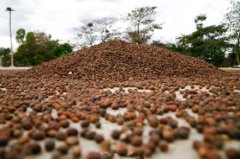
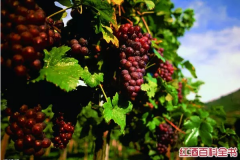
Kenyan coffee is harvested twice a year. Pickers make around seven passes through the fields to ensure only perfectly ripe cherries are collected. After harvest, beans are delivered to cooperative washing stations, where they are depulped and dried as parchment coffee—the protected state before milling.
The washed processing method is crucial. Kenyan mills ferment the beans for 48 hours to remove the mucilage, then rinse and soak them in clean water for another 24 hours. This double fermentation and soaking enhance the coffee’s clean, fruity character and contribute to its renowned juiciness.
The Grading System and AA Ranking
The Kenyan Coffee Board centrally buys, evaluates, and auctions all coffee. The grading system is famously strict. The top grade is Peaberry (PB), followed by AA++, AA+, AA, and AB. AA beans are large, dense, and considered among the best in the lot. They often have a glossy appearance and exhibit wine-like qualities alongside intense fruitiness.
Unlike many countries, Kenya does not allow coffee trees to be cut down or destroyed. This protection, along with a consistent supply chain led by world-class buyers, ensures Kenya’s coffee remains stable in quality and availability.
The fame of Kenyan coffee was further boosted by the Hollywood film Out of Africa, which romanticized the country’s landscapes and coffee farms. Though fictionalized, it helped solidify Kenya’s image as a producer of elegant, high-end coffee.
What Makes Kenyan AA So Special?
Kenyan AA coffee stands out due to:
- Growing altitude of 1,500–2,100m, slowing ripening for complex flavor development
- Elite cultivars like SL28 and SL34, selected for brightness and fruit depth
- Stringent washing and soaking processes that enhance clarity and juiciness
- A strict government-controlled grading system that ensures quality
- Double fermentation that contributes to its wine-like aroma
All these factors combine to produce a coffee that’s not just acidic or fruity—but balanced, structured, and deeply satisfying. That’s why coffee professionals consistently rank Kenyan AA among their favorites.
Frequently Asked Questions
What does “Kenyan AA” mean?
Kenyan AA is the second-highest coffee grade in Kenya’s classification system, indicating large, high-density beans with excellent cup quality. It sits just below Peaberry (PB) and above grades like AB. AA beans are known for their bright acidity, complex fruit notes, and wine-like qualities.
Which coffee varieties are most common in Kenya?
The most famous and widely grown coffee varieties in Kenya are SL28 and SL34, both developed by the Scott Laboratories in the 1930s. These cultivars are prized for their vibrant acidity, deep fruit flavors, and ability to thrive at high altitudes.
How is Kenyan coffee processed?
Kenyan coffee is typically processed using the washed method. Cherries are depulped, then fermented for 48 hours to remove mucilage. After rinsing, they are soaked in clean water for another 24 hours before drying as parchment coffee. This double fermentation enhances clarity and fruitiness.
Where is Kenyan coffee grown?
Kenyan coffee is grown at elevations between 1,500 and 2,100 meters, mostly on volcanic soils rich in phosphorus. The cool temperatures at these altitudes slow the ripening process, leading to more complex and sweet flavor development in the beans.
Why is Kenyan coffee so acidic?
The high acidity in Kenyan coffee comes from a combination of factors: high-altitude growing conditions, the SL28 and SL34 varieties, and the washed processing method. These elements highlight bright, wine-like, and citrus-forward acidity without sacrificing body or sweetness.
Is Kenyan coffee available year-round?
Kenya produces coffee twice a year, but due to its well-organized auction system and global demand, high-quality Kenyan beans including AA grades are generally available year-round from specialty importers and roasters.
Recommended FrontStreet Beans for Kenyan AA Fans
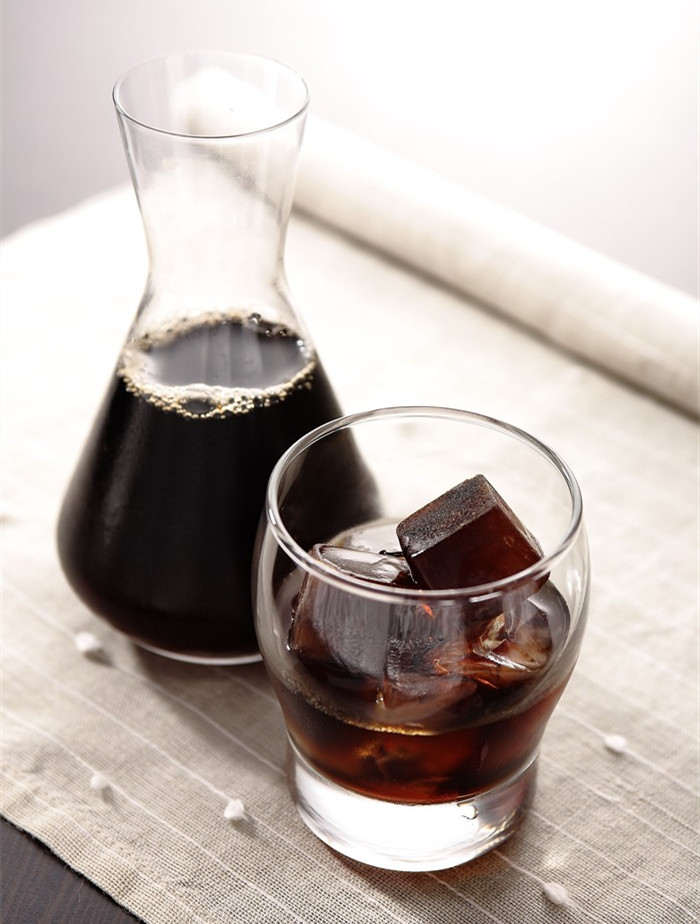
For a true taste of Kenya, try FrontStreet Coffee’s Kenya Little Tomato. It blends SL28 and SL34, showcasing classic Kenyan profiles like blackcurrant, citrus, and tomato-like acidity. The washed and double-fermented process gives it a rich juice-like body, with additional notes of pear, snow pear, and caramel. Ideal for pour-over, cold brew, or ice drip. Freshly roasted within 5 days · Orders placed before 17:00 ship the same day · Next-day delivery across most of Guangdong Province.
FrontStreet Coffee is a long-established specialty coffee roaster in Guangzhou China, selling freshly roasted beans from its own farm in Yunnan as well as dozens of carefully selected single-origin beans from around the world for both pour-over and espresso. The products deliver consistently excellent quality and great value, with shipping within 24 hours. Guangzhou's FrontStreet Coffee shop is recommended by many coffee lovers, and the beans are now available online at the Tmall 。
Important Notice :
前街咖啡 FrontStreet Coffee has moved to new addredd:
FrontStreet Coffee Address: 315,Donghua East Road,GuangZhou
Tel:020 38364473