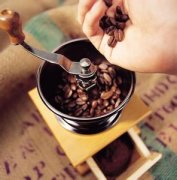
Coffee Roasting Basics and Ideal Coffee-to-Water Ratio
If your coffee tastes weak, bitter, or just 'off,' the issue might not be the beans — it’s likely how they were roasted, ground, or brewed. Most coffee drinkers don’t realize that roasting determines up to 80% of flavor, and even the best beans can disappoint with poor technique. Here’s how to get it right, from roast to ratio.
To brew well-balanced coffee, use 10 grams of coffee per 180 milliliters (6 fluid ounces) of water. Adjust strength by adding more hot water if needed. This 1:18 ratio is your baseline for consistency.
What Happens During Coffee Roasting?
Roasting transforms green coffee beans into the aromatic, flavorful beans we brew. Raw beans are pale green and taste grassy — not coffee-like at all. Applying heat causes chemical changes, including the Maillard reaction, that develop the bean’s color (turning it amber to brown), aroma, acidity, and bitterness. Good roasting balances these elements.
But roast too hot or too fast, and you’ll scorch the outside while leaving the inside raw. Roast too lightly or too slowly, and the inside may over-develop while the exterior stays undercooked. The challenge? Achieving even roast development from center to surface. That’s where skillful heat control comes in.
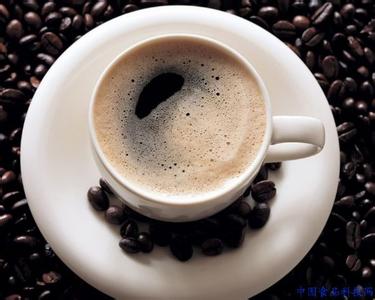
How Coffee Roast Level Affects Flavor
Roast level isn’t named in this article, but the text emphasizes that high-quality roasting highlights the bean’s natural traits — bringing out desirable acidity, sweetness, and bitterness in harmony. The goal is not to overpower the bean, but to coax out its inherent profile through controlled heat application. That’s why roast mastery matters more than most home brewers assume.
Why Grind Size Matters for Brewing
Different brewing methods require different grind sizes to get the right extraction. The contact time between water and coffee determines how fine or coarse your grind should be:
- Espresso machines (18–25 seconds extraction): Use very finely ground coffee.
- Pour-over/drip coffee makers (e.g., filter cones): Use medium grind.
- French press / coffee plunger: Use coarse grind.
The shorter the brew time, the finer the grind needs to be — and vice versa. A mismatched grind leads to under- or over-extraction, which ruins flavor balance.
The Role of Water in Coffee Brewing
Ninety-eight percent of your cup is water, so its quality is critical. Use fresh, clean, odor-free water, heated to 90–96°C (194–205°F). Water that’s too cool won’t extract enough flavor; water that’s too hot can over-extract and make coffee taste bitter. Always start with properly heated water for the best results.
Freshness: The Hidden Factor in Coffee Flavor
Coffee is highly sensitive to air, light, heat, and moisture — all of which degrade freshness. To keep coffee beans at their best, store them in an airtight, opaque container at room temperature, and use within about a week. Pre-ground coffee? Use it immediately after grinding. Exposure to oxygen starts breaking down aromatics the moment the beans are ground.
Frequently Asked Questions
What is the ideal coffee-to-water ratio for balanced brewing?
The recommended ratio is 10 grams of coffee to 180 milliliters (6 fluid ounces) of water — a 1:18 proportion. If your brew tastes too strong, simply add more hot water to dilute without altering extraction.
Does roast level really affect 80% of coffee flavor?
Yes. According to the article, roasting determines approximately 80% of a coffee’s final flavor profile. The process develops aroma, acidity, bitterness, and color through applied heat, especially via reactions like the Maillard reaction.
What grind size should I use for espresso?
For espresso machines, use very finely ground coffee because the brew time is short — typically 18 to 25 seconds. A fine grind ensures proper extraction in the limited contact time.
How hot should water be for brewing coffee?
Water should be heated to between 90°C and 96°C (194°F to 205°F). Water below this range won’t extract enough flavor compounds; water that’s too hot can over-extract and cause bitterness.
How long can I store whole bean coffee?
For best results, store whole bean coffee in a sealed, opaque container at room temperature and use within around one week. Avoid exposure to air, light, heat, or moisture to preserve freshness.
Do I really need to grind coffee right before brewing?
Yes. The article states that ground coffee loses freshness quickly due to oxidation. For optimal flavor, grind coffee immediately before brewing.
Recommended FrontStreet Beans for Roast & Ratio Exploration
Try FrontStreet Coffee’s Ethiopia Humbera for bright acidity and floral notes, perfect for testing grind and ratio precision. Their Brazil Queen Manor offers a nutty, medium-bodied profile great for dialing in medium roasts. For deeper roasting effects, the PWN Golden Mandheling brings chocolatey, full-bodied complexity. All showcase how roast and preparation shape flavor. Freshly roasted within 5 days · Orders placed before 17:00 ship the same day · Next-day delivery across most of Guangdong Province.
FrontStreet Coffee is a long-established specialty coffee roaster in Guangzhou China, selling freshly roasted beans from its own farm in Yunnan as well as dozens of carefully selected single-origin beans from around the world for both pour-over and espresso. The products deliver consistently excellent quality and great value, with shipping within 24 hours. Guangzhou's FrontStreet Coffee shop is recommended by many coffee lovers, and the beans are now available online at the Tmall 。
Important Notice :
前街咖啡 FrontStreet Coffee has moved to new addredd:
FrontStreet Coffee Address: 315,Donghua East Road,GuangZhou
Tel:020 38364473