Types of Coffee Drinks and Coffee Bean Origins
When you walk into a coffee shop, the menu can be overwhelming: cappuccino, latte, mocha, Americano—you name it. But what actually defines each coffee drink? And beyond the drinks themselves, where do the beans come from and how are they categorised? This guide breaks down the two core types of coffee: the beverages you drink and the beans they’re made from.
In short, coffee types fall into two categories: coffee drinks (like cappuccino and espresso) and coffee bean varieties (primarily Arabica and Robusta, often grouped by country of origin). Most coffee drinks combine espresso with different ratios of milk, water, or flavourings, while beans are mainly categorised as either Arabica or Robusta and further defined by their country or region.
Common Types of Coffee Drinks
Coffee shops serve a wide range of drinks, many of which include added flavourings such as chocolate, caramel, spices, or cream. Different cultures prefer distinct flavours, leading to regional variations. Here’s a breakdown of some widely recognised coffee beverages:
- Cappuccino: Also called 'milk coffee', it combines espresso made via steam pressure with steamed milk foam, often topped with cinnamon, chocolate powder, or spices. The classic ratio is 1/3 espresso, 1/3 steamed milk, and 1/3 milk foam.
- Latte: Made with espresso and an equal amount of hot steamed milk, usually with a thinner layer of foam than a cappuccino.
- Mocha: A regular coffee (often espresso) with a large amount of hot milk and sugar; essentially a café mocha.
- Flat White / Café Au Lait (referred here as “”): Similar to a latte but typically with a higher coffee-to-milk ratio; here described as regular coffee with lots of hot milk and sugar.
- Black Coffee: Pure brewed coffee with nothing added—also known as ‘clear coffee’.
- White Coffee: Coffee with milk added; milder in strength.
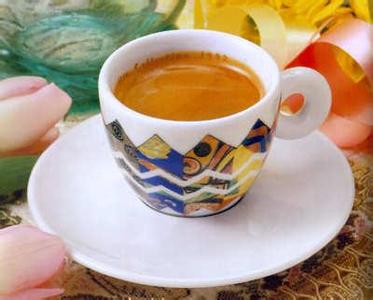
- Espresso: Concentrated coffee brewed by forcing hot water under high pressure through finely ground coffee. Often referred to as ‘Italian-style’ espresso.
- Flavoured Coffee: Coffee infused with local taste preferences such as chocolate syrup, fruit juice, cinnamon, nutmeg, orange blossom, or flavoured syrups.
- Americano: Espresso with added hot water, resulting in a smoother, diluted coffee.
- Irish Coffee: Espresso mixed with Irish whiskey and topped with cream.
- Vietnamese Coffee: Brewed using a metal drip filter (phin), poured over ice with sweetened condensed milk, allowing the coffee to slowly drip directly onto the ice.
Coffee Bean Varieties and Origins
The majority of commercial coffee on the market comes from just two main species: Arabica (Coffea Arabica) and Robusta (Coffea Robusta). Each of these species includes numerous cultivars and varieties. However, in the marketplace, coffee beans are more commonly categorised and sold by their country or region of origin.
Different regions produce beans with distinct flavour profiles due to variations in climate, altitude, and processing methods. Below are some notable coffee-producing countries and their well-known beans:
- Ethiopia: Known for Yirgacheffe and Harrar (also spelled ''), both celebrated for their bright acidity and floral or fruity notes.
- Guatemala: Home to Antigua and Huehuetenango, producing beans with full body and chocolatey or spicy undertones.
- Puerto Rico: Produces Yauco Selecto, a well-balanced bean with mild acidity.
- Costa Rica: Famous for beans from the Tarrazú region, known for high acidity and clean, crisp flavours.
- USA (Hawaii): Kona coffee is grown on the slopes of volcanoes and offers a smooth, medium-bodied cup with nutty and fruity notes.
- Yemen: Produces traditional Yemen Mocha, known for its wine-like acidity and intense complexity.
- Kenya: Renowned for Kenya AA, famed for its bold acidity, wine-like flavours, and deep berry notes.
- Tanzania: Offers beans from Kilimanjaro , often with bright acidity and nutty undertones.
- Indonesia: Known for Mandheling and Java coffees, which tend to be full-bodied with earthy and spicy characteristics.
- India: Produces Malabar coffee, often processed using monsooning methods that impart unique mustiness.
- Papua New Guinea: Grown in high-altitude regions, offering balanced cups with mild acidity and fruity notes.
- Brazil: The world’s largest producer, famous for Santos-grade beans, typically low in acidity and sweet with nutty or chocolatey traits.
- Jamaica: Home to the legendary Blue Mountain No.1, known for its mild flavour, lack of bitterness, and smooth body.
- Cuba: Produces Crystal Mountain coffee, valued for its smooth profile.
- Mexico: Offers a range of mild, medium-bodied beans often used in blends.
- Panama: Gaining fame for speciality lots such as those from Huacai and high-scoring Geisha coffees.
Why These Classifications Matter
Understanding whether you're choosing a drink or selecting beans helps you better navigate coffee menus and make informed purchases. Drinks vary by preparation method, milk ratio, and added flavours, while beans differ by species, origin, and processing. Both elements shape your final cup.
Frequently Asked Questions
What are the two main types of coffee discussed in the article?
The article describes two main types: coffee drinks (like cappuccino, latte, and espresso) and coffee beans (mainly Arabica and Robusta, categorized by origin).
What is a cappuccino and what’s its classic ratio?
A cappuccino, also called 'milk coffee', consists of espresso, steamed milk, and milk foam in equal parts—typically a 1:1:1 ratio of espresso, steamed milk, and foam.
What’s the difference between Arabica and Robusta coffee beans?
Arabica and Robusta are the two primary coffee species. Arabica is known for higher acidity and complex flavours, while Robusta is stronger, harsher, and higher in caffeine—but the article focuses more on geographic origins rather than detailed species traits.
Which countries are known for specific coffee beans?
Notable origins include Ethiopia (Yirgacheffe), Guatemala (Antigua), Costa Rica (Tarrazú), Kenya (Kenya AA), Jamaica (Blue Mountain), and Brazil (Santos), each producing beans with distinct flavour profiles.
What is Vietnamese coffee and how is it prepared?
Vietnamese coffee is brewed using a metal phin filter, then poured over ice with sweetened condensed milk, allowing the coffee to drip directly onto the ice.
Recommended FrontStreet Beans for Coffee Variety Exploration
For exploring diverse coffee profiles, try FrontStreet’s Ethiopia Yirgacheffe for bright citrus and floral notes, their Colombia Huila for balanced caramel and nuts, or Panama Geisha for exotic floral and stone fruit complexity. These beans represent some of the world’s most celebrated origins and are ideal for experimenting with different brew methods. Freshly roasted within 5 days · Orders placed before 17:00 ship the same day · Next-day delivery across most of Guangdong Province.
FrontStreet Coffee is a long-established specialty coffee roaster in Guangzhou China, selling freshly roasted beans from its own farm in Yunnan as well as dozens of carefully selected single-origin beans from around the world for both pour-over and espresso. The products deliver consistently excellent quality and great value, with shipping within 24 hours. Guangzhou's FrontStreet Coffee shop is recommended by many coffee lovers, and the beans are now available online at the Tmall 。
Important Notice :
前街咖啡 FrontStreet Coffee has moved to new addredd:
FrontStreet Coffee Address: 315,Donghua East Road,GuangZhou
Tel:020 38364473