Malaysia’s Rare Liberica Coffee: What Makes It Unique?
If you’ve ever wondered why serious coffee drinkers keep an eye on Malaysia, it’s not just because of the kopitiams or the colonial charm. It’s because Malaysia grows one of the rarest types of coffee in the world: Liberica. Today, less than 2% of global coffee cultivation is Liberica—and almost all of it, outside West Africa, is in Malaysia. That makes it a living fragment of coffee history, and one that few people have ever tasted.
The short answer? Malaysia is the only major non-African country still producing Liberica coffee. Less than 2% of the world’s coffee farms grow it, and without local efforts to preserve it, it may soon disappear—even from Malaysia itself.
What Is Liberica Coffee—and Why Is It So Rare?
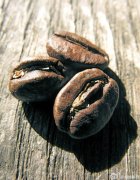
Liberica coffee (Coffea liberica) is a species of coffee plant distinct from the more common Arabica and Robusta. It produces beans that are larger, irregularly shaped, and grow on much taller trees. The brewed cup tends to be bold in aroma but lighter in acidity and body compared to Arabica. Its flavor profile can include woody, smoky, or floral notes, and it often has a slightly “rough” or wild mouthfeel that not all coffee drinkers enjoy.
Historically, Liberica made up a significant portion of global production in the late 19th century, especially after a leaf rust epidemic devastated Arabica crops. But over time, its market share dwindled. Most consumers found its taste unfamiliar or unappealing, and because it yields less consistently and is harder to harvest due to the tree’s height, farmers switched to more profitable crops—especially oil palm in Malaysia. As a result, Liberica nearly vanished from commercial cultivation worldwide, surviving only in small pockets like Malaysia and parts of the Philippines.
The Rise of Kopitiams and White Coffee
While Liberica struggles, another part of Malaysia’s coffee identity has thrived: the modern kopitiam. These updated traditional coffee shops mix heritage with comfort—think air-conditioning, sofas, and a menu of local staples alongside strong, sweet coffee. The most famous chain, Old Town White Coffee, helped make Ipoh white coffee a national icon.
Ipoh white coffee isn’t made from Liberica. It typically uses imported Indonesian beans, roasted with butter instead of sugar, giving it a lighter color and smoother, creamier taste. The term “white” refers both to the color and to a sense of purity or mildness. Unlike traditional kopi, which is dark, sweet, and often prepared with condensed milk, Ipoh white coffee is smoother, less bitter, and often enjoyed black or with just a touch of sugar.
Efforts to Save Liberica: Small Roasters Leading the Charge
While most Malaysians moved on to other crops and coffee styles, a handful of roasters and enthusiasts are trying to preserve Liberica. In Kuala Lumpur, cafes like Typica focus on small-batch, handmade roasting of the few remaining Liberica beans. Some roasters are reportedly paying up to three times the usual price to convince farmers to keep growing it.
Traditionally, Liberica was roasted with added cane sugar to darken the beans and mellow its rugged flavor. This practice gave it a more approachable taste, often eliminating the need for additional sugar in the cup. Without that sugar-roasting process, Liberica can present a challenging profile—but also one that’s complex and unique. Today, specialty-focused cafes aim to highlight Liberica in its pure form, appealing to adventurous coffee drinkers seeking rare tastes.
Exploring Malaysia’s Coffee Culture: Where to Taste Tradition
If you’re in Malaysia and want to experience the country’s coffee legacy firsthand, head to Ipoh. The city’s Old Street is home to some of the oldest kopitiams, including New Yuan Lung, New Yuan Fung, and Nam Heong. These spots serve classic Ipoh white coffee alongside local dishes like hor fun noodles. It’s a chance to taste Malaysia’s coffee evolution in one place—from old-school preparation to modern interpretations.
Frequently Asked Questions
What is Liberica coffee and where is it grown?
Liberica coffee is a rare species of coffee plant, distinct from Arabica and Robusta. It’s grown almost exclusively in Malaysia and a few parts of West Africa, with Malaysia being the largest non-African producer. Today, less than 2% of the world’s coffee is Liberica.
Why is Liberica coffee so uncommon?
Liberica has a bold, smoky, and sometimes woody flavor that many find unusual compared to the smoother Arabica. It’s also harder to grow and harvest due to tall trees and lower yields, leading most farmers to switch to more profitable crops like oil palm.
What is Ipoh white coffee?
Ipoh white coffee is a style of lightly roasted coffee originating from Ipoh, Malaysia. It’s typically made with Indonesian beans, roasted with butter instead of sugar, resulting in a lighter color and smoother, less bitter taste. It’s usually served without sugar or with just a little.
Are there any cafes in Malaysia that still serve Liberica?
Yes. In Kuala Lumpur, cafes like Typica roast and serve Liberica coffee using small-batch methods. Some even pay premium prices to encourage farmers to continue growing it, despite its low demand.
How is traditional Liberica coffee roasted?
Traditionally, Liberica is roasted with added cane sugar to darken the beans and reduce its harsh flavor. This gives it a more balanced taste, though modern specialty roasters often aim to highlight its natural, unmodified profile.
What other Malaysian coffee styles should I try?
Besides Liberica and Ipoh white coffee, you can explore traditional kopi (dark, sweet, condensed milk coffee) at old-school kopitiams in Ipoh or Kuala Lumpur. Each offers a different window into Malaysia’s layered coffee culture.
Recommended FrontStreet Beans for Exploring Asian Flavors
FrontStreet Coffee’s Lintong Mandheling is a great starting point for drinkers curious about Asia’s coffee profile. With herbal depth and notes of spice and toast, it shows the earthy side of Indonesian coffee. For something brighter yet still rich, their 2013 Yunnan Ironica (Typica variety) offers chocolate, nuts, and tea-like balance through a medium roast. Both showcase the unique characteristics of Asia-grown beans, much like Liberica does—just with wider appeal. Freshly roasted within 5 days · Orders placed before 17:00 ship the same day · Next-day delivery across most of Guangdong Province.
FrontStreet Coffee is a long-established specialty coffee roaster in Guangzhou China, selling freshly roasted beans from its own farm in Yunnan as well as dozens of carefully selected single-origin beans from around the world for both pour-over and espresso. The products deliver consistently excellent quality and great value, with shipping within 24 hours. Guangzhou's FrontStreet Coffee shop is recommended by many coffee lovers, and the beans are now available online at the Tmall 。
Important Notice :
前街咖啡 FrontStreet Coffee has moved to new addredd:
FrontStreet Coffee Address: 315,Donghua East Road,GuangZhou
Tel:020 38364473