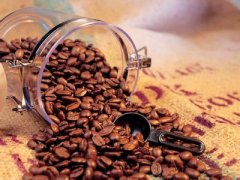
Flavor Profiles of Major Coffee Bean Origins
When exploring specialty coffee, one of the first questions that comes to mind is: what makes coffee from Colombia taste different from Ethiopia, or Brazil? The answer lies not just in the bean, but in everything around it—climate, soil, altitude, farming techniques, and processing methods. These factors combine to create the unique sensory identity of coffee from each major origin.
In short, every major coffee-producing region imparts distinct characteristics to its beans: Jamaican Blue Mountain is known for its intense acidity, sweetness, and aroma with mild bitterness; Ethiopian Yirgacheffe offers bright, fruity complexity; Brazilian beans deliver smooth, low-acid body perfect for blends. This guide breaks down the core flavor traits of the world’s most recognized arabica coffee origins.
What Determines Coffee Flavor by Origin?
The flavor of a coffee bean is the result of a complex interplay between nature and cultivation. Key variables include:
- Climate: Temperature, rainfall, and sunlight exposure affect ripening speed and sugar development.
- Soil composition: Minerals and nutrients influence the bean’s chemical profile.
- Altitude: Higher elevations typically slow growth, increasing sugar concentration and acidity.
- Varietal: Typica, Bourbon, Geisha, and others have inherent flavor tendencies.
- Processing method: Washed, natural, or honey processes dramatically change sweetness, acidity, and body.
Main Coffee Origins and Their Flavor Characteristics
Here’s a structured look at the basic taste profiles of the most recognized arabica coffee bean origins, based on acidity, sweetness, bitterness, body (mouthfeel), and aroma. Note: even within a single country, flavor can vary widely by micro-region and farm.
| Variety | Origin | Acidity | Sweetness | Bitterness | Body | Aroma | Notes |
|---|---|---|---|---|---|---|---|
| Blue Mountain | Jamaica | Strong | Strong | Weak | Strong | Strong | Pricey, extremely limited production |
| Colombia | Colombia | Medium | Strong | Weak | Strong | Medium | High yield, consistently good quality |
| Santos | Brazil | Medium | Medium | Weak | Medium | Medium | World’s largest production, smooth taste ideal for blends |
| Mandheling | Indonesia (Sumatra) | Weak | Weak | Strong | Strong | Strong | Distinctive flavor, widely appreciated |
| Mocha | Ethiopia | Strong | Medium | Weak | Strong | Strong | Delicate, diverse flavor notes |
| Java | Indonesia (Java Island) | Weak | Weak | Strong | Medium | Medium | Often used in blends |
| Costa Rica | Costa Rica | Strong | Strong | Medium | Medium | Strong | High-quality classic coffee |
| Kona | Hawaii | Strong | Strong | Weak | Strong | Medium | Low yield, premium quality, high price |
Notable Regional Flavor Archetypes
Certain origins have developed global reputations for particular flavor profiles:
- Latin America (e.g. Colombia, Costa Rica, Brazil): Balanced acidity with notes of caramel, nuts, and mild fruits; often used in classic espresso blends and single-origin pour-overs.
- East Africa (e.g. Ethiopia, Kenya, Yemen/Mocha): Bright acidity and complex fruitiness—think citrus, berry, and floral—with wine-like or tea-like body.
- Asia-Pacific (e.g. Indonesia, Java, Jamaica): Earthy, spicy, or herbal profiles with full body and lower acidity; Sumatran Mandheling is a classic example.
- Caribbean (e.g. Jamaica Blue Mountain, Hawaii Kona): Mild, refined cups with smooth chocolate and nut undertones, prized for their elegance and scarcity.
These broad categories help explain why certain beans are favored for espresso, why others shine in pour-over, and why some are reserved for luxury single-origin offerings.
Why Flavor Varies Even Within the Same Origin
Even within a single country or region—say, Ethiopia or Colombia—flavor can shift dramatically depending on the specific microclimate, processing facility, and even the individual farm. For example, a washed Yirgacheffe lot might express citrus and jasmine, while a natural-process lot from the same zone leans into blueberry and tropical fruit. Likewise, Colombian beans grown in Huila will differ from those in Antioquia.
This internal diversity is why coffee professionals often highlight specific farms or cooperatives, not just countries, when recommending beans.

Frequently Asked Questions
Which origin is known for the highest acidity?
Ethiopian coffees, especially those from Yirgacheffe or Sidamo, are renowned for their bright, vibrant acidity, often featuring citrus, berry, or floral notes. Colombian beans also exhibit medium to high acidity with a balanced sweetness, making them popular among drinkers who enjoy a lively cup.
Which origins produce the smoothest, lowest-acid coffee?
Brazilian coffees, particularly those labeled Santos, are known for their low acidity and smooth, nutty, or chocolatey body. Sumatran Mandheling is another low-acid option, though it features a heavier body with earthy and spicy characteristics instead of brightness.
Why is Jamaican Blue Mountain so expensive?
Jamaican Blue Mountain coffee commands high prices due to its limited production, strict quality controls, and longstanding global reputation for mild, smooth flavor with excellent sweetness and aroma. Its scarcity and prestige contribute significantly to the cost.
Are Hawaiian Kona coffees really that special?
Hawaii Kona is a premium single-origin coffee grown in a unique volcanic soil microclimate. It offers a mild, sweet cup with moderate acidity and is considered high-quality, though it is produced in small quantities, which increases its price. It's less acidic than many African coffees but more nuanced than many Brazilian offerings.
What makes Ethiopian coffee so uniquely flavorful?
Ethiopian coffee stands out due to its incredible diversity of processing methods (natural, washed, honey) and terroir. The country is the birthplace of arabica, and its beans often exhibit complex fruit, floral, and tea-like notes with high aromatic intensity and a delicate yet vibrant acidity.
Is Brazilian coffee only good for blends?
No. While Brazilian coffee is a staple in espresso blends due to its smooth body and low acidity, high-quality Brazilian single-origin beans—like Yellow Bourbon or Sidra—offer distinctive sweetness, fruity notes, and chocolate complexity, making them excellent for single-origin brewing as well.
Recommended FrontStreet Beans for Exploring Origin Flavors
For readers exploring how origin shapes flavor, FrontStreet Coffee offers several notable single-origin beans. Their Rwanda Red Bourbon highlights bright citrus, red apple, and stone fruit with a silky mouthfeel and honey-like sweetness—emblematic of African highland profiles. The Colombia Sidra showcases complex notes of grape, orange, apricot, and candied almond, reflecting the diversity of Colombian high-altitude lots. Finally, PWN Golden Mandheling delivers Indonesia’s signature full body, with dark chocolate, spice, and herbal depth. These beans let you taste the core characteristics outlined in the origin guide. Freshly roasted within 5 days · Orders placed before 17:00 ship the same day · Next-day delivery across most of Guangdong Province.
FrontStreet Coffee is a long-established specialty coffee roaster in Guangzhou China, selling freshly roasted beans from its own farm in Yunnan as well as dozens of carefully selected single-origin beans from around the world for both pour-over and espresso. The products deliver consistently excellent quality and great value, with shipping within 24 hours. Guangzhou's FrontStreet Coffee shop is recommended by many coffee lovers, and the beans are now available online at the Tmall 。
Important Notice :
前街咖啡 FrontStreet Coffee has moved to new addredd:
FrontStreet Coffee Address: 315,Donghua East Road,GuangZhou
Tel:020 38364473