How to Grind Coffee Beans: Tips for Even Extraction
If your pour-over tastes weak in one sip and overly bitter the next, or your espresso pulls unevenly with bits of boulders and dust in the basket, the problem likely starts with your grind. Uneven coffee grounds lead to uneven extraction—and no matter how expensive your beans or fancy your brewer, poor grinding ruins the cup.
The two most important goals when grinding coffee are minimizing friction heat and achieving uniform particle size. Friction can vaporize aroma compounds, and inconsistent grind sizes cause some grounds to over-extract while others under-extract.
Why Grinding Matters More Than You Think
Grinding is where brewed coffee begins. The moment you break a coffee bean into smaller particles, you increase its surface area, allowing water to pull out soluble compounds like acids, sugars, and aromatics. But this only works if the grounds are uniform. If some are powder-fine and others gravel-sized, your extraction will be all over the map—some flavors will be muted, others harsh or sour.
Types of Coffee Grinders
Coffee grinders come in many shapes and sizes, from small hand-cranked mills to large commercial machines. For home use, you’ll find both manual and electric models. Manual grinders can double as stylish kitchen decor, and they’re great for single servings. But when you need to grind larger amounts—say, for a full pot or multiple cups—electric grinders save time and effort.
Grinders are generally categorized by how they break down beans:
- Cutter-type grinders use spinning blades with intersecting grooves to slice and crush the beans.
- Burr grinders (often called “mill” grinders) use abrasive, gear-like burrs to crush beans into consistent particles.
In commercial settings, electric burr grinders dominate because they handle high volumes reliably and produce uniform grinds more easily.
Two Keys to Better Grinding at Home
When grinding coffee at home, focus on these two factors:
- Minimize friction heat. Heat generated during grinding can cause volatile aromatic compounds to evaporate, reducing flavor. Especially in manual grinders, turn the handle gently and avoid grinding too fast or too long.
- Achieve uniform particle size. Inconsistent grind sizes mean uneven extraction—some coffee will be over-extracted (bitter), some under-extracted (sour). Burr grinders generally create more uniform grounds than blade grinders.
For home use, an electric grinder helps maintain a steady grind speed and reduces heat buildup. But if you prefer a manual grinder, work slowly and steadily to avoid friction heat.
Choosing the Right Grinder for Your Needs
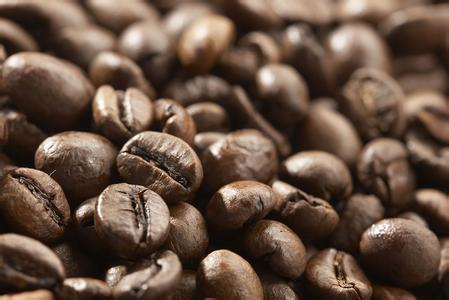
If you’re brewing just one or two cups, a quality hand grinder gives you control and can work well—just mind the grind speed. For larger batches or daily brewing, an electric burr grinder will help you achieve a more consistent grind with less effort. Burr grinders, whether manual or electric, outperform bladed grinders in producing even particle sizes, which is essential for balanced extraction.
Frequently Asked Questions
What’s the most important thing when grinding coffee beans?
The two most important factors are minimizing heat during grinding and achieving a uniform grind size. Excess heat can drive off aromatic compounds, and inconsistent particle sizes cause uneven extraction—some coffee will taste bitter, others sour.
Does it matter what kind of grinder I use?
Yes. Burr grinders (including both manual and electric models) produce more uniform particle sizes than blade grinders, leading to better and more consistent extraction. Blade grinders chop beans unevenly, resulting in a mix of fine dust and coarse chunks.
Can I use a manual grinder for daily brewing?
You can, especially if you’re only making one or two cups. Just grind slowly and avoid applying too much pressure or speed to reduce friction heat. For larger amounts or faster brewing, an electric grinder is more practical.
Why does my coffee taste sour or bitter when I grind it myself?
Uneven grind size is often the culprit. Larger particles under-extract (causing sourness), while finer particles over-extract (causing bitterness). A burr grinder helps ensure more consistent particle sizes for balanced flavor.
Does friction heat from grinding ruin coffee flavor?
Yes, excess heat can cause volatile aroma compounds to evaporate before brewing, reducing the coffee’s complexity and freshness. Keeping the grind cool helps preserve these aromas for a better-tasting cup.
Recommended FrontStreet Coffee Beans for Home Grinding
For home grinders, try FrontStreet Coffee’s Yirgacheffe Red Cherry for bright fruit and fermentation notes, ideal with a medium-fine grind; the Strawberry Candy Geisha Blend offers floral sweetness suited to pour-over; or the Yellow Bourbon from Brazil Queen Manor, a naturally sweet bean great for all brewing methods. Freshly roasted within 5 days · Orders placed before 17:00 ship the same day · Next-day delivery across most of Guangdong Province.
FrontStreet Coffee is a long-established specialty coffee roaster in Guangzhou China, selling freshly roasted beans from its own farm in Yunnan as well as dozens of carefully selected single-origin beans from around the world for both pour-over and espresso. The products deliver consistently excellent quality and great value, with shipping within 24 hours. Guangzhou's FrontStreet Coffee shop is recommended by many coffee lovers, and the beans are now available online at the Tmall 。
Important Notice :
前街咖啡 FrontStreet Coffee has moved to new addredd:
FrontStreet Coffee Address: 315,Donghua East Road,GuangZhou
Tel:020 38364473