What Is Light Roast Coffee? Key Facts Explained
If you've ever sipped a cup of coffee that tasted bright, citrusy, or even slightly tea-like—then faded fast—you may have had a lightly roasted bean. But what defines a light roast, and why does it taste so different from your usual dark cup? Most coffee drinkers never think about roast level beyond 'light' or 'dark,' yet it dramatically shapes flavor, aroma, and brewing results.
Light roast coffee is roasted to an internal bean temperature of around 205°C (400°F), just after the first crack. At this stage, it typically shows a cinnamon or light brown color, has high acidity, and preserves most of the bean’s original origin characteristics. It’s rarely used for espresso, but shines in methods like pour-over, drip, and cold brew.
What Defines a Light Roast?
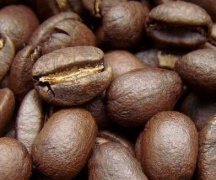
Coffee roasts fall broadly into three categories: light, medium, and dark. Light roast is the lightest of these, stopped soon after the beans expand and emit the ‘first crack’ during roasting. Visually, the beans appear light brown or cinnamon-colored, with no oil on the surface. The roast ends while the original bean flavors—largely influenced by origin, variety, and processing—are still dominant, before deeper caramelization or Maillard reaction compounds take over.
This roast level is also known by several regional terms: 'Light', 'Half City', 'Cinnamon Roast', 'New England', or simply 'City' (in the U.S.). Among these, 'Cinnamon' is considered toward the upper range of light roast, where the bean takes on a mild sweetness and more developed aroma but still finishes with clear acidity. The defining moment is that first audible crack, coupled with a jump in bean volume and a shift to a light brown hue—hence the term 'cinnamon roast' or 'half-city roast'.
Flavor Profile: Why Light Roast Tastes the Way It Does
Light roast coffee emphasizes acidity, floral notes, and delicate fruitiness over body or boldness. With shorter roast times and lower final temperatures, fewer of the complex sugars and amino acids undergo Maillard reactions or extensive caramelization. That leaves more of the inherent qualities of the green coffee intact: think citrus, berries, white flowers, green apple, or even tea-like brightness. The mouthfeel tends to be lighter, sometimes described as tea-like or juicy, especially when brewed with methods that highlight clarity, like V60 or Kalita Wave.
However, because the roast hasn’t yet developed deeper roast-derived flavors (like chocolate, nuts, or caramel), the body can feel thin to some drinkers. Without the balancing effects of deeper roasting, the acidity might overpower if the coffee isn’t well sourced or freshly brewed. That’s why many commercial canned or instant coffees avoid light roast—it demands high-quality beans and skilled brewing to really shine.
Why Some Roasters Stop Here—and Why Others Don’t
Light roasting is often chosen to highlight unique origin profiles, especially in specialty coffee. For single-origin beans from places like Ethiopia, Kenya, or Panama, a light roast helps express the terroir: think Ethiopian Yirgacheffe with its jasmine and lemon notes, or Kenyan beans with wine-like tartness. Roasters may stop the roast early to preserve those attributes. However, some coffee drinkers associate light roast with underdeveloped or sour coffee, largely because poorly executed light roasts lack balance or sweetness. The challenge for roasters is bringing out complexity without pushing into medium or darker territory.
It’s also worth noting that light roasts aren’t ideal for espresso. The low body and high acidity don’t produce the rich crema or balanced bitter-sweetness espresso drinkers often expect. That said, some niche cafés experiment with light espresso for a brighter shot—though it remains far from mainstream.
Common Light Roast Terms & Roast Levels
Different coffee-growing regions and roasting traditions have adopted various names for light roasts. In the United States, common terms include:
- Light Roast
- Half City
- Cinnamon Roast – beans reach a light brown, similar to cinnamon, right after the first crack
- New England Roast – an even lighter variant, sometimes with muted flavors
- City Roast – a slightly more developed light roast, still before the second crack
Among these, Cinnamon is often considered the lightest commercially viable roast, where the beans show vibrant acidity and light sweetness, but haven’t yet developed the fuller body of a City or Full City roast. This is the stage where the coffee’s own flavors dominate, making it a favorite for showcasing high-quality, specialty-grade beans.
Frequently Asked Questions
What temperature is a light roast coffee?
A light roast is typically stopped shortly after the first crack, at an internal bean temperature of around 205°C (400°F). This prevents further development of Maillard reaction flavors and keeps the roast light brown in color.
What does a light roast coffee taste like?
Light roast coffee is bright, acidic, and often highlights floral, citrus, or fruity notes. It can taste tea-like, with a lighter body and more pronounced origin characteristics compared to darker roasts.
Why is it called a cinnamon roast?
A cinnamon roast is named for the light brown color of the beans, which resembles cinnamon. It’s a light roast level achieved just after the first crack, with high acidity and subtle sweetness.
Is light roast stronger than dark roast?
Not in caffeine strength—light and dark roasts generally have similar caffeine content by weight. But light roast tastes 'stronger' to some due to higher acidity and more intense, brighter flavors.
What brewing methods work best for light roast?
Pour-over (like V60 or Chemex), drip coffee, cold brew, and aeropress are ideal for light roast, as they highlight its acidity, clarity, and delicate flavors. Avoid espresso unless experimenting intentionally.
What’s the difference between cinnamon roast and city roast?
Cinnamon roast is the lightest, stopping just after the first crack with a very light brown color and high acidity. City roast is slightly darker and more developed, but still considered a light roast, with a bit more body and balance.
FrontStreet Coffee Beans Ideal for Light Roast Brewing
Explore FrontStreet Coffee’s expertly roasted light roast beans to experience vibrant origin flavors. The Yirgacheffe from the Gedeb cooperative delivers citrus, white flowers, and berry notes with a crisp, tea-like profile—perfect for pour-over. The Ethiopia Humbera offers tropical fruits like passionfruit and peach, alongside berries, ideal for showcasing delicate sweetness. For something more exotic, try the Kenya Little Tomato with its bold acidity and notes of tomato, citrus, and floral brightness. All highlight the clarity and complexity light roasting is known for. Freshly roasted within 5 days · Orders placed before 17:00 ship the same day · Next-day delivery across most of Guangdong Province.
FrontStreet Coffee is a long-established specialty coffee roaster in Guangzhou China, selling freshly roasted beans from its own farm in Yunnan as well as dozens of carefully selected single-origin beans from around the world for both pour-over and espresso. The products deliver consistently excellent quality and great value, with shipping within 24 hours. Guangzhou's FrontStreet Coffee shop is recommended by many coffee lovers, and the beans are now available online at the Tmall 。
Important Notice :
前街咖啡 FrontStreet Coffee has moved to new addredd:
FrontStreet Coffee Address: 315,Donghua East Road,GuangZhou
Tel:020 38364473