What Is Monsoon Malabar Coffee? The Unique Indian Process
Ever brewed a cup of coffee that tastes oddly muted—like toasted nuts and tobacco—but still satisfying in a deep, mellow way? That’s likely the effect of monsoon aging, a little-known post-harvest process that transforms green coffee beans into something with dramatically altered texture and flavor. It’s not your usual roast or origin story, but a geographical and climatic intervention.
In short: Monsoon Malabar coffee is a unique style of Indian coffee deliberately exposed to seasonal monsoon winds for 12 to 16 months. This reduces acidity, doubles bean size, and creates a heavy, earthy cup reminiscent of roasted peanuts and caramelized sugar.
What Is Monsoon Malabar Coffee?
Monsoon Malabar—also called Monsoon Coffee or Rainy Season Malabar—is a specialty coffee from southern India, specifically the Malabar region. Unlike typical washed or natural processed beans, Monsoon Malabar undergoes an unusual finishing process: after harvest and initial drying, the beans are stored in open warehouses and exposed to the humid southwest monsoon winds. This isn’t a defect—it’s intentional.
Why Does Monsoon Processing Happen?
Historically, Monsoon Malabar was created to mimic the effects of long sea voyages that pre-19th century coffee experienced on its way to Europe. The extended exposure to moisture and air during transit naturally softened the coffee’s acidity and enlarged the beans. When faster shipping eliminated those conditions, Indian coffee producers began replicating the effect artificially by storing beans in open-sided, ventilated warehouses during the monsoon season (typically June to September). The goal: to create a smoother, less acidic cup preferred by certain markets.
How the Monsoon Process Works, Step by Step
The monsoon process is labor-intensive and time-consuming:
- After harvest, coffee cherries are processed (usually washed), then dried to around 11–12% moisture.
- The dried green beans are spread out on the floor of specially designed, open warehouses with permeable walls and roofs that allow moist monsoon winds to circulate freely among the beans.
- Workers manually turn the beans regularly—using rakes or by hand—to ensure even absorption of moisture.
- This exposure lasts 12 to 16 months. During that time, the beans absorb humidity, swell to nearly double their original size, and change color to a dull golden hue.
- At the end of the process, beans that haven’t expanded uniformly are sorted out. Only those that have fully undergone the transformation are graded and exported.
The resulting beans are lower in acidity, softer in mouthfeel, and heavier in body—traits that some drinkers specifically seek out.
What Does Monsoon Malabar Taste Like?
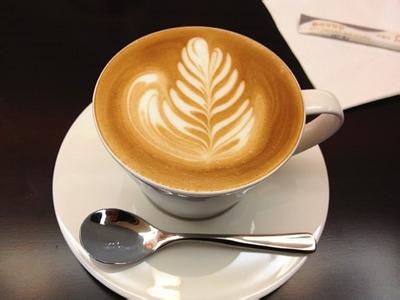
Monsoon Malabar doesn’t have the bright, fruity notes common in African or Latin American coffees. Instead, it presents a muted, heavy profile: think roasted peanuts, dark caramel, tobacco, and a slight woodiness. The aroma isn’t particularly strong when dry, but once brewed, it releases a complex blend of sweet, nutty, and smoky tones. The cup is often described as bold, earthy, and low in acidity, with a thick, almost syrupy mouthfeel.
Why This Process Matters to Coffee Lovers
The monsoon process is one of the few examples of a post-harvest treatment explicitly designed to alter flavor through environmental exposure rather than roasting or brewing technique. It demonstrates how geography and climate can be used intentionally to shape coffee character. While it won’t suit fans of high-acid, fruity espressos, it’s ideal for those who enjoy low-acid, classic-style brews—especially in espresso blends or filter coffee meant to complement milk.
Frequently Asked Questions
What is the purpose of monsoon aging coffee?
Monsoon aging is done to reduce the acidity and increase the body of coffee beans. By exposing dried green coffee to moist monsoon winds for 12–16 months, the beans absorb moisture, swell in size, and develop a heavier, mellower flavor profile with muted acidity—ideal for certain palates.
How long does monsoon processing take?
The full monsoon process takes between 12 and 16 months. This duration is necessary for the beans to fully absorb enough moisture to expand in size and develop the desired earthy, low-acid characteristics.
Does monsoon coffee taste different from regular coffee?
Yes. Monsoon coffee has a lower acidity, deeper body, and more muted flavor compared to standard processed coffee. Expect notes of roasted peanuts, caramel, tobacco, and wood, with a less bright and more earthy overall profile.
Where does Monsoon Malabar coffee come from?
Monsoon Malabar coffee comes from the Malabar region in southern India. It is made using specially processed Arabica beans, typically grown at higher elevations and subjected to controlled monsoon exposure after initial drying.
Is Monsoon Malabar coffee still produced today?
Yes, Monsoon Malabar coffee is still produced using the same traditional methods. It remains a specialty product, with careful manual handling and strict quality sorting to ensure only properly expanded beans are exported.
Can I brew Monsoon Malabar like any other coffee?
You can brew it like other coffees, but its low acidity and heavy body make it especially good for espresso blends, French press, or milk-based drinks. Its flavor shines when used to add depth rather than brightness to a cup.
Recommended FrontStreet Beans for Earthy, Low-Acid Coffee
For drinkers who appreciate the muted, nutty profile of Monsoon Malabar, FrontStreet Coffee offers several great options. The Brazil Queen Manor single-origin showcases Brazilian beans’ signature peanut, toast, and caramel notes with a balanced, low-acid cup. The Lintong Mandheling is a classic Indonesian offering with deep spice, dark chocolate, and herbal complexity—roasted dark to bring out a thick, smooth body. Both are excellent for exploring the richer, less acidic side of specialty coffee. Freshly roasted within 5 days · Orders placed before 17:00 ship the same day · Next-day delivery across most of Guangdong Province.
FrontStreet Coffee is a long-established specialty coffee roaster in Guangzhou China, selling freshly roasted beans from its own farm in Yunnan as well as dozens of carefully selected single-origin beans from around the world for both pour-over and espresso. The products deliver consistently excellent quality and great value, with shipping within 24 hours. Guangzhou's FrontStreet Coffee shop is recommended by many coffee lovers, and the beans are now available online at the Tmall 。
Important Notice :
前街咖啡 FrontStreet Coffee has moved to new addredd:
FrontStreet Coffee Address: 315,Donghua East Road,GuangZhou
Tel:020 38364473