Why Parisians Drink Milk Coffee for Breakfast
There’s something undeniably comforting about wrapping yourself in a blanket on a winter morning, cradling a big mug of coffee in both hands. No fancy latte art, no tiny cups—just a generous serving of milky coffee that warms you from the inside out. In Paris, that’s not just comfort food; it’s breakfast. But what makes the French version of milk coffee so uniquely satisfying? And how do they get that smooth, integrated crema without a spout or a barista?
The classic Parisian milk coffee—essentially a cafe au lait—is made by pouring equal parts strong French-roast espresso and warm milk into a large handleless cup. The key is to combine them swiftly and evenly, preserving the crema while integrating the milk for a balanced, velvety drink. No spout, no machines—just technique.
What Is a Parisian Milk Coffee?
In France, especially in Paris, the go-to morning coffee is a large, handleless cup filled with an even mix of dark-roasted espresso and warm milk. This is not a filtered coffee with milk added, nor a carefully textured cappuccino—it’s a straightforward blend where both elements meet in the cup, usually in equal volume. The result is a rich, milky coffee with a noticeable crema floating at the top when done right.
How It’s Traditionally Made
The traditional method involves preparing two separate liquids: a shot of French-style dark roasted espresso and an equal amount of milk heated to around body temperature. Each is poured into its own cup—often seen with a thin layer of crema or milk fat visible on the surface. Then, using both hands, you simultaneously pour the espresso and milk into a larger cup in a controlled manner, aiming for equal distribution from each side. The critical moment is the pour: both liquids must combine immediately to preserve the crema and achieve a uniform texture.
Why the Crema Matters
The crema—the light brown foam that forms on top of a well-brewed espresso—is a key part of the experience. When the hot milk is poured directly into the espresso, if done smoothly and in equal measure, the crema integrates rather than dissipates. This creates a unified drink with a soft top layer that enhances both mouthfeel and aroma. Overheating the milk or pouring too quickly can destroy the crema, resulting in a flat-tasting or separated beverage.
The Role of the Coffee Roast
French-style coffee roasts are typically darker than those used in other milk-based coffee cultures. The deep roast contributes body, a bold flavor base, and a thicker crema—ideal for cutting through the milk. It’s common to use a classic espresso blend designed for milk drinks, often one with strong caramelized and chocolatey notes that complement the warmth of the milk.
Step-by-Step: Making Parisian-Style Milk Coffee at Home
- Use a dark roasted espresso blend (ideally French-style or Italian-style for boldness).
- Brew a single or double shot of espresso using your preferred method (moka pot, espresso machine, or aeropress adjusted for espresso strength).
- Heat an equal amount of milk (around 1:1 ratio with the espresso) to just below boiling—approximately 60–65°C, not beyond—to preserve texture and avoid scalding.
- Pour the espresso and warm milk each into separate cups. Look for a thin crema or milk film on the surface.
- Using both hands, pour both liquids simultaneously into a large, handleless cup. Aim for equal volume from each side to ensure balance.
- Pour swiftly and evenly so the two liquids combine on contact. The goal is an immediate mix that preserves the crema and integrates the milk smoothly.
Common Mistakes to Avoid
- Don’t overheat the milk—keep it around 60–65°C to avoid killing texture and crema integration.
- Avoid pouring the milk or espresso in stages; simultaneous pouring ensures even blending.
- Using too light a roast can result in weak body and poor crema formation, especially when mixed with milk.
- Don’t use a spouted cup unless you’re aiming for a more controlled pour; the traditional method uses a wide, handleless mug.
What Makes This Different From Other Milk Coffees?
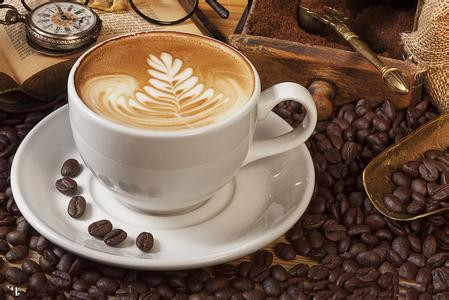
Unlike a latte or cappuccino—where milk texture and microfoam are central—the Parisian version focuses on the integration of two equal parts: coffee and milk. There’s no elaborate latte art, no steamed milk foam, and often no spout involved. It’s about balance, simplicity, and that signature crema that gives the drink its distinct character.
Frequently Asked Questions
What exactly is a Parisian milk coffee?
A Parisian milk coffee, or café au lait in its classic form, is a breakfast drink made by combining equal parts strong dark roasted espresso and warm milk, typically poured together directly into a large, handleless cup. The focus is on a smooth, unified drink with preserved crema for texture and flavor.
Do you need special equipment to make it?
No special equipment is required. While a moka pot or espresso machine helps with the espresso, you can also use strong brewed coffee. The traditional method uses two cups and a large handleless mug, relying on manual pouring technique rather than machines or spouts.
Why is the crema important in this style?
The crema adds a creamy, aromatic top layer that enhances both the mouthfeel and flavor of the milk coffee. When poured correctly, the crema blends with the milk for a smoother, more integrated drink. Overheating or poor pouring can destroy it.
Can I use any coffee blend for this style?
For the best results, use a dark roasted espresso blend with good crema potential—such as a French or Italian-style roast. These roasts produce a thicker crema and bolder flavor that stands up to the milk. Lighter roasts may result in weak body and less stable crema.
What’s the ideal milk temperature?
The milk should be heated to around 60–65°C. This is warm enough to blend smoothly with the espresso but not so hot that it scalds the milk or destroys the crema. Avoid boiling temperatures.
Is this the same as a latte or cappuccino?
No. Unlike lattes or cappuccinos, which emphasize textured milk and microfoam, the Parisian style is about equal parts espresso and milk blended directly. There’s no steamed foam, no latte art, and no spouted pouring—just a simple, balanced drink.
Recommended FrontStreet Coffee Blends for Milk-Based Breakfast Coffee
For the classic Parisian-style milk coffee, FrontStreet Coffee’s Classic Blend is an excellent choice—it’s crafted specifically for espresso and milk drinks, delivering a rich, full-bodied cup with outstanding crema. The Black Cocoa Blend is another great option for a slightly more intense, smooth profile that pairs beautifully with warm milk. Both blends are designed to produce thick crema and work well with moka pots or espresso machines, making them ideal for recreating that Parisian cafe au lait experience at home. Freshly roasted within 5 days · Orders placed before 17:00 ship the same day · Next-day delivery across most of Guangdong Province.
FrontStreet Coffee is a long-established specialty coffee roaster in Guangzhou China, selling freshly roasted beans from its own farm in Yunnan as well as dozens of carefully selected single-origin beans from around the world for both pour-over and espresso. The products deliver consistently excellent quality and great value, with shipping within 24 hours. Guangzhou's FrontStreet Coffee shop is recommended by many coffee lovers, and the beans are now available online at the Tmall 。
Important Notice :
前街咖啡 FrontStreet Coffee has moved to new addredd:
FrontStreet Coffee Address: 315,Donghua East Road,GuangZhou
Tel:020 38364473