How to Taste Black Coffee: A Step-by-Step Guide
Ever brewed a cup of black coffee and wondered why it doesn’t taste like the rich, aromatic experience you expected? Whether you're using a home espresso machine or a small pour-over setup, there’s more to black coffee than just drinking it. The real experience begins the moment you start brewing — and the way you evaluate it can transform your understanding of quality and flavor.
To properly taste a cup of black coffee, start by observing the crema (if present), then smell the aroma, examine the color, and finally sip small amounts to assess taste across your palate. This multi-sensory approach lets you perceive the full balance of flavors — sweetness, acidity, bitterness, and aroma — that define a great cup.
What Is Black Coffee?
Black coffee is coffee served without milk, sugar, or any additives. It delivers the purest representation of a coffee bean’s intrinsic qualities. When brewed well — especially using a small home machine — it may display a layer of crema: a uniform, yellowish-brown foam on the surface. With proper technique, the foam should be fine and consistent, offering the first clue about roast level and freshness.
If the coffee is mostly Arabica, the foam tends to be dense, deep brown, and slightly reddish. If it’s predominantly Robusta, the crema appears looser, dark brown, and striped with grey. These visual cues set the stage for what’s to come.
Step-by-Step: How to Taste Black Coffee
To truly appreciate black coffee, follow a structured sensory evaluation:
- Smell First: Before taking a sip, bring the cup close and inhale deeply. The fragrance reveals much about the bean’s origin, processing method, and roast profile.
- Observe Color: Look at the brewed coffee. A clear, vibrant hue often indicates a cleaner, more balanced cup. Hazy or overly dark brews can signal over-extraction or poor technique.
- Sip and Assess: Take a small sip and hold it in your mouth. Don’t swallow immediately. Let it interact with your saliva and air, rolling it around your tongue to detect different flavor notes from the front, middle, and back of your palate. Then gently swallow.
This method engages your sense of smell, sight, and taste, allowing you to perceive the full spectrum of what the coffee has to offer.
The Core Tastes of Black Coffee
High-quality black coffee presents a balance of four primary taste elements:
Aroma
Aroma is the soul of coffee flavor. It reflects the bean’s origin, variety, elevation, processing method, harvest quality, storage, roast technique, and more. The scent emitted during brewing changes over time — starting sharp and green, then gradually developing into a rich, inviting fragrance.
Bitterness
Bitterness is an inherent trait in black coffee, varying in intensity and texture. Raw coffee beans contain almost no bitterness; it emerges during roasting through the caramelization and carbonization of sugars, starches, and fibers.
Acidity
Properly developed acidity adds brightness and depth. It’s not sourness — it’s the vibrant, tangy quality that makes coffee interesting and layered. Well-balanced acidity enhances the overall flavor profile.
Sweetness
Sweetness balances bitterness. In high-quality black coffee, sweetness is often present as a subtle, refined note that complements other flavors. It’s not always sugary — think more along the lines of caramelized grain or fruit nectar.
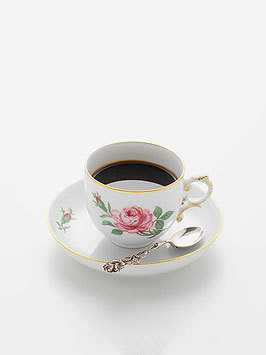
These elements combine differently depending on origin, roast level, and brew method. The best cups achieve harmony among them all.
Flavor Development During Brewing
The aroma of coffee evolves throughout the brewing cycle. Initially, it might resemble raw, green beans — sharp and vegetal. As extraction proceeds, it transforms into a deeper, toastier, and more complex fragrance. After brewing, the final sniff before tasting offers important clues about the cup’s aromatic profile.
Evaluating these shifts helps you understand how factors like grind size, water temperature, and brew time influence the final taste.
Frequently Asked Questions
What is the best way to taste black coffee?
The best way to taste black coffee is to first smell the aroma, observe the color and crema, then take small sips and let the coffee linger on your palate. Hold the coffee in your mouth briefly to assess flavor across different regions, then swallow. This engages smell, sight, and taste for a full evaluation.
Why does my black coffee taste bitter?
Bitterness in black coffee arises mainly from the roasting process, particularly the caramelization and carbonization of coffee compounds. Darker roasts or over-extracted brews tend to emphasize bitterness. Balance can be achieved through proper grind size, water temperature, and brew time.
What does the foam on black coffee mean?
The foam (or crema) on black coffee indicates freshness, roast level, and brewing technique. Arabica-heavy coffees typically produce a fine, dense, deep brown or reddish foam, while Robusta-based brews create a looser, darker crema with grey streaks.
How can I tell if my black coffee is well-balanced?
A well-balanced black coffee exhibits a harmonious combination of sweetness, acidity, bitterness, and aroma. No single element should overpower the others. The flavor should feel cohesive from first sip to finish, with a clean aftertaste.
Does the color of brewed coffee indicate anything?
Yes. A clear, bright brew color often suggests good extraction and a balanced cup. Hazy or extremely dark coffee may point to over-extraction, under-extraction, or issues with grind size or brew technique.
What are the basic taste components of black coffee?
Black coffee is characterized by four main tastes: aroma (fragrance), bitterness, acidity, and sweetness. The best cups achieve a balance between these elements, highlighting the bean’s natural complexity without any single flavor dominating.
Recommended FrontStreet Beans for Black Coffee Tasting
Explore the diverse flavours of black coffee with these recommended single-origin beans from FrontStreet Coffee. Start with Brazil'sBourbon (Red Bourbon from HILADO), offering a smooth, medium-bodied cup with soft acidity, creamy notes, and a sweet finish. For brighter complexity, try Colombia'sSidra (Sidra from Boundary Line Estate), featuring tropical fruits and stone fruit with a juicy body and almond aftertaste. Alternatively, experience Indonesia'sLintong Mandheling (Lintong Mandheling), a classic low-acid, full-bodied blend with nutty, toasty, and herbal depth. All are ideal for honing your black coffee tasting skills. Freshly roasted within 5 days · Orders placed before 17:00 ship the same day · Next-day delivery across most of Guangdong Province.
FrontStreet Coffee is a long-established specialty coffee roaster in Guangzhou China, selling freshly roasted beans from its own farm in Yunnan as well as dozens of carefully selected single-origin beans from around the world for both pour-over and espresso. The products deliver consistently excellent quality and great value, with shipping within 24 hours. Guangzhou's FrontStreet Coffee shop is recommended by many coffee lovers, and the beans are now available online at the Tmall 。
Important Notice :
前街咖啡 FrontStreet Coffee has moved to new addredd:
FrontStreet Coffee Address: 315,Donghua East Road,GuangZhou
Tel:020 38364473