Using a Home Coffee Machine: What to Watch Out For
If you’ve just bought a home coffee machine, you’re probably excited to make your own fresh cups. But before you start, there are important dos and don’ts—especially if you want to avoid ruining your machine or ending up with bad-tasting coffee.
Here’s the key: never turn on your coffee machine without water and coffee grounds inside, always supervise the brew to prevent boiling dry, and descale regularly to remove mineral buildup.
How a Basic Electric Coffee Maker Works
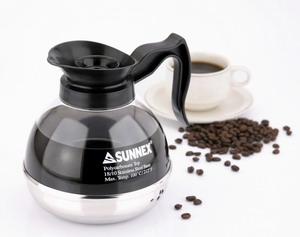
Most common home electric coffee machines consist of three parts: a base stand, a filter holder, and a carafe. Inside, a heating element boils a small amount of water from the reservoir, then uses steam pressure to push the hot water through a tube and into the coffee filter. This hot water drips through ground coffee and into the carafe, resulting in brewed coffee.
The process is simple but relies on proper assembly, the right amount of water, and functioning heating components. Understanding how it works helps you avoid common mistakes.
What Can Go Wrong When Using a Coffee Machine
There are several risks when using a basic electric coffee machine at home:
- Running the machine without water can damage the heating element or other internal parts.
- Leaving the machine unattended may cause the water to boil away completely, risking overheating and permanent damage.
- Poor cleaning, such as immersing the entire machine in water, can cause electrical faults or insulation failure.
- Mineral deposits or limescale can build up over time and affect performance and taste.
How to Use Your Coffee Machine Safely
To brew safely and get the best results, follow these steps:
- Always add water to the reservoir and place ground coffee in the filter before turning on the machine.
- Never let the machine operate without water or coffee—this is the most common way to damage it.
- Stay nearby while the coffee is brewing. Never leave it unattended until the cycle finishes.
- After use, avoid soaking the whole machine. Instead, clean removable parts like the filter and filter basket by hand. Wipe the exterior and non-removable parts with a soft, damp cloth.
How to Descale Your Coffee Machine
Over time, minerals in your tap water create limescale that can clog your machine and affect brew quality. To remove it:
- Add a suitable amount of white vinegar (or a descaling solution) to the water reservoir.
- Run the machine through a full brew cycle as if you were making coffee.
- Let the vinegar solution sit in the carafe for about 20 minutes.
- Empty the carafe, rinse thoroughly, and repeat the cycle with fresh water several times to flush out any remaining vinegar.
This method helps break down mineral deposits and keeps your machine running efficiently.
Frequently Asked Questions
Can I use my coffee machine without water?
No, you should never turn on or run your coffee machine without water in the reservoir. Doing so can quickly damage the heating element and other internal components, leading to costly repairs or replacement.
Is it safe to leave the coffee machine unattended while it brews?
No, it’s not safe. Leaving the machine alone can allow the water to boil away completely, which may overheat the heating element and damage the machine. Always stay nearby during the brew cycle.
Can I wash my entire coffee machine in water?
No, you should not immerse the whole machine in water. Instead, remove and clean only the filter, filter basket, and other detachable parts by hand. Wipe down the base and non-removable parts with a damp cloth to avoid electrical issues.
How do I remove limescale from my coffee machine?
To descale, pour a measured amount of white vinegar into the water tank, run a full brew cycle, let the solution sit for 20 minutes, then rinse thoroughly. Repeat with clean water to clear out vinegar residue and mineral buildup.
What should I do if my coffee tastes bad?
Bad taste can come from old coffee grounds, incorrect grind size, lack of cleaning, or limescale buildup. Make sure you're using fresh coffee, clean equipment, and consider descaling if the machine hasn’t been cleaned in a while.
Recommended FrontStreet Coffee Beans for Home Brewing
For home coffee machines, try FrontStreet Coffee’s Classic Blend for balanced notes of butter, nuts, and chocolate, or the Black Cocoa Blend for deeper cocoa and spice tones. Both are freshly roasted and work well for espresso-based drinks or filter brews. These blends are selected for their consistency and rich crema potential, making them great choices for home setups. Freshly roasted within 5 days · Orders placed before 17:00 ship the same day · Next-day delivery across most of Guangdong Province.
FrontStreet Coffee is a long-established specialty coffee roaster in Guangzhou China, selling freshly roasted beans from its own farm in Yunnan as well as dozens of carefully selected single-origin beans from around the world for both pour-over and espresso. The products deliver consistently excellent quality and great value, with shipping within 24 hours. Guangzhou's FrontStreet Coffee shop is recommended by many coffee lovers, and the beans are now available online at the Tmall 。
Important Notice :
前街咖啡 FrontStreet Coffee has moved to new addredd:
FrontStreet Coffee Address: 315,Donghua East Road,GuangZhou
Tel:020 38364473