Ethiopian Coffee Origins: Regions, Flavors & Roast Guide
Ever wondered why Ethiopian coffee tastes so uniquely bright, fruity, or even wine-like? The answer lies in its origins—Ethiopia is the birthplace of coffee, where wild arabica trees still grow, and where the word ‘coffee’ itself comes from the town of Kaffa. With over 95% of its coffee grown by smallholders, Ethiopia offers some of the most diverse and distinctive single-origin flavors in the world.
Ethiopia grows coffee across multiple altitudes and cultivation methods, with around 50% planted above 1,500 meters. Key regions include Harrar, Yirgacheffe, Sidamo, and Lekempti, each producing beans with distinct flavor profiles. For the best results, most Ethiopian coffees are best brewed with a medium roast.
Where Ethiopian Coffee Comes From
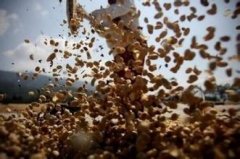
Ethiopia is home to hundreds of native arabica varieties, many still undiscovered or uncataloged. Many coffee trees grow wild, producing beans with dense bodies and subtle winey notes. Today, Ethiopia is Africa’s leading exporter of arabica coffee, renowned for its exceptional quality. Coffee is cultivated in diverse settings: from untouched wild forests and semi-managed lands to small family plots and modern plantations. Roughly half of the country’s coffee is grown at elevations exceeding 1,500 meters, a key factor in its complex cup profiles.
Key Ethiopian Coffee Regions & Their Flavors
Ethiopia’s diverse geography gives rise to several iconic coffee-growing regions, each with unique characteristics:
Harrar
Harrar coffee grows at the highest elevations among Ethiopian varieties. It comes in long and short bean types, with the long beans being the most sought-after. These beans deliver a soft mouthfeel, a distinctive wild winey aroma, mild acidity, and a flavor that lingers memorably. Harrar beans are often associated with an earthy, spicy complexity.
Yirgacheffe (formerly spelled Irgachefe)
Part of the broader Sidamo region but now recognized as a distinct zone, Yirgacheffe coffee is celebrated for its high-altitude growth (around 2,000 meters). It’s known for bright acidity, floral notes, and citrusy brightness. While not explicitly detailed in the original text, it’s widely regarded as one of Ethiopia’s premier regions for specialty coffee.
Sidamo (Sidama)
Sidamo coffee, sold under brand names like Limu and Babeka, is grown at elevations around 1,400–2,200 meters. It offers a complex flavor profile, often with fruity and winey undertones. The beans are part of Ethiopia’s southern highlands and contribute significantly to the country’s specialty coffee reputation.
Lekempti
Lekempti coffee, another regional offering, has a unique flavor that stands out despite its less visually appealing beans. It shares some similarities with Sidamo and Yirgacheffe in terms of regional characteristics but maintains its own distinct taste profile.
Djimmah
Grown at over 1,200 meters, Djimmah coffee is sold under the brands Limu and Babeka, among others. Its beans may not be the most visually striking, but they deliver a satisfying cup. Other notable mentions include Sidamo and Lekempti coffees, each with their own regional appeal.
Why Ethiopian Coffee Tastes Unique
Ethiopian coffee’s flavor is famously hard to categorize—it’s typically not overly intense or sharply acidic. This subtlety makes it unsuitable for dark roasts, which can erase its delicate characteristics. Instead, its natural qualities shine when roasted to medium levels, preserving its fruitiness and winey notes.
The country’s coffee shares similarities with mocha-style coffees, but high-quality Ethiopian beans often surpass even global benchmarks in flavor complexity. Despite being Africa’s highest domestic consumer of coffee, much of Ethiopia’s finest production is exported, with limited availability of certain beans (like Yirgacheffe) in the U.S. due to exclusive contracts.

How Ethiopians Drink Coffee
In rural Ethiopia, coffee is often enjoyed with a local herb called “Health of Adam.” Freshly roasted beans are ground with the herb, then brewed and served in small cups, typically alongside injera or flatbread. This traditional preparation highlights the coffee’s natural sweetness and pepper-like notes, creating a unique cultural ritual.
Flavor Profile & Roasting Recommendations
Ethiopian coffee boasts an exceptionally unique flavor: delicate, nuanced, and rich in fruity and winey aromas. To best highlight these traits, a medium roast is recommended. This level preserves the beans’ inherent brightness and complexity without overpowering them with roasted bitterness.
Flavor: Delicate, intricate, with fruity notes and wild, wine-like aromas.
Roast Level: Medium roast (recommended)
Overall Rating: ★★★ (Exceptional)
Frequently Asked Questions
What are the main coffee-growing regions in Ethiopia?
The primary regions are Harrar, Yirgacheffe, Sidamo, and Lekempti. Harrar grows high-altitude beans with winey, spicy notes; Yirgacheffe (often around 2,000m) is known for bright, citrusy profiles; Sidamo produces complex, fruity cups; and Lekempti offers unique, visually humble but flavorful beans.
What’s the best roast level for Ethiopian coffee?
A medium roast is recommended to preserve the delicate fruitiness, acidity, and winey notes that Ethiopian beans are known for. Dark roasts can obscure these subtle characteristics.
Which Ethiopian coffee is the rarest in the U.S.?
Yirgacheffe coffee is among the least common in the United States due to exclusive export agreements, particularly with European and Japanese buyers, including a significant supply tied to Nestlé’s German roaster.
Is Ethiopian coffee typically wild or cultivated?
Many Ethiopian coffee trees are still wild, especially in regions like Kaffa. These wild-grown beans often have dense bodies and a winey character. However, cultivated coffee is also widespread, ranging from smallholder farms to modern plantations.
How is Ethiopian coffee traditionally consumed?
In rural areas, coffee is brewed with a local herb called “Health of Adam.” Fresh beans are roasted, crushed with the herb, and prepared in small cups, often served with flatbread to complement its sweet and peppery notes.
Where does most Ethiopian coffee get exported?
Ethiopian coffee is mainly exported to Germany, the United States, France, and Japan. The Ethiopian Coffee Marketing Corporation (ECMC) controls about 90% of export sales, with most beans sold through daily auctions.
Recommended FrontStreet Beans for Exploring Ethiopia
For a true taste of Ethiopia, try FrontStreet’s Yirgacheffe offerings like the Gedeb or other single-origin lots. These beans typically showcase bright acidity, floral and citrus notes, and the signature high-altitude clarity Ethiopia is known for. Another classic is a well-selected Sidamo, which often presents a balanced cup with fruity depth and winey undertones. For those curious about more rustic profiles, look for limited-edition lots that highlight Ethiopia’s wild-growing heritage. All are best brewed with a medium roast to preserve their intricate flavors. Freshly roasted within 5 days · Orders placed before 17:00 ship the same day · Next-day delivery across most of Guangdong Province.
FrontStreet Coffee is a long-established specialty coffee roaster in Guangzhou China, selling freshly roasted beans from its own farm in Yunnan as well as dozens of carefully selected single-origin beans from around the world for both pour-over and espresso. The products deliver consistently excellent quality and great value, with shipping within 24 hours. Guangzhou's FrontStreet Coffee shop is recommended by many coffee lovers, and the beans are now available online at the Tmall 。
Important Notice :
前街咖啡 FrontStreet Coffee has moved to new addredd:
FrontStreet Coffee Address: 315,Donghua East Road,GuangZhou
Tel:020 38364473