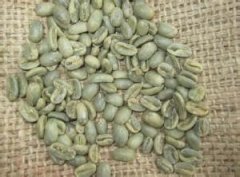
What Makes Kenyan Coffee So Special?
When you take your first bright, juicy sip of a truly great cup—juicy like blackcurrant, crisp like green apple, and sweet with a winey finish—you might wonder: where does coffee like this come from? The answer, more often than not, leads straight to Kenya. This East African nation produces some of the most distinctive and sought-after specialty coffees in the world. But what makes Kenyan coffee so special? And why do roasters and coffee professionals prize it above almost all others?
In short: Kenyan coffee is celebrated for its vibrant acidity, complex fruit flavors, full body, and rich sweetness. Grown mostly at 1,500–2,100 meters above sea level, Kenyan beans are carefully handpicked, rigorously sorted, and processed using a unique washed method. They’re graded by both size and cup quality—with AA being the top grade—and auctioned through a government-run system known for transparency and quality control.
The Origins of Coffee in Kenya
Coffee arrived in Africa in 1878 through British introduction, and plantations were established in Kenya during the 19th century. Initially, coffee drinking in the region came from Ethiopian beans imported via South Yemen. But it wasn’t until the early 20th century that the Bourbon coffee variety made its way to Kenya, brought by the St. Austin Mission. This marked the true beginning of Kenya’s coffee cultivation journey. The country’s coffee farming is predominantly carried out by smallholders, and production is concentrated around the slopes of Mount Kenya and areas near the capital, Nairobi.
Growing Regions and Altitude
Kenya’s coffee is grown at high altitudes, typically between 1,500 and 2,100 meters above sea level. This elevation slows down the ripening process, allowing the coffee cherries to develop more complex sugars and acids. The cool temperatures contribute to denser beans and a more vibrant cup profile. Most of Kenya’s finest coffees are grown in regions surrounding Mount Kenya. The prestigious Kenya AA grade is produced from beans grown at around 5,100 feet (approximately 1,700 meters) on the slopes of Mount Kenya, near Nairobi. These beans are known for being among the largest and highest quality the country offers.
Kenyas Coffee Varieties: SL28 and SL34
Kenya’s most iconic coffee varieties are SL28 and SL34, both developed by the Scott Laboratories (SL) in the 1930s. These varieties were part of a research program that tested over 40 experimental cultivars. SL28 is famed for its pronounced blackcurrant, citrus, and deep stone fruit acidity, delivering a wine-like, syrupy sweetness. SL34, meanwhile, offers strong fruit acidity alongside notes of nuts and spices. These two varieties thrive in Kenya’s high-phosphorus volcanic soils and cool high-altitude conditions, helping produce the distinctive cup profiles the country is known for.
Kenya’s Unique Washed Processing Method
The washed processing method used in Kenya is one of the factors behind its coffee’s intense fruitiness and clarity. After harvesting, the coffee cherries are depulped and then fermented for 48 hours to remove the mucilage. This is followed by 24 hours of soaking in clean water—a double washing process that enhances the coffee’s brightness and juiciness. The beans are then dried on raised beds. This meticulous processing contributes to the clean, vibrant, and complex cup profile that Kenya coffee is prized for.
How Kenyan Coffee Is Graded and Classified
Kenya has one of the most detailed coffee grading systems in the world. Coffee beans are first graded by size, with seven grades in total. The largest and highest-quality beans are labeled AA, followed by A, B, C, E, T, and PB (peaberry). The AA grade represents the biggest beans, often considered the most desirable. In addition to size, Kenyan coffee is also graded by cup quality, with six levels ranging from highest to lowest. The top cup quality grades include PB (peaberry), AA++, AA+, AA, and AB. Premium lots are known for bright acidity, intense fruit flavors, and a wine-like finish. Among these, Kenya AA is especially celebrated.
Flavor Profile and Roast Recommendations
Kenyan coffee is known for its vibrant acidity, medium-to-full body, and complex fruit flavors. Common tasting notes include blackberry, grapefruit, citrus, blackcurrant, and even dark plum. There is often a winey or fermented sweetness, balanced by a crisp, clean finish. The typical flavor profile makes it extremely versatile in brewing methods. For the best results, most roasters recommend a medium roast to preserve its acidity and complexity, though some premium lots can shine with a dark roast as well.
Flavor: Aromatic, rich, and intensely fruity
Acidity: Bright and wine-like
Body: Medium to full
Recommended roast: Medium (can go deeper)
How Kenyan Coffee Is Marketed and Sold
The Kenyan coffee industry is uniquely organized and government-regulated. The Kenya Coffee Board (CBK) oversees all aspects of coffee production, from buying to grading and auctioning. It is illegal to cut down or destroy coffee trees in Kenya. All coffee grown is delivered to cooperative washing stations, where it is processed, dried, and sold as parchment coffee. The CBK collects samples from these stations, grades the lots, and organizes weekly auctions where private exporters bid on the coffee. Notably, the coffee is not re-graded during the auction—it is sold based on the pre-assigned grade. While the CBK acts only as an intermediary, some criticism exists, particularly from Japanese buyers, regarding the system’s pricing structure. Nonetheless, Germany, Scandinavia, and other European countries remain loyal long-term buyers of Kenyan coffee, appreciating its consistency and quality.
Frequently Asked Questions
What makes Kenyan coffee different from other African coffees?
Kenyan coffee is distinct due to its high-altitude cultivation, unique SL28 and SL34 coffee varieties, meticulous washed processing, and a rigorous government-controlled grading and auction system. These factors combine to produce coffees with exceptional brightness, complex fruit flavors, and a wine-like acidity rarely matched elsewhere in Africa.
What are the main coffee growing areas in Kenya?
Kenya’s best coffee comes from regions around Mount Kenya, including areas near Nairobi. The country’s high-altitude zones, especially between 1,500 and 2,100 meters, provide ideal conditions for growing dense, high-quality beans with complex cup profiles.
What are Kenya AA and AB coffee grades?
Kenya AA is the highest grade, made up of the largest and highest-quality beans, often sourced from Mount Kenya’s slopes. AB is a slightly lower grade in size but can still offer excellent cup quality. Both are part of Kenya’s strict seven-grade size classification and further cup quality rankings.
Which coffee varieties are most important in Kenya?
SL28 and SL34 are Kenya’s most famous and influential coffee varieties. Developed by Scott Laboratories in the 1930s, they are known for their exceptional acidity, fruitiness, and ability to thrive in high-altitude, high-phosphorus soils.
How is Kenyan coffee processed?
Kenyan coffee is processed using a washed method that includes a 48-hour fermentation followed by 24 hours of soaking in fresh water. This double-wash process enhances the coffee’s clarity, acidity, and fruit characteristics, contributing to its signature bright and juicy cup.
How is Kenyan coffee sold and exported?
All Kenyan coffee is purchased by the Kenya Coffee Board (CBK), graded, and sold through a centralized weekly auction system. Exporters bid on graded lots, and the CBK facilitates the transaction without re-grading the coffee. This system is designed to ensure fairness and quality control.
Recommended FrontStreet Beans for Exploring Kenyan Flavor
For a true taste of Kenya’s signature fruitiness and acidity, try FrontStreet Coffee’s Kenya Little Tomato. This single origin combines the celebrated SL28 and SL34 varieties, processed with a double washed method and roasted to a bright medium. Expect notes of cherry, tomato, blackberry, plum, and a hint of caramel—offering a juicy body and layered finish. It’s excellent as a pour-over, and even shines in cold brew or ice drip. Freshly roasted within 5 days · Orders placed before 17:00 ship the same day · Next-day delivery across most of Guangdong Province.
FrontStreet Coffee is a long-established specialty coffee roaster in Guangzhou China, selling freshly roasted beans from its own farm in Yunnan as well as dozens of carefully selected single-origin beans from around the world for both pour-over and espresso. The products deliver consistently excellent quality and great value, with shipping within 24 hours. Guangzhou's FrontStreet Coffee shop is recommended by many coffee lovers, and the beans are now available online at the Tmall 。
Important Notice :
前街咖啡 FrontStreet Coffee has moved to new addredd:
FrontStreet Coffee Address: 315,Donghua East Road,GuangZhou
Tel:020 38364473