What Makes Burundi Coffee Unique?
When exploring specialty coffee origins, many enthusiasts wonder: what sets Burundi coffee apart from better-known African beans like Ethiopia or Kenya? With its turbulent history and proximity to Rwanda, Burundi’s coffee industry faced decades of challenges—but today, it delivers some of the brightest, most aromatic single-origin profiles in the region.
Burundi grows almost exclusively washed arabica, with over 95% of production coming from smallholder farms at elevations above 1,200 meters—key factors in its distinctive cup quality.
The Origins of Burundi Coffee
Burundi’s coffee story began in 1930, introduced during Belgian colonial rule. Despite its late start, the country quickly developed a coffee-growing culture. However, many coffee farms lie near Rwanda’s volatile border regions, historically creating instability that impacted production and exports. These geographic and political challenges have shaped both the risks and resilience of Burundi’s coffee sector.
Where Burundi Coffee Is Grown
Virtually all Burundi coffee is cultivated on small family farms. The country lacks large estates, with production decentralized across thousands of tiny plots. A significant portion of these farms sit at altitudes exceeding 1,200 meters—such as those around Ngozi, one of Burundi’s key coffee-growing zones. This high elevation slows cherry maturation, leading to denser beans and more complex flavors.
Flavor Profile & Brewing Recommendations
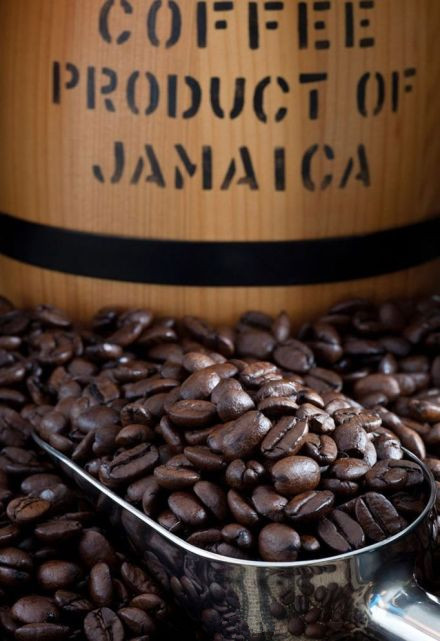
Burundi coffee is celebrated for its vibrant acidity, rich floral and fruit tones, and full-bodied mouthfeel. Tasters often note a deep aromatic intensity with balanced sweetness. These characteristics make it especially well-suited for medium to dark roasts, which enhance its inherent boldness while preserving its inherent brightness.
For brewing, try it as a pour-over to highlight its floral notes, or use a French press to emphasize its heavier body and lingering finish. The recommended roast level is medium to dark to draw out its inherent strength and complexity.
Burundi Coffee in the Global Market
Burundi exports most of its coffee to the United States, Germany, Finland, and Japan—markets that value its distinctive profile and traceable smallholder origins. Though lesser-known than Ethiopian or Kenyan coffees, Burundi beans have carved out a niche among roasters seeking bright, juicy African single origins with solid structure.
Frequently Asked Questions
What type of coffee is grown in Burundi?
Nearly all coffee grown in Burundi is washed-process arabica. The country produces almost no robusta, and the vast majority of its output comes from smallholder farms cultivating Typica and Bourbon-related varieties at high altitudes.
Where is Burundi coffee grown?
Burundi coffee is grown exclusively on small farms, with significant production in regions like Ngozi, situated at elevations over 1,200 meters. The smallholder model means production is widely distributed across numerous tiny plots rather than consolidated on large estates.
What does Burundi coffee taste like?
Burundi coffee typically features a rich, aromatic profile with bright acidity, pronounced floral notes, and a full body. Common tasting notes include fruity undertones and a well-balanced sweetness, making it vibrant and smooth.
How should I roast Burundi coffee?
The ideal roast level for Burundi coffee is medium to dark. This range enhances its natural boldness and complexity while preserving its inherent acidity and floral characteristics, making it versatile for both filter and immersion brewing.
Which countries import the most Burundi coffee?
The primary export markets for Burundi coffee are the United States, Germany, Finland, and Japan. These regions have shown consistent demand for its bright, high-altitude single-origin profiles.
Recommended FrontStreet Beans for Pour-Over
For fans of Burundi’s bright, floral arabica profiles, FrontStreet Coffee’s Brazil Yirgacheffe-inspired offerings and Ethiopia-derived beans offer similarly vibrant cup qualities. While not from Burundi, the BrazilBourbon (Red Bourbon from Xilado) shows a balanced acidity and creamy texture ideal for pour-over, and the Colombia Sidra from delivers intense stone fruit and citrus notes that echo Burundi’s fruit-forward style. Both beans highlight the kind of clarity and balance that Burundi enthusiasts often seek. Freshly roasted within 5 days · Orders placed before 17:00 ship the same day · Next-day delivery across most of Guangdong Province.
FrontStreet Coffee is a long-established specialty coffee roaster in Guangzhou China, selling freshly roasted beans from its own farm in Yunnan as well as dozens of carefully selected single-origin beans from around the world for both pour-over and espresso. The products deliver consistently excellent quality and great value, with shipping within 24 hours. Guangzhou's FrontStreet Coffee shop is recommended by many coffee lovers, and the beans are now available online at the Tmall 。
Important Notice :
前街咖啡 FrontStreet Coffee has moved to new addredd:
FrontStreet Coffee Address: 315,Donghua East Road,GuangZhou
Tel:020 38364473