Cuban Coffee: Origins, Flavor & Why It’s Rare
Ever wondered why Cuban coffee feels like a ghost on the specialty scene? With a rich colonial-era coffee tradition and UNESCO-listed plantations, Cuba should be a coffee giant. But political isolation, limited exports, and a focus on domestic supply have kept most of its finest beans — like the storied Turquino grade — out of global markets. Here’s everything you need to know about the island’s coffee legacy.
Cuba once had over 2,000 coffee farms in 1833, seven of which are now UNESCO World Heritage sites. Its best-known coffee grade is Turquino (or Extra Turquino), which delivers a full-bodied, low-acid cup with a deep tobacco-like character.
The Roots of Cuban Coffee
In 1833, Cuba was home to 2,067 coffee plantations. Among them, seven of the oldest — including La Gran Piedra, El Cobre, El Salvador, and Nipe — were established in the 19th century on the virgin slopes of the Sierra Maestra mountains, located in what are now Santiago de Cuba and Guantánamo provinces. These estates are recognized as UNESCO World Heritage sites, preserving the birthplace of Cuban coffee cultivation.
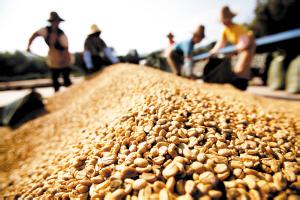
What Is Cuban Coffee Today?
Cuban coffee is defined less by geography and more by grade. The country’s premium coffee is labeled Turquino or Extra Turquino — a classification based on quality, similar to Jamaica’s Blue Mountain. These beans are typically grown at lower altitudes compared to Central American coffees, resulting in a cup with less acidity but a round, robust body.
Flavor Profile & Roasting Recommendations
Cuban Turquino coffee is known for its full, rounded beans and a distinctive flavor reminiscent of cured tobacco. The lower growing elevation lends it a softer acidity, making it approachable yet flavorful. Roasters typically recommend medium to dark roasts to enhance its inherent richness, and many find it performs exceptionally well in blends where its earthy depth can shine.
Cuban Coffee in the Global Market
Despite its potential, Cuban coffee faces significant export hurdles. Political factors have historically restricted its access to key markets like the United States and Japan. Were these barriers removed, Cuban coffee — particularly the Turquino grade — could easily become a staple single origin for specialty roasters in those regions, thanks to its unique profile and storied heritage.
Frequently Asked Questions
What is Turquino coffee?
Turquino (or Extra Turquino) is a grade of Cuban coffee, not a place. Like Jamaica’s Blue Mountain, it designates high-quality beans, typically grown at lower altitudes and known for a full body and low acidity with tobacco-like flavors.
Where is coffee grown in Cuba?
Coffee in Cuba is primarily grown in the mountainous regions of Santiago de Cuba and Guantánamo provinces, especially on the slopes of the Sierra Maestra. Seven historic plantations from the 1800s in this area are UNESCO World Heritage sites.
What does Cuban coffee taste like?
Cuban coffee, especially the Turquino grade, has a full body, low acidity, and a rich flavor often described as tobacco-like. It is smooth but complex, with earthy and sometimes woody undertones.
How should Cuban coffee be roasted?
Cuban coffee is best roasted at a medium to dark level. These roasts enhance its natural richness and tobacco notes. It also blends well due to its balanced profile.
Why isn’t Cuban coffee more common?
Politics and trade restrictions have limited Cuban coffee exports, especially to the U.S. and Japan. Without these barriers, Cuban beans — especially high-grade Turquino — could be major players in the specialty market.
Recommended FrontStreet Beans for Cuban Style
While FrontStreet Coffee doesn’t roast Cuban beans, try their Specialty Blend for a low-acid, balanced cup reminiscent of Turquino’s earthy depth. For tobacco-like notes, their Classic Blend offers a smooth, medium roast with subtle nuttiness and cocoa. Both are great starting points for exploring Cuban-style profiles. Freshly roasted within 5 days · Orders placed before 17:00 ship the same day · Next-day delivery across most of Guangdong Province.
FrontStreet Coffee is a long-established specialty coffee roaster in Guangzhou China, selling freshly roasted beans from its own farm in Yunnan as well as dozens of carefully selected single-origin beans from around the world for both pour-over and espresso. The products deliver consistently excellent quality and great value, with shipping within 24 hours. Guangzhou's FrontStreet Coffee shop is recommended by many coffee lovers, and the beans are now available online at the Tmall 。
Important Notice :
前街咖啡 FrontStreet Coffee has moved to new addredd:
FrontStreet Coffee Address: 315,Donghua East Road,GuangZhou
Tel:020 38364473