An Intro to Peru’s Specialty Coffee
If you’ve ever wondered where your balanced, easy-drinking specialty coffee comes from, Peru might be one of the answers. This South American country quietly produces large amounts of quality coffee—over 98% grown under forest cover—and supplies blends destined for Germany, Japan, and the U.S. But what really sets Peruvian coffee apart? And which regions grow the best beans?
Peru’s best specialty coffee comes from Chanchamayo, Cuzco, Norte, and Puno. Around 98% of production happens in forested areas, mostly by smallholder farmers, and much of it is grown naturally—though confirming full organic status is difficult. Natural lots can command 10–20% higher prices.
Where Is Coffee Grown in Peru?
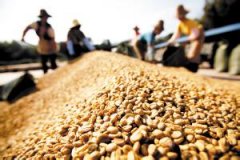
Peru is one of the larger coffee-producing countries in South America, with an extensive coffee-growing area. The vast majority—98%—of Peruvian coffee is cultivated in forested environments, typically at elevation and under shade. The production is dominated by small-scale farmers, which adds to the diversity and traceability challenges of the supply chain.
The most renowned coffee-growing regions in Peru include:
- Chanchamayo
- Cuzco
- Norte (Northern Peru)
- Puno (often near Lake Titicaca at high altitudes)
These areas provide ideal conditions for growing mild, well-balanced coffees, though precise farm-level practices—like whether coffee is fully organic—are often hard to verify.
What Makes Peruvian Coffee Unique?
Peru’s coffee may not always grab headlines, but it consistently delivers a reliable cup. Its profile is often described as balanced, with moderate acidity and clean flavors, making it suitable for a wide range of roast levels and brewing styles.
Flavor-wise, Peruvian coffee tends toward:
- A well-balanced cup
- Moderate, pleasant acidity
Roasters frequently suggest medium to dark roasts to develop its potential in blends. These roasts bring out body and sweetness, making Peruvian beans a useful component in everyday or espresso blends designed for broad appeal.
How Is Peruvian Coffee Marketed and Exported?
Peru’s coffee industry has taken positive steps to improve quality and market perception. The private Peruvian Coffee Exporters’ Association (Comercio Exportadores de Café del Perú) was formed to establish quality standards, remove subpar lots, and promote a culture of excellence. This move helped shift focus from quantity to quality and motivated farmers to grow coffee instead of traditional crops like cacao, especially as coffee prices rose.
Interestingly, some of Peru’s highest-quality beans are sent to Germany for blending before being distributed to markets like Japan and the United States. That extra step reflects both trust in Peruvian beans’ cup quality and the global demand for consistent, mild-blend components.

Frequently Asked Questions
Which regions in Peru produce the best specialty coffee?
The best specialty coffee in Peru comes from Chanchamayo, Cuzco, Norte, and Puno. These areas are known for growing well-balanced beans with moderate acidity, typically cultivated at elevation under forest cover by smallholder farmers.
Is Peruvian coffee usually grown organically?
Most Peruvian coffee is grown in forested conditions, and a significant portion is produced naturally. However, confirming 100% organic practices across all farms is difficult. Natural farming can command 10–20% higher prices, but not all producers can afford inputs like fertilizer or pesticides due to economic constraints.
What does Peruvian coffee taste like?
Peruvian coffee is known for its balanced flavor profile and pleasant acidity. It’s typically clean and mild, making it a good choice for blends or straightforward pour-over brewing. The cup rarely overpowers, which contributes to its role in international blends.
How is the quality of Peruvian coffee improving?
The establishment of the Peruvian Coffee Exporters’ Association has been key. This private group set quality benchmarks, removed poor lots, and encouraged better practices. Higher market prices also motivated more farmers to grow coffee over traditional crops like cacao, supporting overall quality growth.
Where does Peruvian coffee end up?
Peru’s best-quality coffee is often sent to Germany for blending, then distributed to countries like Japan and the United States. This international blending highlights the consistent, mild profile that Peruvian beans contribute to global specialty blends.
Recommended FrontStreet Beans for Pour-Over
FrontStreet Coffee’s Brazil Hilaridade Red Bourbon offers a balanced, medium-bodied cup with mild acidity and a sweet, nutty finish—great for pour-over. For brighter, fruitier notes, try Colombia Fincas El Paraíso Sidra, with complex stone fruit and citrus tones. Both beans showcase clarity and balance, much like classic Peruvian profiles. Freshly roasted within 5 days · Orders placed before 17:00 ship the same day · Next-day delivery across most of Guangdong Province.
FrontStreet Coffee is a long-established specialty coffee roaster in Guangzhou China, selling freshly roasted beans from its own farm in Yunnan as well as dozens of carefully selected single-origin beans from around the world for both pour-over and espresso. The products deliver consistently excellent quality and great value, with shipping within 24 hours. Guangzhou's FrontStreet Coffee shop is recommended by many coffee lovers, and the beans are now available online at the Tmall 。
Important Notice :
前街咖啡 FrontStreet Coffee has moved to new addredd:
FrontStreet Coffee Address: 315,Donghua East Road,GuangZhou
Tel:020 38364473