What You Should Know About Bolivian Coffee Beans
When you’re digging into your morning cup and wonder where your beans actually come from, Bolivia might not be the first country that comes to mind—but it has a story worth knowing. Once overlooked, Bolivian coffee has quietly evolved from garden ornament to commercial crop. But what makes Bolivian coffee different today, and is it worth seeking out? Let’s break down the facts.
In short: Bolivia produces washed Arabica coffee grown between 180 and 670 meters above sea level. Its flavor is described as a ""—a decent blend profile—and it is usually roasted to a medium to dark level. While not currently considered top-tier, it has been exported to markets like Germany and Sweden.
A Brief History of Coffee in Bolivia
Coffee in Bolivia didn’t start as a commercial crop. For much of its early history, coffee plants were used decoratively—as hedges in gardens. It wasn’t until the early 1950s that Bolivia began developing a real coffee industry. A major turning point came in 1975, when a major frost devastated Brazil’s coffee production. Bolivia, less affected, stepped in to fill some of the supply gap and experienced a period of growth during that time.
Where Coffee Is Grown in Bolivia
Bolivia’s coffee is cultivated at relatively low altitudes compared to other renowned coffee-growing countries. The typical elevation range for coffee farms in Bolivia is between 180 and 670 meters above sea level. These lower altitudes influence the density and ripening time of the coffee cherries, and subsequently affect the flavor development in the cup.
Flavor Profile and Roasting Recommendations
The flavor of Bolivian coffee is generally categorized as suitable for a ""—indicating a blended or balanced profile intended for use in mixed roasts rather than as a standout single origin. It is typically recommended to roast Bolivian coffee beans to a medium or dark level. Such roasting levels can help balance out inherent characteristics and may reduce perceived bitterness, depending on processing and farm conditions.
Bolivia’s Place in the Global Coffee Market
Bolivia exports washed Arabica coffee beans, with key markets including Germany and Sweden. Reports indicate that the flavor of Bolivian coffee, while drinkable, is not currently ranked among the world’s finest. Some lots have been noted to carry a slight bitterness, which may be influenced by growing altitude, processing methods, or roast level. Despite this, the country maintains an active role in the global coffee trade, contributing to the diversity of origin profiles available to roasters and importers.
Frequently Asked Questions
What altitude is Bolivian coffee grown at?
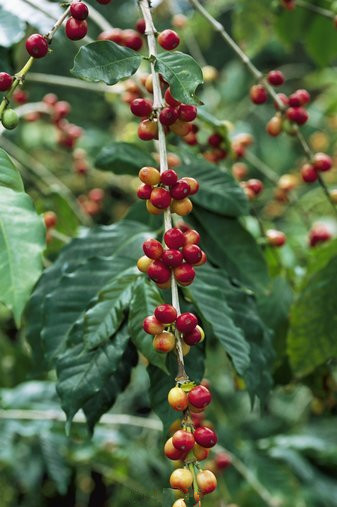
Bolivian coffee is grown at elevations ranging from 180 to 670 meters above sea level. These relatively low altitudes impact the coffee’s density and flavor development, often resulting in a milder cup profile compared to high-altitude coffees.
What does Bolivian coffee taste like?
Bolivian coffee is generally described as a ""—a term that suggests it works well in blends and has a balanced, non-complex flavor profile. It is not currently considered among the top specialty coffees, and some examples may have a slight bitterness.
How should Bolivian coffee be roasted?
It is recommended to roast Bolivian coffee beans to a medium or dark level. This roast range is thought to complement the inherent qualities of the beans and may help reduce any bitterness in the cup.
Which countries import Bolivian coffee?
Bolivia exports its washed Arabica coffee primarily to markets such as Germany and Sweden. These countries receive the bulk of Bolivia’s specialty-grade coffee output.
Is Bolivian coffee considered specialty grade?
While Bolivia produces washed Arabica coffee, it is not widely recognized as a top-tier or specialty-grade origin. The flavor profile is generally modest, and the country’s coffee is not currently among the most sought-after in the global specialty market.
What led to the growth of Bolivia’s coffee industry?
Bolivia’s coffee industry saw growth in the 1970s, particularly after the 1975 frost in Brazil, which damaged that country’s production. Bolivia benefited from the resulting global supply gap and expanded its coffee exports during that period.
Recommended FrontStreet Washed Process Coffee Beans
If you’re curious about washed-process coffees like those from Bolivia, try FrontStreet’s washed beans. The FrontStreet Kenya Little Tomato is a standout example of a washed coffee with vibrant fruit acidity, offering notes of tomato, blackcurrant, and pear, with a juicy body—great for exploring what clean processing can do. For a more floral and citrus-forward profile, the FrontStreet Gedeb Yirgacheffe showcases jasmine and bright orange notes thanks to its meticulous washing. Both are excellent representations of what skilled washed processing can achieve. Freshly roasted within 5 days · Orders placed before 17:00 ship the same day · Next-day delivery across most of Guangdong Province.
FrontStreet Coffee is a long-established specialty coffee roaster in Guangzhou China, selling freshly roasted beans from its own farm in Yunnan as well as dozens of carefully selected single-origin beans from around the world for both pour-over and espresso. The products deliver consistently excellent quality and great value, with shipping within 24 hours. Guangzhou's FrontStreet Coffee shop is recommended by many coffee lovers, and the beans are now available online at the Tmall 。
Important Notice :
前街咖啡 FrontStreet Coffee has moved to new addredd:
FrontStreet Coffee Address: 315,Donghua East Road,GuangZhou
Tel:020 38364473