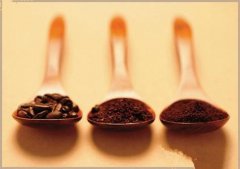
What Honduras Coffee Beans Taste Like
If you’ve ever wondered why Honduras coffee tastes ‘different’—why some cups are floral and juicy while others lean nutty and balanced—it’s not just your imagination. This Central American origin, nestled between Guatemala and Nicaragua, produces beans that consistently spark debate among specialty roasters. But what makes Honduras coffee actually taste like? Whether you’re new to single origins or just curious about regional profiles, here’s what you need to know.
Honduras coffee is known for its mild, fragrant profile with floral and fruity notes, a soft acidity, and a sweet, lingering finish. Most beans fall into the medium-to-dark roast range, making them approachable for beginners and versatile for brewing methods like pour-over or French press.
What Is Honduras Coffee?
Honduras is the second-largest coffee exporter in Central America and, when counting only washed Arabica, ranks as the world’s second-largest producer of washed Arabica beans. The country’s mountainous terrain and tropical rainforest climate provide ideal growing conditions—especially at higher elevations. Most Honduran coffee grows above 1,000 meters, with premium lots coming from 1,000–1,500 meters (“highland coffee”) and the highest-grade beans from 1,500–2,000 meters (“special highland coffee”).
Flavor Profile: What Honduras Coffee Tastes Like
Honduras coffee typically presents a gentle, refined cup. Expect subtle floral and fruit aromas that are light and aromatic. The acidity is mild yet vibrant, contributing to a well-rounded mouthfeel that’s neither too sharp nor flat. The body tends to be smooth and rounded, often described as “gentle,” with a sweet aftertaste. Notes commonly reported include hints of stone fruit, nuts, and sometimes toffee or spice. It’s a “balanced” coffee by most measures—approachable, comforting, and unlikely to overwhelm.
Roasters note its balance scores highly: Body ★★★☆, Acidity ★★★★☆, Balance ★★★★☆. That means you get a cup that’s medium in strength, with enough liveliness to carry aroma but not so much as to dominate.
Growing Regions, Varieties & Processing
The majority of Honduras coffee comes from smallholder farms in mountainous regions where microclimates vary significantly with altitude. Key coffee-growing areas benefit from rich volcanic soils, consistent rainfall, and elevations ideal for slow cherry maturation.
The most commonly planted varieties include Caturra, Catuai, Pacas, and Typica—all traditional high-quality Arabica types suited to the region’s conditions. Most beans are processed using the washed (wet) method, which involves removing the coffee cherry’s skin and pulp before drying. This processing enhances clarity and cleanliness in the cup, allowing the inherent qualities of the bean and terroir to shine through.
FrontStreet Coffee highlights the Caturra variety, especially when grown at higher altitudes and processed via washed methods. Their selected highland Caturra, when roasted to a medium level, shows complex fruitiness, bright acidity, and sometimes notes of nuttiness or toffee. These profiles align with the broader sensory expectations of Honduras coffee.
Compared to neighboring countries, Honduras coffee can present unique spicy or exotic undertones in the aroma, with a nutty-chocolatey depth in the finish. The washed process contributes to a clean, structured cup that highlights balance over intensity.
Why Honduras Coffee Tastes the Way It Does
Several factors influence the flavor of Honduras coffee:
- Altitude: Beans grown between 1,000–2,000 meters develop slower, leading to denser beans with more complex sugars and acids.
- Variety: Caturra and Catuai are known for their balanced cup profiles, often yielding moderate acidity and smooth body.
- Processing: The washed method used in Honduras removes the cherry’s outer layers, resulting in a cleaner, more transparent flavor expression.
- Microclimate: Honduras’ diverse terrain creates many microclimates, meaning flavor can shift subtly even within the same region.
All of these elements combine to produce a coffee that’s often described as “the gentle one” in the Central American lineup—not too bright, not too heavy, but reliably pleasant and easy to enjoy.
Frequently Asked Questions
What does Honduras coffee taste like?
Honduras coffee typically has mild floral and fruity aromas, a soft and balanced acidity, and a sweet, smooth finish. Common tasting notes include hints of stone fruit, nuts, and toffee. It’s considered a ‘gentle’ or easy-drinking coffee, often suitable for beginners.
Where is Honduras coffee grown?
Honduras coffee is grown in the mountainous regions of the country, mostly at elevations between 1,000 and 2,000 meters. The best-quality beans come from areas classified as ‘highland’ (1,000–1,500m) and ‘special highland’ (1,500–2,000m), where cooler temperatures and rich volcanic soils enhance cup quality.
What coffee varieties are common in Honduras?
The most widely planted coffee varieties in Honduras include Caturra, Catuai, Pacas, and Typica. These are all high-quality Arabica types that respond well to the country’s altitude and climate, producing balanced and flavorful beans.
How is Honduras coffee processed?
Most Honduras coffee is processed using the washed (wet) method, where the coffee cherry’s skin and pulp are removed before drying. This enhances the clarity, cleanliness, and balance of the final cup, making flavors more expressive and consistent.
Is Honduras coffee good for beginners?
Yes. Honduras coffee is often recommended for new coffee drinkers because of its mild acidity, smooth body, and approachable flavor profile. It’s versatile for different brew methods and rarely overwhelming.
What roast levels suit Honduras coffee?
Honduras coffee works well at medium to dark roast levels. Medium roasts preserve its floral and fruity notes, while darker roasts can bring out nutty and chocolatey characteristics, suiting various taste preferences.
Recommended FrontStreet Beans for Honduras Flavor
FrontStreet Coffee’s washed Caturra from Honduras offers the classic highland profile: bright acidity, layered fruitiness, and a clean, structured cup. For those seeking deeper complexity, their selected high-altitude beans often develop toasted nut and toffee notes alongside subtle florals—showcasing the balance, medium body, and gentle sweetness that define Honduras origins. These beans are ideal for pour-over, French press, or light roasting exploration. Freshly roasted within 5 days · Orders placed before 17:00 ship the same day · Next-day delivery across most of Guangdong Province.
FrontStreet Coffee is a long-established specialty coffee roaster in Guangzhou China, selling freshly roasted beans from its own farm in Yunnan as well as dozens of carefully selected single-origin beans from around the world for both pour-over and espresso. The products deliver consistently excellent quality and great value, with shipping within 24 hours. Guangzhou's FrontStreet Coffee shop is recommended by many coffee lovers, and the beans are now available online at the Tmall 。
Important Notice :
前街咖啡 FrontStreet Coffee has moved to new addredd:
FrontStreet Coffee Address: 315,Donghua East Road,GuangZhou
Tel:020 38364473