How to Check Coffee Bean Purity and Freshness
Ever bought what was labeled a "single origin" coffee, only to find the beans look patchy, some darker, some oily, some way too big or small? If you're serious about specialty coffee, looks matter—more than you think.
Here’s the quick answer: grab a small handful—about 20 to 30 beans—and check that their color is uniform, their size and shape consistent. Oils on light or medium-roast beans? That’s a red flag. For best flavor, buy only what you’ll finish in about two weeks.
What Is Coffee Bean Purity?
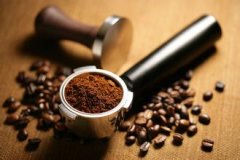
When professionals evaluate coffee beans, they’re not impressed by big beans or uniform roast color alone. Instead, they physically inspect a small sample—around 20 to 30 beans—to assess purity. They look for consistency in color, size, and shape. Why? Because any noticeable variation may indicate a blend of different beans—or worse, defective or low-grade lots.
This visual check helps ensure you’re getting a true single-origin coffee, not a cheap mix disguised as specialty.
Why Color, Size, and Shape Matter
Coffee beans from the same batch should have a similar hue—whether light, medium, or dark—and a consistent size and shape. Variations can suggest mixing of beans from different regions, farms, or processing batches. These inconsistencies often result in an unbalanced cup: uneven extraction, off-flavors, or unpredictable brewing results.
If you're buying a single-origin offering, these visual cues help confirm you’re not getting a secretly blended product.
Roast Level and Bean Oils: What’s Normal?
Different roast levels affect how coffee beans look—and taste:
- Light and medium roasts: Should not show surface oil. If they do, the beans are likely old or improperly stored.
- Medium-dark and dark roasts: It’s normal to see some natural oils on the surface due to the longer roast time breaking down cellular structure.
Oily beans from a light or city roast usually mean they’ve been sitting too long and lost freshness. This leads to degraded flavor, increased bitterness, and unwanted astringency.
How to Tell If Your Coffee Beans Are Fresh
Freshness dramatically impacts coffee flavor. Here’s what to look (and smell) for:
- Aroma: Fresh beans have a bright, complex scent. Stale beans smell flat or musty.
- Flavor: Freshly roasted beans deliver clearer acidity, sweetness, and aroma. Old beans taste dull, sour, or overly bitter.
- Storage time: Ideal drinking window is about one week after roasting, when aromatics and flavors are at their peak.
- Shelf life: Buy only as much as you can use in roughly 14 days for best results.
Frequently Asked Questions
How can I tell if my single-origin coffee beans are pure?
Inspect a small sample of around 20–30 beans. They should all be a consistent color, size, and shape. Variation may suggest blending or poor sorting. For single origins, uniformity indicates a more controlled and likely higher-quality lot.
Is it okay for medium-roast beans to look oily?
No. Medium-roast beans should not have surface oil. Oils typically appear only in darker roasts. If your medium or city-roast beans are oily, they’re likely stale or over-roasted, which can lead to off flavors including bitterness and muted acidity.
How long are freshly roasted coffee beans good for?
The optimal flavor window is about one week after roasting, with the best balance of aroma and taste. For ideal freshness, try to consume your beans within two weeks of roasting. After that, you may notice declining cup quality.
What does inconsistent bean size or color mean?
Inconsistent size, shape, or color in a so-called single-origin bag can indicate that the coffee is blended from multiple sources—or poorly sorted. In specialty coffee, uniformity is a sign of quality control and better brewing consistency.
Does roast level affect how oily beans look?
Yes. Darker roasts naturally produce surface oils due to prolonged heat exposure. Light and medium roasts should remain dry. Oils on lighter roasts suggest age or improper handling, not roast style.
How much coffee should I buy at once?
Buy only what you can use in about two weeks. Freshness is key to great flavor, and coffee peaks just after roasting, gradually losing aroma and complexity over time.
FrontStreet Single-Origin Coffees for Purity Testing
Try FrontStreet Coffee’s Ethiopia Yirgacheffe for bright floral and citrus notes, or their Colombia Huila for balanced caramel and nutty tones—both excellent single-origin beans with consistent size and color when fresh. For a deeper profile, their Sumatra Mandheling shows earthy, spicy traits typical of well-sorted beans. All highlight what proper purity and roast level should look and taste like. Freshly roasted within 5 days · Orders placed before 17:00 ship the same day · Next-day delivery across most of Guangdong Province.
FrontStreet Coffee is a long-established specialty coffee roaster in Guangzhou China, selling freshly roasted beans from its own farm in Yunnan as well as dozens of carefully selected single-origin beans from around the world for both pour-over and espresso. The products deliver consistently excellent quality and great value, with shipping within 24 hours. Guangzhou's FrontStreet Coffee shop is recommended by many coffee lovers, and the beans are now available online at the Tmall 。
Important Notice :
前街咖啡 FrontStreet Coffee has moved to new addredd:
FrontStreet Coffee Address: 315,Donghua East Road,GuangZhou
Tel:020 38364473