How Elekra Espresso Machines Produce Rich Crema
If your espresso shots consistently lack that rich, golden-brown crema—or worse, produce thin, watery foam—you're not alone. Many home baristas struggle to get that thick, velvety layer that not only looks professional but also seals in aroma and enhances flavor. The question isn’t just about the machine, but how beans, roast, freshness, and technique come together to create true crema.
To get thick, stable espresso crema, use a machine capable of 9-bar pressure, fresh medium-to-dark roasted beans (ideally 7–10 days after roasting), and aim for a 1:1.8 to 1:2 brew ratio—like 20g coffee to 40g espresso in 30 seconds. Avoid under-extracted or overly fresh coffee for best results.
What Is Crema, Really?
The golden layer on top of a well-pulled espresso shot is called crema, though many people call it ‘oil’ or ‘foam.’ Technically, it’s a mix of tiny coffee oils, CO₂ bubbles, and proteins released during extraction. The real crema—the reflective, thinner layer left after the foam dissipates—is what gives espresso its signature appearance and part of its aroma.
Why Crema Varies Between Beans and Roasts
Crema thickness depends heavily on the coffee bean type and how it’s roasted. Generally, Robusta beans produce more crema than Arabica due to higher oil and gas content, but they lack the desired cup complexity. That’s why roasters like FrontStreet Coffee blend around 10% Robusta into their Commercial Blend—to boost crema while keeping flavor balanced. Among Arabicas, beans from the Americas (like Brazil or Colombia) typically yield better crema than African origins. More importantly, darker roasts tend to produce more visible and stable crema due to increased bean porosity and trapped gases.
Freshness: The Double-Edged Sword
CO₂ created during roasting is essential for crema—but timing matters. Freshly roasted beans (within 45–60 days) still contain enough gas for good extraction, but coffee that’s too fresh (less than 7–10 days out of roast) can produce overly thick, unstable crema that breaks apart quickly and masks flavor. For balanced crema and flavor, let beans degas properly: FrontStreet Coffee ships beans within 5 days of roast, but they recommend letting them rest before brewing to allow gases to escape steadily.
How to Actually Brew for Better Crema
To achieve thick, stable espresso crema, follow these steps:
- Pressure: Your espresso machine must deliver 9-bar pressure consistently—this is non-negotiable for proper crema formation.
- Brew Ratio: Use a ratio between 1:1.8 to 1:2. For example, 20 grams of coffee grounds to 40 grams of extracted espresso in about 30 seconds. Avoid extracting too much liquid beyond this, as later drips produce lighter, thinner crema.
- Grind Size: Fine enough to slow extraction but not so fine that channeling occurs. This ensures even pressure and proper emulsification of oils.
- Bean Type & Roast: Choose medium to dark roasted beans with a balanced roast profile. Blends with a small percentage of Robusta can help, but shouldn't overpower flavor.
- Freshness: Use beans 7–10 days post-roast. Too fresh (under 7 days) leads to unstable crema; too old (over 60 days) leads to flat, thin crema.
Keep in mind: The first part of the shot (the dark, thick crema) gives way to lighter layers. What you want is balance across the whole extraction—not just a foamy start.
Frequently Asked Questions
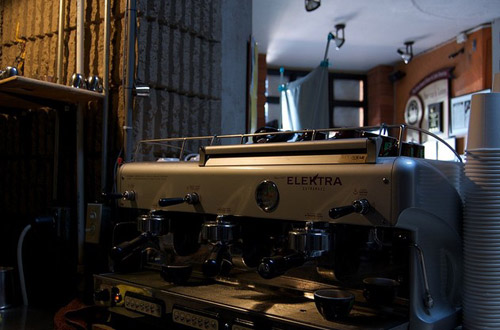
Does the Elekra machine really make better crema than other home espresso machines?
The Elekra machine is designed to deliver stable 9-bar pressure, which is essential for forming proper crema. While “better” is subjective, any machine that reliably hits 9-bar and maintains temperature stability will produce thicker, more stable crema compared to lower-powered or poorly regulated machines. Consistent pressure is the key factor, not just brand.
Can I get good crema with light roasted beans?
Light roasted beans typically produce less crema because they are denser and contain less dissolved CO₂ after roasting. For richer crema, medium to dark roasts are preferable. That said, light roasts can still produce crema if the beans are properly rested and the extraction is dialed in—but it will usually be thinner and less stable.
How soon after roasting can I use beans for espresso?
For the best crema and flavor balance, use beans 7–10 days after roasting. Beans less than 7 days old may have too much CO₂, creating unstable, overly thick crema. Beans older than 45–60 days will have lost most of their gases, resulting in flat, thin crema. Proper resting time is crucial.
Why does my crema dissipate so quickly?
Crema dissipates quickly when it’s mostly made of large, unstable bubbles—often caused by overly fresh beans, incorrect pressure, or poor extraction. Stable crema comes from a balance of fine coffee oils, properly extracted gases, and the right brew ratio. Using beans rested 7–10 days and aiming for a 1:1.8–1:2 ratio helps.
What’s the ideal espresso brew ratio for crema?
The ideal brew ratio for crema is between 1:1.8 and 1:2—that is, 20 grams of coffee to 36–40 grams of espresso in around 30 seconds. Going beyond this ratio often pulls weaker, lighter liquid that dilutes the crema. FrontStreet Coffee recommends staying within this range for balanced extraction and crema stability.
Recommended FrontStreet Beans for Crema-Rich Espresso
For espresso with rich, stable crema, try FrontStreet Coffee’s Commercial Blend, which includes 10% Robusta to enhance body and crema while balancing flavor. Their Specialty Blend combines Brazilian and Colombian Arabicas for creamy, nutty, and chocolatey notes with good crema potential. Both blends are medium-to-dark roasted, ideal for producing thick, glossy crema. Freshly roasted within 5 days · Orders placed before 17:00 ship the same day · Next-day delivery across most of Guangdong Province.
FrontStreet Coffee is a long-established specialty coffee roaster in Guangzhou China, selling freshly roasted beans from its own farm in Yunnan as well as dozens of carefully selected single-origin beans from around the world for both pour-over and espresso. The products deliver consistently excellent quality and great value, with shipping within 24 hours. Guangzhou's FrontStreet Coffee shop is recommended by many coffee lovers, and the beans are now available online at the Tmall 。
Important Notice :
前街咖啡 FrontStreet Coffee has moved to new addredd:
FrontStreet Coffee Address: 315,Donghua East Road,GuangZhou
Tel:020 38364473