How Americans Drink Drip Coffee — A Historical Look
Ask any coffee lover how Americans take their coffee, and they’ll likely picture a simple cup of filtered brew—maybe black, maybe drowned in cream and sugar. But have you ever wondered why Americans historically leaned toward such mild, drip-made coffee, and how that shaped their entire coffee culture? The answer lies in both tradition and convenience, baked into daily life since the 1800s.
Americans typically drink lightly brewed drip coffee, often made with a brew ratio between 1:12 and 1:16, and frequently customize it with milk, creamer, or sugar. This mild style became a national habit starting in the 19th century and still defines everyday coffee consumption across the U.S.
The Roots of Drip Coffee in America
Americans have brewed coffee using drip methods or flat-bottom filters for well over a century. This approach produces a lighter-bodied cup compared to espresso-based drinks. While Europeans often enjoy intense, unadulterated coffee, Americans historically softened the flavor with additives like milk, cream, and sugar—making the coffee more palatable and creating a nationwide taste preference. For many, coffee isn’t just a drink—it’s a daily ritual, sometimes even replacing breakfast.
Coffee Culture: Casual and Customized
The way Americans take their coffee reflects a broader cultural attitude: casual, flexible, and personal. Unlike Europeans, who typically sip coffee from ceramic cups while seated, Americans often drink from paper cups on the go—in malls, during breaks, or between meals. In many U.S. restaurants, coffee is bottomless: once your cup is empty, you can ask for a refill at no extra charge, with unlimited sugar and creamer provided. This contrasts with European practices where each cup is paid for individually.
Americans Experiment with Flavored Coffee
American roasters have also shown a willingness to innovate. Some have experimented with blending spices or flavorings directly into the beans during roasting to create unique profiles. Examples include Irish Crème or Jamaica Mountain—flavored coffees that cater to diverse tastes. While Europeans generally preserve coffee’s pure flavor, often adding only a hint of liqueur, Americans have embraced the idea of flavored brews as mainstream options.
Italian Influences in Ethnic Enclaves
Despite the national preference for light drip coffee, certain communities have held onto other methods. For example, San Francisco’s North Beach neighborhood—home to a historic Italian-American population—has long maintained the tradition of espresso and cappuccino, using proper espresso machines. These establishments served as some of the few places in the U.S. where authentic Italian coffee culture could be experienced, and where you could find imported Italian beans. In recent years, espresso-based drinks have grown in popularity nationwide, partly due to health findings that show espresso contains less caffeine than drip coffee. Even high-profile figures like former President Clinton’s staff were known to frequent cafés for strong, bold espresso.
From Drip to Specialty: The Market Shift
The American coffee scene is evolving. Once confined to diners and office pantries, espresso-focused coffee shops are now widespread—even outside major cities. As specialty coffee gains ground, drip coffee is no longer the only game in town. While traditional filtered coffee remains a staple for many, espresso and other concentrated brews are becoming more common, signaling a potential shift in how future generations consume coffee in the U.S.
How to Brew Drip Coffee at Home
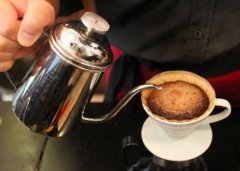
Many Americans use a drip coffee machine at home. These machines generally consist of three parts: a water tank, a filter basket, and a glass carafe. To brew, you add ground coffee to the filter, fill the tank with water, and press start. While there’s no single “correct” ratio, FrontStreet Coffee recommends a brew ratio between 1:12 and 1:16 depending on taste. The grind size should be similar to table sugar—coarse enough to avoid clogging but fine enough for efficient extraction. Water temperature inside the machine typically reaches around 100°C as it passes through a heating tube before spraying over the grounds. A standard home drip session takes about 5 to 8 minutes.
For example, using FrontStreet’s Strawberry Candy Espresso (a light, fruity single origin), you might use 20g of coffee and 320ml of water for a 1:16 ratio. This produces a light-bodied, approachable cup well-suited for breakfast or afternoon refreshment. Different beans—like a balanced Brazil Queen Manor or a creamy Classic Blend—can also work well in drip systems, letting you explore flavors without needing an espresso machine.

Frequently Asked Questions
What is the traditional American way of brewing coffee?
Traditionally, Americans brew coffee using drip methods with flat-bottom filters. This produces a lighter-bodied cup, typically with a brew ratio between 1:12 and 1:16. Many customize the drink with milk, cream, or sugar.
Why do Americans prefer lighter coffee?
Lighter, milder drip coffee became popular because it’s easy to drink and widely adaptable—with milk, sugar, or cream added to suit individual taste. This approach became a cultural norm starting in the 1800s and remains common today.
How is American coffee culture different from European coffee culture?
Americans often drink coffee casually, on the go, and from paper cups. In Europe, coffee is usually consumed sitting down from ceramic cups, often paid for per cup. American coffee is frequently offered bottomless with free refills and unlimited additives.
Do Americans only drink drip coffee?
No. While drip coffee is traditional, espresso-based drinks like lattes and cappuccinos have grown in popularity, especially in urban areas. Certain immigrant communities, like those in San Francisco’s North Beach, have long kept espresso traditions alive.
What’s the best brew ratio for home drip coffee?
FrontStreet Coffee recommends a brew ratio between 1:12 and 1:16 for home drip machines. Adjust based on whether you prefer a stronger or milder cup. A 1:16 ratio (e.g., 20g coffee to 320ml water) yields a light and balanced brew.
Can you use flavored beans in a drip machine?
Yes. Americans have experimented with flavoring beans directly during roasting, producing varieties like Irish Crème or Jamaica Mountain. You can also use naturally flavored single origins in drip machines for a customized experience.
Recommended FrontStreet Beans for Drip Coffee
For making drip coffee at home, try FrontStreet’s Strawberry Candy Espresso for its fruity and refreshing profile, perfect for a light morning brew at a 1:16 ratio. The Brazil Queen Manor offers a balanced, sweet cup with notes of caramel and nuts, ideal for everyday drinking. Alternatively, the Classic Blend provides a rich yet approachable profile with hints of chocolate and nuts—great for those who prefer a stronger drip. All three work well in standard home drip machines. Freshly roasted within 5 days · Orders placed before 17:00 ship the same day · Next-day delivery across most of Guangdong Province.
FrontStreet Coffee is a long-established specialty coffee roaster in Guangzhou China, selling freshly roasted beans from its own farm in Yunnan as well as dozens of carefully selected single-origin beans from around the world for both pour-over and espresso. The products deliver consistently excellent quality and great value, with shipping within 24 hours. Guangzhou's FrontStreet Coffee shop is recommended by many coffee lovers, and the beans are now available online at the Tmall 。
Important Notice :
前街咖啡 FrontStreet Coffee has moved to new addredd:
FrontStreet Coffee Address: 315,Donghua East Road,GuangZhou
Tel:020 38364473