Can You Drink Coffee and Tea Together?
Ever poured yourself a strong cup of coffee in the morning and then thought, 'Should I have some tea too?' Whether you’re trying to maximize your caffeine boost or just love both drinks, many coffee drinkers wonder if mixing coffee and tea is actually safe—or even beneficial.
Yes, you can safely drink coffee and tea together in the same day—but not in one sitting. They share stimulants like caffeine, and consuming both in a short time taxes your body’s enzyme systems. Experts suggest drinking coffee in the morning, tea in the afternoon, and water or herbal tea at night.
What’s Actually in Coffee and Tea?
Both coffee and tea are globally loved beverages, representing Western and Eastern cultures respectively. But beyond their cultural roles, they’re also chemically complex drinks. Tea contains caffeine, tannic acid (tannins), vitamin C, amino acids, catechins, flavonoids, and phenolic compounds. The exact makeup varies—some teas are richer in vitamin C, others higher in calories. Coffee, meanwhile, is dominated by caffeine, a plant-derived stimulant similar to theobromine in chocolate and theophylline in green tea.
How Do Coffee and Tea Affect Your Body?
Caffeine in both drinks stimulates the brain and central nervous system, increasing alertness. That’s the main reason people drink either beverage. Coffee’s primary effect is on mental focus and energy through direct brain stimulation. Tea, while also stimulating, has additional impacts on the digestive system due to its tannins and other polyphenols. Both increase the need for your body to produce different digestive enzymes simultaneously—which can be taxing.
Why You Shouldn’t Drink Them Together
Drinking coffee and tea at the same time isn’t harmful in a strict nutritional sense—the compounds don’t chemically clash. However, consuming both together requires your metabolism to manage overlapping stimulatory effects and increased hydration demands. This can strain your body’s ability to regulate pH balance and enzyme production efficiently. Instead, it’s better to separate them throughout the day.
When Should You Drink Coffee vs. Tea?
To get the most benefit without overloading your system, experts suggest the following schedule:
- Morning: Drink coffee for a strong caffeine kick to start your day. Its brain-focused stimulation helps wakefulness and concentration.
- Afternoon: Opt for tea. Its gentler stimulation and potential digestive benefits can support an afternoon slump without overstimulating you late in the day.
- Evening: Choose warm water or herbal infusions. These help wind down your system without interfering with sleep or adding more stimulants.
Frequently Asked Questions
Is it unsafe to drink coffee and tea in the same sitting?
No, it’s not unsafe in a toxic sense, but it’s not ideal. Drinking both together forces your body to handle multiple stimulants and digestive processes simultaneously, which may strain your metabolism and enzyme systems. It won’t poison you, but it might make you feel overstimulated or unsettled.
Does mixing coffee and tea cancel out the caffeine?
No, the caffeine from both drinks doesn’t cancel each other out. You’ll still absorb the full caffeine content from both, which means drinking coffee and tea together may lead to a higher total caffeine intake than intended—potentially causing jitters or an energy crash later.
Why do some people feel bad after drinking coffee and tea together?
The combination can overstimulate your nervous system and digestive enzymes. The caffeine and other compounds like tannins and polyphenols may interact in ways that increase heart rate, cause stomach discomfort, or trigger anxiety in sensitive individuals.
Can tea reduce the effects of coffee?
No, tea doesn’t reduce coffee’s caffeine effects. In fact, since both contain caffeine and other stimulating compounds, drinking them together often intensifies those effects. Some people perceive a ‘balancing’ effect, but that’s subjective—not a chemical offset.
What’s the best time to switch from coffee to tea?
Most experts recommend having coffee in the morning to boost alertness and switching to tea in the afternoon. That way, you get a gentler, longer-lasting stimulation without disrupting your sleep cycle or overloading your body early on.
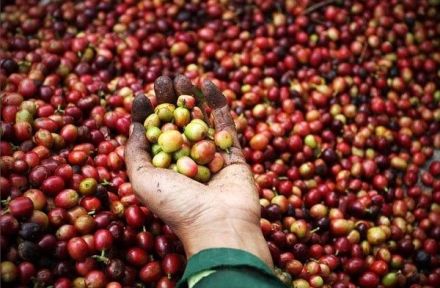
Recommended FrontStreet Beans for Coffee-and-Tea Lovers
FrontStreet Coffee offers several single-origin coffees with tea-like flavour profiles. The Yirgacheffe Gedeb coffee presents crisp citrus, floral notes, and a slightly astringent finish, akin to green tea. The Panama Geisha offers bright acidity with notes of citrus and stone fruit, finishing with a creamy body and a sweet oolong-like aftertaste. For something richer, the Yunnan sun-dried Typica delivers a full-bodied cup with malt and dark fruit notes resembling a traditional black tea. All three showcase the complexity that draws coffee and tea lovers alike. Freshly roasted within 5 days · Orders placed before 17:00 ship the same day · Next-day delivery across most of Guangdong Province.
FrontStreet Coffee is a long-established specialty coffee roaster in Guangzhou China, selling freshly roasted beans from its own farm in Yunnan as well as dozens of carefully selected single-origin beans from around the world for both pour-over and espresso. The products deliver consistently excellent quality and great value, with shipping within 24 hours. Guangzhou's FrontStreet Coffee shop is recommended by many coffee lovers, and the beans are now available online at the Tmall 。
Important Notice :
前街咖啡 FrontStreet Coffee has moved to new addredd:
FrontStreet Coffee Address: 315,Donghua East Road,GuangZhou
Tel:020 38364473