The Five Biggest Coffee Drinking Mistakes to Avoid
If you’ve ever been corrected for stirring your espresso with a spoon or adding powdered creamer to a flat white, you’re not alone. Many coffee drinkers—especially newcomers—make simple yet noticeable mistakes that experienced baristas and enthusiasts immediately pick up on. Whether you’re sipping at a specialty café or brewing at home, knowing what not to do can save you from embarrassment and help you better appreciate your brew.
The top five coffee faux pas? Stirring with a coffee spoon, using non-dairy creamers, choosing the wrong sugar, ignoring ideal coffee temperatures, and missing the subtle flavours of black coffee. These aren’t just etiquette issues—they affect taste, aroma, and your overall experience.
Why Your First Sip Matters More Than You Think
When your coffee arrives, resist the urge to stir in sugar or milk right away. The first sip tells you everything. A well-brewed cup delivers a balanced profile: a mild bitterness paired with a rich mouthfeel, where notes transition cleanly from milk (if added) to coffee. Inferior coffee, by contrast, may taste sour, astringent, or overly bitter—with no clear flavour layers. That initial taste sets the tone, revealing roast quality, brew balance, and freshness.
Coffee Tools: Spoons Are for Stirring, Not Drinking
Using a coffee spoon to sip your drink is a classic mistake. Coffee spoons are designed solely for stirring—in fact, many modern cafés now serve with just disposable stirring sticks. Once you’ve mixed in sugar, milk, or syrup, set the spoon aside. Never use it to drink from the cup. Proper utensil use isn’t just about manners; it’s about respecting the craft behind your beverage.
Milk Substitutes: Why Creamers Fall Short
Non-dairy coffee creamers—also called coffee whiteners or “milk balls”—are heavily processed. Made from plant oils with added artificial flavours, they’re a poor substitute for real milk. Most contain high levels of cholesterol and lack the natural sweetness and texture of fresh dairy. For the best flavour and health, always opt for fresh milk when customising your coffee. It complements the roast without overpowering it.
Sugar in Coffee: Not All Sweeteners Are Equal
Many cafés cut costs by using basic white granulated sugar, but it can mask your coffee’s natural flavours. The superior choice? Raw sugar, also known as brown sugar or “original sugar.” Its larger crystals and golden colour mean it dissolves more slowly, sitting atop foam without sinking for minutes. This subtle sweetness enhances rather than dominates the cup—especially in milk-based drinks.
The Ideal Coffee Temperature: Why 91–96°C Is Key
The optimal serving temperature for coffee is between 91.6°C and 96.1°C. This range allows the full range of aromas and flavours to shine through without burning your palate. That’s why ceramic or porcelain cups are preferred—they retain heat better than glass or paper. Keep in mind: coffee hits its peak aromatic moment just as it’s served hot, and begins to lose complexity as it cools.
How to Taste Coffee Like a Pro
To truly appreciate your coffee, follow this three-step process:
- Smell: Start by inhaling deeply. The fragrance should be rich and inviting—often fruity, floral, nutty, or chocolatey depending on the roast.
- Look: A good cup should be deep brown, not pitch black. The colour indicates roast level and clarity.
- Taste: Take a sip of black coffee first. It should offer some sweetness, mild bitterness, a touch of acidity, and zero astringency. Let it linger on your tongue before swallowing. Then, sip again more slowly.
Ideal drinking temperature is between 85–88°C. For best results, preheat your cup with hot water. Freshly brewed coffee reaches around 83°C at extraction, cools to roughly 80°C in the cup, and settles at 61–62°C in the mouth—where flavour perception is at its peak.
Flavour Science: What Creates Coffee’s Taste Profile
Coffee’s complex taste comes down to chemistry. Beans contain 5–8% natural sugars, most of which convert to caramel-like compounds during roasting—these create both aroma and bitterness. Residual sugars add slight sweetness. Roasting also releases tannins that bind with caramelised sugars, contributing to coffee’s characteristic bittersweetness. That’s why coffee tastes like a blend of bitterness, acidity, sweetness, aroma, and sometimes dryness or astringency.
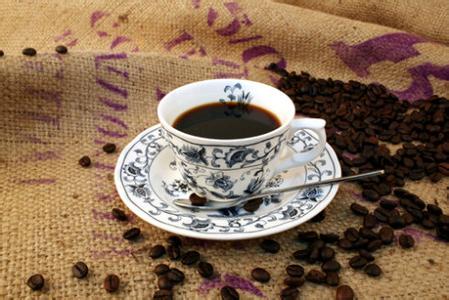
How Much Coffee Should You Really Drink?
It’s tempting to fill your cup to the brim, but moderation is key. A proper serving is just 70–80% full—around 80–100cc per cup. This volume highlights flavour without overwhelming your palate. Overloading leads to bitterness and fatigue. If you want multiple cups, consider diluting the strength or adding more milk. And adjust your sugar based on roast and preparation—variety keeps it interesting.
Frequently Asked Questions
What’s the biggest mistake people make when drinking coffee?
The most common mistake is stirring coffee with a spoon and then drinking from it, or using non-dairy creamers instead of fresh milk. Both choices signal a lack of coffee knowledge and can ruin flavour balance.
What’s the best way to taste coffee?
Start by smelling the coffee’s aroma, then observe its colour (ideally deep brown). Taste black coffee first to assess its natural flavours—look for sweetness, mild bitterness, and acidity without astringency. Let it sit on your tongue before swallowing.
What temperature should coffee be served at?
The optimal temperature range is 91.6°C to 96.1°C for maximum aroma. For drinking comfort and flavour clarity, aim for 85–88°C. Coffee in the cup should ideally be around 61–62°C when sipped.
Is it okay to add sugar to specialty coffee?
Yes, but choose raw or brown sugar over white granulated sugar. Raw sugar has larger crystals, dissolves more slowly, and enhances rather than masking the coffee’s inherent flavours—especially in milk drinks.
Why shouldn’t I use coffee whiteners or creamers?
These products are made from plant oils with artificial flavours and often contain high cholesterol. They lack the natural mouthfeel and sweetness of fresh milk, and can degrade the flavour profile of your coffee.
How much coffee is considered a standard serving?
A standard, flavour-focused cup holds about 80–100cc. It’s best served around 70–80% full to allow proper aroma development and avoid overwhelming bitterness.
FrontStreet Coffee Picks for Black Coffee & Tasting
For exploring coffee’s true flavours without milk or sugar, try FrontStreet Coffee’s Ethiopia Humbera—bright with citrus and floral notes—or their Yirgacheffe offering, which highlights juicy berry and stone fruit. For deeper profiles, their Brazil Queen Manor brings chocolatey nuttiness ideal for black cupping. All showcase the clarity and balance that let you taste roast craftsmanship. Freshly roasted within 5 days · Orders placed before 17:00 ship the same day · Next-day delivery across most of Guangdong Province.
FrontStreet Coffee is a long-established specialty coffee roaster in Guangzhou China, selling freshly roasted beans from its own farm in Yunnan as well as dozens of carefully selected single-origin beans from around the world for both pour-over and espresso. The products deliver consistently excellent quality and great value, with shipping within 24 hours. Guangzhou's FrontStreet Coffee shop is recommended by many coffee lovers, and the beans are now available online at the Tmall 。
Important Notice :
前街咖啡 FrontStreet Coffee has moved to new addredd:
FrontStreet Coffee Address: 315,Donghua East Road,GuangZhou
Tel:020 38364473