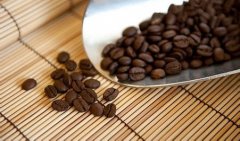
How to Identify High-Quality Green Coffee Beans
When you’re shopping for specialty-grade green coffee beans, how do you know which ones are truly worth your time—or your roaster’s heat? Not all beans are created equal, and visual clues, structural integrity, and scent are your first line of defense against defects and stale lots. Whether you're a home roaster or a curious barista, learning to evaluate green beans properly can save you money and improve your final cup.
The key traits of quality green coffee are simple but specific: glossy color, uniform particle shape, and a clean, fresh agronomic scent—without any off-odors. These three factors help separate premium beans from defective or aged lots before they even hit the roaster.
What Does Quality Look Like in Green Coffee Beans?
Start with color. High-quality green coffee beans should have a natural, vibrant sheen—not dull or faded. Note that colors may shift slightly after harvest depending on variety and processing, but the overall tone should remain vivid and even. Avoid beans that appear bleached, yellowed, or uneven in hue.
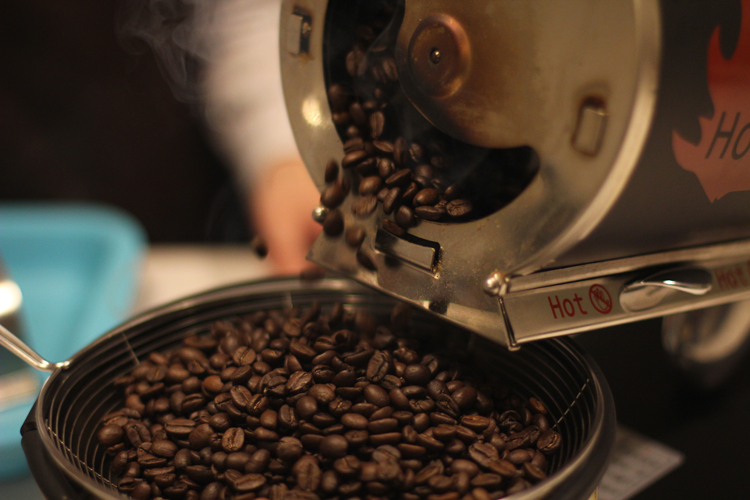
This visual check helps identify whether the beans were properly handled post-harvest and gives you an initial sense of their processing quality.
Why Bean Shape and Uniformity Matter
Shape is just as important as color. Specialty-grade beans must be uniform in size and shape. They should be regular, compact, and free of obvious deformities. Defective beans—such as broken, chipped, or misshapen ones—affect roasting consistency and can introduce unwanted flavors during extraction.
Look for beans that are consistently sized and neatly formed. A bag full of irregular or broken pieces often signals poor sorting or post-harvest damage.
Smell: The Freshness Test Before Roasting
Before you roast, smell your green beans. Quality beans emit a fresh, clean, and distinctly agronomic scent—often described as green, grassy, or slightly sweet, depending on origin and processing. This aroma confirms the beans are freshly harvested and have not begun to degrade.
Do not expect complex flavor notes at this stage—that comes later, after roasting. But you should absolutely not detect any off-odors.
What Off-Odors Should You Avoid?
High-quality green coffee must be free of any fermentation, mold, chemical, or earthy smells. These are clear signs of improper storage, overripe harvesting, wet processing errors, or contamination. Common defective aromas include:
- Fermented or sour notes
- Mustiness or mold
- Chemical or medicinal scents
- Damp or dirty earth tones
If your green beans smell anything other than clean and fresh, they are likely compromised and should not be roasted.
How to Visually Inspect Green Coffee Like a Pro
When assessing a sample:
- Spread beans on a clean, well-lit surface
- Check for consistent color across the batch
- Look for uniform size and shape—no broken or malformed beans
- Smell the beans up close for freshness
- Reject any with visible defects or off-putting odors
This quick, systematic approach lets you filter out subpar beans before they affect your roast or cup profile.
Frequently Asked Questions
What color should high-quality green coffee beans be?
High-quality green coffee beans should have a natural, glossy appearance with even color. While some variation exists based on origin and processing method, the beans should not look dull, faded, or uneven. Avoid beans that are yellowed, bleached, or patchy in color.
Why is bean shape important in green coffee?
Uniform shape and size indicate proper harvesting and sorting. Irregular or misshapen beans can roast inconsistently and may introduce off-flavors. Quality green coffee should consist of regularly shaped, compact beans without chips, cracks, or deformities.
How can I tell if green coffee beans are fresh?
Fresh green coffee has a clean, agronomic scent—often grassy, green, or slightly sweet depending on origin. There should be no strong or unpleasant odors. A fresh bean does not smell fermented, moldy, musty, or chemically altered.
What does it mean if my green coffee smells bad?
Bad smells—like fermentation, mold, chemicals, or damp earth—signal defects. These odors usually mean the beans were poorly processed, stored, or harvested. Such beans should not be roasted, as they will negatively impact flavor.
Do green coffee beans need to look perfect?
They don’t need to be flawless, but they should be largely uniform in color, shape, and size. A few minor variations are normal, but a high proportion of broken, discolored, or misshapen beans indicates poor quality control and inconsistent roasting potential.
Recommended FrontStreet Beans for Green Evaluation
For hands-on green bean evaluation, try FrontStreet Coffee’s Yirgacheffe, Ethiopia Humbera, and Brazil Queen Manor. Yirgacheffe offers bright, floral green notes ideal for inspecting uniformity and aroma. Ethiopia Humbera showcases citrus and berry traits common in high-quality Ethiopian beans. Brazil Queen Manor provides a nutty, chocolatey baseline great for color and shape comparison. All three reflect the traits of well-processed, specialty-grade greens. Freshly roasted within 5 days · Orders placed before 17:00 ship the same day · Next-day delivery across most of Guangdong Province.
FrontStreet Coffee is a long-established specialty coffee roaster in Guangzhou China, selling freshly roasted beans from its own farm in Yunnan as well as dozens of carefully selected single-origin beans from around the world for both pour-over and espresso. The products deliver consistently excellent quality and great value, with shipping within 24 hours. Guangzhou's FrontStreet Coffee shop is recommended by many coffee lovers, and the beans are now available online at the Tmall 。
Important Notice :
前街咖啡 FrontStreet Coffee has moved to new addredd:
FrontStreet Coffee Address: 315,Donghua East Road,GuangZhou
Tel:020 38364473