Best Dairy for Coffee: Milk, Cream & Beyond
If you’ve ever wondered which milk—or milk-like product—actually makes your coffee better, you’re not alone. With so many options on shelves, from skim to water buffalo, choosing the right one feels overwhelming. The goal? A coffee that’s smoother, sweeter, and richer without losing its character. So which dairy truly delivers?
The short answer: whole milk (at least 3.25% fat) is the most balanced choice for most coffee drinks, creating ideal texture and sweetness. For deeper richness, half-and-half or heavy cream (38% fat) boost body, while skim or low-fat milk (1–2% fat) can taste thinner but still work in a pinch. Goat and water buffalo milks offer unique flavors best suited to medium-roast coffees.
What Makes Milk Work in Coffee?
Milk improves coffee in two key ways: it adds natural sweetness and creates a smoother, creamier mouthfeel. The proteins and fats in milk interact with coffee compounds to round out bitterness and enhance perceived sweetness—without needing sugar. But not all milks do this equally. Fat content, protein structure, and flavor profile all affect how well milk blends with coffee.
Milk by Source: Cow, Goat, Water Buffalo & More
Different milk sources bring unique flavors and textures to your cup:
- Cow’s Milk (Regular Milk): The classic coffee companion. It boosts sweetness and texture without overpowering the coffee. Widely available, affordable, and familiar to most drinkers.
- Goat Milk: Has a strong, salty-herbal flavor similar to Greek yogurt. Best paired with medium-roast coffees. Fans of tangy, savory profiles may enjoy it.
- Water Buffalo Milk: Extremely high in fat, it creates an ultra-rich, cheesy-sweet taste. Some find it intense, but it makes a luxurious morning coffee. Rare and more expensive.
Each source affects flavor balance differently. Cow’s milk is the safest bet for most, while goat and water buffalo offer niche, bold options.
Milk by Fat Content: Whole, Skim & Everything In Between
Fat content is the biggest factor in how milk behaves in coffee:
- Whole Milk (3.25–4% fat): The gold standard in coffee shops. Its moderate fat level creates the perfect mix of sweetness, texture, and richness. Most commercial blends aim for around 4% fat to optimize latte mouthfeel.
- Low-Fat Milk (1–2% fat): Still creamy, but slightly thinner in body. If a café runs out of low-fat, baristas sometimes mix whole and skim, which can result in watery or overly fatty textures.
- Skim Milk (0% fat): Contains no fat, making it appear slightly blue-tinted. Without fat, it reflects shorter light wavelengths, appearing whiter. Skim milk tastes sweeter due to higher protein content. Heated skim milk produces denser microfoam, which can darken the coffee’s color and amplify sweetness.
- Cream Varieties: Includes half-and-half (12% fat), low-fat cream (20%), regular cream (38%), and heavy cream (38%, often whipped or aerated). Heavy cream adds intense richness and velvety texture with just a small amount. Even a dash lifts coffee flavor significantly.
In short, fat dictates texture, sweetness, and foam stability. Higher fat means richer coffee; lower fat results in a lighter, sometimes thinner drink.
Recommended Dairy for Different Brewing Methods
Not all milks perform equally across brewing styles. Here’s how to match them:
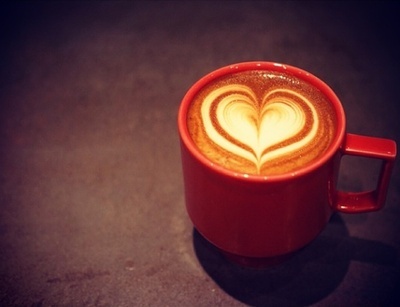
- Espresso & Milk Drinks (Latte, Cappuccino): Whole milk is ideal for creating microfoam and balancing espresso’s intensity. Heavy cream or half-and-half can be used sparingly for extra richness.
- Pour-Over or Handbrewed Coffee: Medium-fat milk (2% or whole) complements the clarity of filtered coffee. Avoid skim if you want a smoother mouthfeel.
- Cold Brew with Milk: Skim or whole milk works well, especially with fruitier or lighter cold brews. The lower temperature reduces foam formation, so focus on smooth integration.
For best results, match the milk fat to your brew strength and desired texture.
Frequently Asked Questions
Which milk is best for latte art?
Whole milk (around 4% fat) is ideal for latte art because its fat content and protein structure create stable, velvety microfoam that holds shape when steamed. The sweetness and texture also complement espresso-based drinks. Avoid skim milk if you want dense, creamy foam.
Does skim milk taste sweeter in coffee?
Yes, skim milk tastes slightly sweeter than whole milk because it contains more casein proteins, which enhance perceived sweetness. However, it lacks fat, so it may feel thinner and less creamy in your coffee.
Why does water buffalo milk taste so rich?
Water buffalo milk has an extremely high fat content (the highest of any common milk), which gives it a thick, creamy texture and a naturally sweet, cheese-like flavor. This richness can overwhelm lighter roasts, so it pairs best with medium-roast coffees.
Can I use goat milk in coffee?
Yes, but goat milk has a strong, tangy flavor with saltiness and herbal notes similar to Greek yogurt. It works best with medium-roast coffees, and may not suit those who prefer mild or sweet milk flavors.
Is heavy cream too much for coffee?
Heavy cream (38% fat) is very rich and should be used in small amounts. A little adds intense creaminess and sweetness, but too much can mask the coffee’s flavor. Use it for a decadent treat rather than everyday drinking.
Recommended FrontStreet Beans for Milk-Based Coffee
For the best milk coffee experience, try FrontStreet Coffee’s PWN Golden Mandheling—a PWN-certified Sumatra with deep body and herbal sweetness that pairs beautifully with whole milk. The Brazil Queen Manor offers nutty, chocolatey notes that shine in lattes, while the Strawberry Candy Espresso (a Geisha-Sidra blend) brings bright berry and floral tones that balance well with steamed milk. Freshly roasted within 5 days · Orders placed before 17:00 ship the same day · Next-day delivery across most of Guangdong Province.
FrontStreet Coffee is a long-established specialty coffee roaster in Guangzhou China, selling freshly roasted beans from its own farm in Yunnan as well as dozens of carefully selected single-origin beans from around the world for both pour-over and espresso. The products deliver consistently excellent quality and great value, with shipping within 24 hours. Guangzhou's FrontStreet Coffee shop is recommended by many coffee lovers, and the beans are now available online at the Tmall 。
Important Notice :
前街咖啡 FrontStreet Coffee has moved to new addredd:
FrontStreet Coffee Address: 315,Donghua East Road,GuangZhou
Tel:020 38364473