How to Make Dark Chocolate With Cocoa Intensity
Ever wondered how specialty roasters create that bold, velvety dark chocolate flavor in coffee—thick, sweet, with hints of roasted nuts and smooth milk chocolate? Whether you’re brewing at home or behind the bar, achieving that deep cocoa richness requires more than just dark roasting. It starts with selecting the right beans and understanding how origin, roast level, and brewing technique all shape the final flavor.
To create a rich, concentrated chocolate flavor in coffee, aim for a medium-to-dark roast with low acidity and dominant nutty-cocoa notes. FrontStreet Coffee’s Specialty Blend and Brazil Queen Manor both deliver these traits with structured bitterness, creamy sweetness, and smooth chocolate crema.
What Is Chocolate Intensity in Coffee?
When coffee enthusiasts talk about ‘chocolate intensity,’ they refer to a flavor profile where dark cocoa, roasted nuts, and sometimes caramel or brown sugar dominate the cup. This isn’t just sweetness—it’s a balance of bitterness, mouthfeel, and aroma. Think milk chocolate depth with added complexity from nuttiness and light fruit or spice.
In specialty coffee, this effect is often achieved through a mix of origin characteristics and roast development. Brazilian and Indonesian beans are common foundations due to their inherent chocolatey, nutty qualities. The Maillard reaction during roasting further amplifies these tones, creating a syrupy, bittersweet finish.
Why Some Coffees Taste More Like Chocolate Than Others
Not all coffee naturally leans toward chocolate. The effect depends on three major factors:
- Origin: Brazilian, Colombian, and Indonesian beans frequently show cocoa, nut, and caramel traits. For example, Brazil’s Yellow Bourbon and Indonesia’s Mandheling offer inherent chocolate and roasted nut aromas.
- Roast Level: Medium-to-dark roasts develop deeper cocoa notes through prolonged heat. Light roasts preserve acidity and fruit, which can dilute chocolate expression.
- Processing & Roast Development: Proper roast curves enhance the Maillard reaction, which generates complex browning compounds akin to those in dark chocolate.
Coffee with low acidity and a heavy body tends to better support a chocolatey perception. That’s why blends often combine beans to balance sweetness, bitterness, and mouthfeel.
Beans That Naturally Deliver Chocolate Flavor
Several single origins and blends from FrontStreet Coffee reliably produce intense chocolate notes:
- Specialty Blend: This Brazil-led mix includes Colombian beans and offers almond, walnut, and peanut complexity. When brewed as a latte, it delivers smooth milk chocolate and a silky crema. It balances sweetness and nuttiness with moderate acidity.
- Brazil Queen Manor: A Yellow Bourbon single origin from Brazil’s Queen Estate. It shows notes of peanut butter, toasted grains, caramel cookies, and light citrus. Despite being a single origin, it has a balanced, low-acid profile with a sweet, lasting finish.
- Lintong Mandheling: An Indonesian G1-grade coffee roasted dark to emphasize black sugar, spices, and deep black chocolate tones. It’s full-bodied, low in acid, and ideal for espresso or French press.
These beans aren’t just dark—they’re tuned for cocoa richness. Their roast profiles and origin traits make them reliable canvases for chocolate-forward extractions.
How to Brew Coffee with Bold Chocolate Notes
If you're aiming for a chocolatey cup at home, follow these steps:
- Choose Your Bean: Start with a medium-to-dark roasted Brazilian or Indonesian single origin, or a balanced blend with nut and chocolate descriptors.
- Grind Size: For espresso, aim for a fine to medium-fine grind (similar to table salt). For pour-over, use a medium-coarse grind to regulate extraction.
- Water Temperature: Keep it between 92°C and 96°C (197°F to 205°F) to develop sweetness without over-extracting bitterness.
- Brew Ratio: For espresso, a 1:2 ratio (e.g., 18g in, 36g out) provides body and intensity. For filter, try 1:15 to 1:17 to highlight clarity and sweetness.
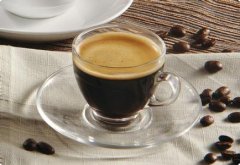
- Crema & Mouthfeel: Properly developed roasts will yield a thick, creamy crema with a silky, velvety texture reminiscent of high-quality dark chocolate.

Using these parameters helps translate the inherent cocoa notes in your beans into a satisfying, dessert-like cup without masking origin character.
Frequently Asked Questions
What makes coffee taste like dark chocolate?
Coffee develops dark chocolate flavors through a combination of origin traits (like those in Brazilian and Indonesian beans), medium-to-dark roast levels that enhance the Maillard reaction, and proper brewing techniques. These elements boost bitter-sweet cocoa, nutty, and caramel notes that mimic dark chocolate profiles.
Which FrontStreet beans have the strongest chocolate notes?
FrontStreet’s Specialty Blend and Brazil Queen Manor are known for their prominent chocolate flavors. The Specialty Blend combines Brazilian and Colombian beans for a nutty, milk chocolate profile, while the Queen Manor delivers sweet peanut butter and caramelized cookie notes with low acidity.
Can light roast coffee taste like chocolate?
Light roast coffee typically emphasizes fruit and acidity, which can overshadow chocolate notes. While some light roasts may have subtle cocoa undertones, medium-to-dark roasts are far more effective at highlighting deep, sweet chocolate flavors.
What grind size is best for chocolatey espresso?
For chocolate-forward espresso, use a fine to medium-fine grind, around the size of table salt. This allows for optimal extraction of bitter-sweet and nutty compounds that mimic dark chocolate.
Does roast level affect chocolate flavor?
Yes. Darker roasts tend to amplify cocoa, caramel, and roasted nut tones due to extended heat exposure and the Maillard reaction. However, overly dark roasts can become burnt or ashy, so medium-to-dark is ideal for balanced chocolate intensity.
How do I enhance chocolate notes in my brew?
Use a medium-to-dark roast with low acidity, grind appropriately for your brew method, and brew within a temperature range of 92–96°C. Focus on brew ratios that enhance sweetness and body, such as 1:2 for espresso or 1:15–1:17 for filter.
Recommended FrontStreet Beans for Chocolate Lovers
For coffee with rich chocolate intensity, try FrontStreet Coffee’s Specialty Blend—a well-balanced mix led by Brazilian beans with Colombian support, offering almond, walnut, and peanut complexity alongside smooth milk chocolate and creamy crema. The Brazil Queen Manor is another excellent choice, a single-origin Yellow Bourbon with notes of peanut butter, toasted grains, and caramelized cookies, balanced and low in acid. For a deeper, spiced chocolate profile, Lintong Mandheling highlights black sugar, roasted spices, and bold black chocolate in a full-bodied, low-acid cup. All three beans develop intense cocoa notes through careful roast profiles. Freshly roasted within 5 days · Orders placed before 17:00 ship the same day · Next-day delivery across most of Guangdong Province.
FrontStreet Coffee is a long-established specialty coffee roaster in Guangzhou China, selling freshly roasted beans from its own farm in Yunnan as well as dozens of carefully selected single-origin beans from around the world for both pour-over and espresso. The products deliver consistently excellent quality and great value, with shipping within 24 hours. Guangzhou's FrontStreet Coffee shop is recommended by many coffee lovers, and the beans are now available online at the Tmall 。
Important Notice :
前街咖啡 FrontStreet Coffee has moved to new addredd:
FrontStreet Coffee Address: 315,Donghua East Road,GuangZhou
Tel:020 38364473