Complete Guide to Coffee Brewing Methods and Equipment
If you’ve ever stood in your kitchen staring at a pile of coffee gear—pour-over drippers, French presses, siphons—and wondered where to even start, you’re not alone. Most guides overwhelm you with jargon or assume you already know the basics. This guide cuts through the noise: it lays out exactly how to use seven common brewing methods, with the specific coffee amounts, water temps, and steps that pros actually follow.
To brew a standard single cup (around 120ml) using the most common method, pour-over, you’ll need 10–12g of medium-ground coffee and 120ml of water. Adjust the dose up or down (8g for lighter flavor, 12g for stronger) based on taste preference, and always bloom the coffee first for optimal extraction.
Pour-Over (Filter Paper Brewing) – The Easiest Start
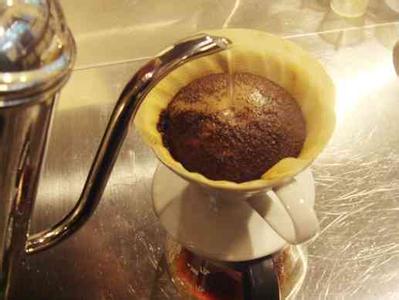
This is the simplest and most adjustable brewing method, ideal for solo drinkers. The filter paper is single-use, keeping things hygienic and mess-free. You can tweak water volume and pouring technique to suit your taste.
Key Details:
- Use a three-hole dripper (better flow control than single-hole).
- Employ a gooseneck kettle for precise, vertical water pouring.
- Bloom with 10–12g of medium grind coffee (adjust to 8g for lighter, 12g for stronger flavor).
- Brew with 120ml water; stop pouring before the last drop to avoid off-flavors.
Steps:
- Fold the filter paper along its seam and place it in the dripper.
- Add medium-ground coffee, level the surface by tapping gently.
- Start pouring hot water (just off boil) in a slow spiral from the center, blooming for ~20 seconds.
- Continue pouring in stages to fully extract, stopping once you’ve reached your target brew volume.
- Discard the filter (with remaining water) before it drips completely dry.
French Press (Plunger Pot) – Full-Flavored Immersion
Though not covered in the original list, French press is a classic immersion method worth mentioning. It’s valued for its full-bodied cup, though it requires careful cleaning to avoid old coffee oils affecting future brews.
Cloth Filter (Flannel Drip) – Maximum Flavor Expression
This method highlights coffee’s richest flavors but demands strict maintenance of the flannel filter to avoid flavor contamination. Proper storage and cleaning are critical.
Preparation & Storage:
- Use a slightly oversized filter; rinse and straighten the flannel before use.
- New filters must be cleaned (no soap) with boiled used coffee grounds to remove residues.
- Always store damp flannels in water in the fridge, changing the water daily.
Brew Steps:
- Place 10–12g of coffee in the flannel (inner side up), level the bed.
- For light roasts, use water at ~95°C; darker roasts, slightly cooler. Start with a thin stream, bloom for 20 seconds.
- Pour in gentle spirals, maintaining even saturation. Don’t let all the water drip out; remove the filter while some water remains inside.
- Heat the brewed coffee gently before serving, avoid boiling.
Moka Pot (Stovetop Espresso) – Intense Italian-Style Coffee
This stovetop device produces a strong, concentrated coffee similar to espresso. It’s beloved for its bold, traditional profile.
Steps:
- Add water to the bottom chamber (use the amount needed per person).
- Add 6–8g of finely ground dark roast coffee to the filter basket, tamp lightly.
- Assemble the Moka pot tightly. Heat until water boils and coffee rises into the top chamber; remove from heat immediately.
- Pour carefully into pre-warmed cups (the coffee will be very hot).
Cold Drip (Water Drop Method) – Slow-Extracted Overnight Coffee
This method uses cold water to extract coffee over several hours, perfect for making a concentrate to enjoy the next morning. Avoid letting it boil when re-heating.
Steps:
- Add medium-fine ground dark roast coffee to the drip chamber, moisten lightly.
- Pour the required water (approx. 300–350ml for three people) into the top reservoir.
- Let it drip slowly (takes 3–4 hours). Reheat gently before serving, do not boil.
Ibrik (Turkish Coffee) – Traditional Boiled Coffee
Made in a special long-handled ibrik (cezve), this method involves boiling finely ground coffee three times without filtering the grounds.
Steps:
- Grind 5g of dark roast coffee very finely (use a mortar or grinder).
- Mix with water and optional spices, heat gently.
- Remove from heat just before boiling, let it settle, then repeat the boil-and-settle cycle two more times.
- Pour slowly into cups, allowing grounds to settle at the bottom.
Siphon (Vacuum Pot) – Theater and Precision
The siphon combines visual appeal with precise brewing. It’s more complex but offers a clean, aromatic cup. Glass components require careful handling.
Equipment Care:
- Clean the filter and glass parts thoroughly after use; store glass in the fridge when not in use.
- Avoid cracking the glass by handling it gently.
Steps:
- Boil water in the lower chamber, attach the upper chamber with the filter in place.
- Add medium-ground coffee to the upper chamber once the water rises.
- Stir gently, let brew for about a minute, then turn off the heat.
- Allow the coffee to draw back down into the lower chamber; serve after removing the upper chamber.
Percolator (Electric or Stovetop) – Retro but Controversial
Once hugely popular, especially in Japan and the US, percolators continuously cycle boiling water through coffee grounds, often leading to over-extraction and bitterness. Avoid strong or prolonged heating.
Steps:
- Boil water in the lower chamber with coarse-ground coffee in the basket.
- Turn off the heat once brewing is complete to avoid over-extraction.
- Serve immediately to prevent further bitterness.
Frequently Asked Questions
What’s the best coffee-to-water ratio for pour-over?
For a standard single cup (120ml), use 10–12g of medium-ground coffee. Adjust to 8g for a lighter cup or 12g for a stronger brew. The classic ratio is around 1:12 to 1:15 (coffee to water).
Do I need to bloom coffee when using a French press?
The article doesn’t specify blooming for French press, but many brewers recommend a short pre-wet (30 seconds) to improve extraction. However, traditional French press brewing skips the bloom and uses full immersion.
What grind size should I use for a Moka pot?
Use a fine grind, similar to table salt or espresso grind, since the Moka pot brews under pressure like espresso. The article specifies 6–8g of dark roast, finely ground coffee per brew.
How long does cold drip coffee take to brew?
The cold drip method takes approximately 3–4 hours to brew a concentrated coffee. The article states it requires 3–4 hours for the dripping process before heating and serving.
Why does the siphon method look so complicated?
The siphon uses vacuum pressure to brew coffee, requiring precise heating and cooling cycles. It involves multiple steps including blooming, stirring, and allowing the coffee to draw down via vacuum, which makes it visually impressive but more complex than other methods.
Can I use any kettle for pour-over?
For best results, use a gooseneck kettle to control water flow and direction. The article emphasizes pouring slowly and vertically from the center outward in a spiral motion, which is easier with a gooseneck spout.
Recommended FrontStreet Beans for Pour-Over & Filter Brewing
For pour-over methods like the ones detailed here, try FrontStreet Coffee’s Ethiopia Yirgacheffe—bright with citrus, floral notes, and a tea-like body—or their Guatemala Antigua, offering chocolatey richness with a balanced acidity. For something more fruit-forward, the Colombia Huila brings notes of red apple and caramel. All three shine with a medium grind and 1:15 brew ratio. Freshly roasted within 5 days · Orders placed before 17:00 ship the same day · Next-day delivery across most of Guangdong Province.
FrontStreet Coffee is a long-established specialty coffee roaster in Guangzhou China, selling freshly roasted beans from its own farm in Yunnan as well as dozens of carefully selected single-origin beans from around the world for both pour-over and espresso. The products deliver consistently excellent quality and great value, with shipping within 24 hours. Guangzhou's FrontStreet Coffee shop is recommended by many coffee lovers, and the beans are now available online at the Tmall 。
Important Notice :
前街咖啡 FrontStreet Coffee has moved to new addredd:
FrontStreet Coffee Address: 315,Donghua East Road,GuangZhou
Tel:020 38364473