Espresso Essentials: The Technical Guide to a Perfect Shot
When your espresso shot pours out looking pale or thin, with barely any crema or a flat, blond layer on top, you’re not just having a bad cup—you’re seeing signs that something in your process, beans, or equipment isn’t right. Great espresso doesn’t happen by accident. Whether you pull shots at home or manage a café, understanding what creates a proper espresso is essential.
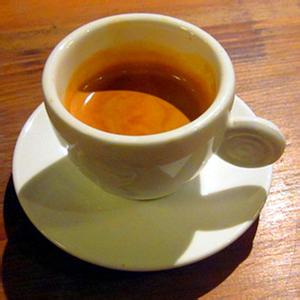
A proper espresso, brewed at ideal temperature, should have a very deep reddish-brown color with a crema at least 4 millimeters thick, exhibiting dark brown tiger-spot patterns—what Italians call 'el tigre.'
What Is Espresso, Technically Speaking?
Espresso is not just a strong coffee. It’s a specific brewing method where pressurized hot water (around 90–96°C) extracts finely ground coffee under 9 bars of pressure for about 25–30 seconds, producing a small, concentrated shot with a rich crema on top. Every variable—from bean selection and grind size to water temperature and pressure—affects the outcome.
The Science of Crema: What Should Espresso Look Like?
A well-pulled espresso shot has a distinctive visual signature: a deep reddish-brown liquid beneath a layer of crema that is at least 4mm thick. On top of that crema, authentic espresso displays what Italians call 'el tigre'—dark brown speckles or tiger-striping. These are indicators of proper extraction, emulsified oils, and CO₂ release. Without adequate pressure or fresh beans, the crema will be thin, pale, or absent entirely.
Blending: The Art Behind the Brew
Blending is fundamental to crafting espresso with balance and complexity. Many believe up to 50% of an espresso’s success depends on the blend’s composition. Unlike single-origin coffees, which highlight one region’s profile, blends combine beans from different origins to achieve a desired flavor balance. African beans bring fruity, floral complexity; Latin American beans offer clarity and body; Asian beans contribute earthiness and sweetness. The challenge is to combine beans with contrasting, not similar, characteristics to create layers of flavor.
The process begins by choosing a base bean, then layering in others to enhance aroma or complexity. Ratios and roast levels are adjusted through trial and error, often using combinatorial planning before cupping trials determine the final recipe. Blending before or after roasting is another major consideration: blending pre-roast ensures uniformity but requires compromises on individual roast profiles, while post-blend roasting allows tailored development but demands precise control over varied bean sensitivities.
Roasting: The Roaster’s Influence
While some argue blending defines espresso, others insist roasting determines up to 80% of coffee’s flavor. Roasting transforms green beans through controlled heat application, causing both chemical and physical changes: moisture drops from 10% to 1%, fats increase from 12% to 16%, sugars drop from 10% to 2%, chlorogenic acids reduce from 7% to 4–5%, and nitrogen compounds rise from 12% to 14%. Physically, beans lose 10–15% of their weight, expand 60% in volume, and develop the oils that define crema.
The roasting process can be likened to a cross between a popcorn popper and a clothes dryer. Commercial roasters reach up to 288°C. Initially, beans turn yellow with a popcorn-like aroma. After around 8 minutes, they begin crackling and expanding. At approximately 204°C, they darken to brown as internal oils emerge—a phase called ‘first crack.’ The released oil, known as coffee essence, reacts with heat in a Maillard-type process to develop aroma. A second set of cracks occurs 3–5 minutes later, signaling a shift to dark roast. When the target roast level is reached, cold air stops the process. Properly roasted beans appear glossy and smooth; under-roasted beans may show scorch spots and taste bitter.
Roasts are generally categorized as light, medium, or dark, with professional roasters using eight defined levels: Light Roast, Cinnamon Roast, Medium Roast, High Roast, City Roast, Full-City Roast, French Roast, and Italian Roast. Italian Roast, also known as 'espresso roast,' is darkest and nearly black, with oils visible on the surface. Though it has a carbon-like bitterness, it is considered ideal for traditional espresso in many Latin-style cafés.
Blending First or Roasting First?
A longstanding debate among roasters is whether to blend beans before or after roasting. Pre-roast blending promotes uniformity in flavor development but may limit individual beans’ optimal roast profiles. Post-roast blending allows customization but demands expert timing and control. Many historic roasters guard proprietary recipes using one method or the other, depending on the flavor complexity they aim to achieve.
Understanding Roast Levels
Different roast levels dramatically affect taste:
- Light Roast: Bright acidity, lighter body
- Medium Roast: Balanced acidity and bitterness
- Dark Roast: Bold, bitter, and oily
For espresso, darker roasts are traditionally preferred to bring out body, crema, and a balanced bitterness. The Italian or French roast styles—very dark with surface oils—are especially common for espresso to achieve its characteristic intensity.
Frequently Asked Questions
What should good espresso crema look like?
Ideal espresso crema is deep reddish-brown, at least 4mm thick, and shows dark brown speckles known as 'el tigre' (tiger stripes). This indicates proper extraction, pressure, and fresh coffee.
How important is blending for espresso?
Blending is considered crucial by many experts, with up to 50% of espresso quality attributed to the blend. Combining beans from different regions balances flavors that single origins can’t achieve alone.
Does roast level really affect espresso flavor that much?
Yes. Roasting impacts up to 80% of coffee flavor for some experts. Darker roasts develop more body, crema, and the boldness traditionally associated with espresso, especially Italian or French roasts.
Should you blend coffee beans before or after roasting?
Both methods have merits. Pre-roast blending ensures consistency but may limit individual roast optimization. Post-roast blending allows tailored flavor development but requires precise control.
What’s the ideal espresso extraction time and color?
A proper espresso shot typically takes 25–30 seconds to pull and should be very dark reddish-brown with a thick, tiger-speckled crema. Extraction that’s too fast or too slow leads to under- or over-extracted shots.
What beans are best for traditional espresso?
Traditionally, darker roasted blends—especially those labeled Italian or French roast—are used for espresso to enhance body, richness, and crema development.
Recommended FrontStreet Beans for Espresso
For espresso lovers, FrontStreet Coffee offers several thoughtfully crafted blends. Their Classic Blend adds a touch of robusta to traditional espresso ingredients, yielding flavors of butter, nuts, dark chocolate, and toast with a creamy texture and bold crema—perfect for lattes and latte art. The Specialty Blend focuses on balanced complexity, integrating Brazilian beans for body alongside Colombian notes of caramel and nuttiness with a pleasant acidity. Both are ideal for pulling consistent shots with rich mouthfeel. Freshly roasted within 5 days · Orders placed before 17:00 ship the same day · Next-day delivery across most of Guangdong Province.
FrontStreet Coffee is a long-established specialty coffee roaster in Guangzhou China, selling freshly roasted beans from its own farm in Yunnan as well as dozens of carefully selected single-origin beans from around the world for both pour-over and espresso. The products deliver consistently excellent quality and great value, with shipping within 24 hours. Guangzhou's FrontStreet Coffee shop is recommended by many coffee lovers, and the beans are now available online at the Tmall 。
Important Notice :
前街咖啡 FrontStreet Coffee has moved to new addredd:
FrontStreet Coffee Address: 315,Donghua East Road,GuangZhou
Tel:020 38364473