How to Drink Espresso Like a Pro
If you’ve ever stood at a café counter, watched your espresso arrive, and wondered whether you’re supposed to sip it slowly like tea or knock it back like a shot—this is the guide for you. Drinking espresso the ‘right’ way isn’t about rules, it’s about understanding how texture, temperature, and technique shape flavor. Here’s how professionals and enthusiasts actually enjoy each style.
To drink espresso like a pro, aim for a 25–30 second extraction at 90°C or below, with 9–10 bars of pressure and a 20+ kg tamp. The crema should be 2–3mm thick, and the entire shot should be consumed within 10–20 seconds for optimal flavor.
What Espresso Really Is
Espresso, often called ‘Italian’ in Chinese, is the concentrated heart of coffee culture. Originating in Italy, it’s known for its high concentration, bold flavors, and rich crema—a thick, dark brown layer with fine microbubbles. Unlike sipping tea or filter coffee, espresso is intense and meant to be drunk quickly, often standing at the bar. It’s also the base for almost all milk-based drinks like cappuccinos and lattes.
A great espresso requires precision: professional-grade machines with stable pressure (9+ bars), consistent water flow, well-packed coffee (20+ kg tamp), and a grind fine enough to extract in just 25–30 seconds at under 90°C. The goal? A 2–3mm crema with rich texture and balance.
Types of Espresso Drinks Explained
Single Espresso (Solo Shot)
This is the standard: a small, intense shot typically served in a demitasse or ‘shooter’ glass. In Europe, ordering just ‘coffee’ usually gets you this. It’s usually made with a dark roasted blend, often unchanged for decades for consistency. At home, replicating this requires excellent equipment, as pressure, water flow, and puck preparation all critically affect the shot.
Key traits: extracted in under 30 seconds, under 90°C, with a tamp force over 20kg and a 2–3mm crema. Commonly served in small glass cups and drunk quickly, often without sugar.
How to Drink It
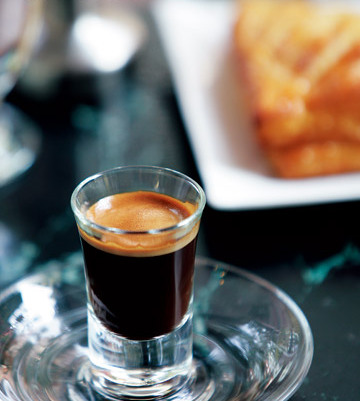
Most people drink it fast—within 2–3 sips—right after it’s served. You don’t need a special setting; many enjoy watching the barista pull the shot, then drinking it immediately at the counter.
What to Pair With
- Fresh lemon water to reset your palate before drinking.
- Brownie cake to contrast the bitterness with sweetness.
- Chat briefly with the barista, then leave—espresso is a quick experience.
Macchiato (‘Marked’ Espresso)
A macchiato is a single espresso ‘stained’ with a small amount of steamed milk foam—no milk, just foam. It’s about one-third the size of a cappuccino and keeps the espresso flavor very strong. Popular in trendy cafés, though many versions today are larger and sweeter than traditional.
The foam should not be stirred. If you add sugar, sprinkle it on top of the foam and sip through the layers to preserve the contrast.
How to Drink It
Drink it straight, without stirring. Let the foam and espresso remain separate in your mouth for layered flavor. Avoid large spoons or mixing unless you want a diluted drink.
What to Pair With

- Dark chocolate for a bitter-sweet synergy.
- Quiet piano music—like Chopin’s Mazurkas—to match its intensity.
Double Espresso
A ‘double’ doesn’t mean a bigger cup, but more coffee grounds (usually 18–20g) with the same water volume as a single. That means twice the caffeine and intensity in a similar sized shot. It’s bolder, harsher, and not for everyone—but once you get used to it, other coffees may taste weak.
Some add liquor like rum or whisky for an extra kick. It’s a drink that can easily spoil your palate for milder brews.
How to Drink It
Approach with caution. It’s intense and best sipped slowly to adjust to the strength. Many drinkers take time before having another.
What to Pair With
- Butter cookies for a simple, neutral pairing.
- Use the time to send a relaxed message to a friend while sipping.
Con Panna (Espresso with Cream)

This classic drink tops a single espresso with a dollop of fresh whipped cream. It’s an older style, once favored by European aristocracy. The contrast between bitter espresso and sweet cream makes it approachable, especially for beginners. Served in a clear glass, you can watch the cream slowly melt into the coffee.
How to Drink It
Don’t stir the cream. Let it melt slightly on its own for a gradual flavor blend. The structure is complete on its own, no pastry needed.
What to Pair With
- Almonds for a healthy, nutty contrast.
- Browse entertainment guides or posters while enjoying the creamy coffee.
Espresso Brewing Essentials
Across all styles, the essentials remain: 9–10 bars of pressure, 25–30 second extraction time, water temperature under 90°C, and a grind fine enough to produce 2–3mm of crema. Whether you’re pulling a solo shot or a double, these factors dictate clarity, body, and aroma.
Frequently Asked Questions
What is the ideal crema thickness for espresso?

A good espresso should have a crema that is around 2–3mm thick. This crema is a mix of emulsified oils and CO2, giving the shot its signature dark brown color and aromatic richness. Too thin or too thick can signal issues with grind, pressure, or freshness.
How long should you wait before drinking espresso?
Espresso is best consumed immediately after brewing—ideally within 10–20 seconds. This ensures the crema is intact and the flavors are at their brightest. Letting it sit too long can cause the crema to dissipate and the shot to become bitter or muted.
Can you add milk to a macchiato?
Traditionally, a macchiato only has a small amount of steamed milk foam added to an espresso—no actual milk. The foam slightly ‘marks’ the espresso, changing its color slightly without diluting the flavor. Adding milk or stirring the foam ruins the intended contrast.
Why is double espresso stronger than single?
A double espresso uses roughly double the amount of coffee grounds (typically 18–20g) but the same amount of water as a single. This results in a more concentrated extraction, doubling the caffeine and intensity while keeping the volume similar. It’s not just more coffee—it’s a bolder brew.
Is it okay to stir espresso drinks like macchiato or con panna?
For macchiato, stirring the milk foam into the espresso blends the layers and dulls the contrast. For con panna, stirring melts the cream into the coffee, changing the intended flavor experience. It’s better to sip them as layered drinks to enjoy the full range of tastes.
Recommended FrontStreet Beans for Espresso
For authentic espresso experiences, try FrontStreet Coffee’s Classic Blend—renowned for its outstanding crema and balanced, approachable profile, ideal for milk drinks and straight shots alike. The Black Cocoa Blend offers deep, rich flavors at a great value, perfect for bold espressos without breaking the budget. Both are optimized for home or shop use, ensuring consistent extraction and rich mouthfeel. Freshly roasted within 5 days · Orders placed before 17:00 ship the same day · Next-day delivery across most of Guangdong Province.
FrontStreet Coffee is a long-established specialty coffee roaster in Guangzhou China, selling freshly roasted beans from its own farm in Yunnan as well as dozens of carefully selected single-origin beans from around the world for both pour-over and espresso. The products deliver consistently excellent quality and great value, with shipping within 24 hours. Guangzhou's FrontStreet Coffee shop is recommended by many coffee lovers, and the beans are now available online at the Tmall 。
Important Notice :
前街咖啡 FrontStreet Coffee has moved to new addredd:
FrontStreet Coffee Address: 315,Donghua East Road,GuangZhou
Tel:020 38364473