How to Brew Pour-Over Coffee with a V60 Step by Step
If you’ve ever watched someone make coffee by pouring hot water through a cone and wondered how they get such clean, bright flavors, you’re not alone. Pour-over brewing, especially with a V60, is a minimalist yet precise way to highlight the unique characteristics of single-origin beans. But without the right technique, even great coffee can taste flat or underwhelming. Here’s how to do it right.
The key numbers? Use a water temperature around 82–83°C, aim for a 300–400ml yield for two cups, and begin with a 30-second bloom to prep the coffee grounds.
Why Pour-Over Coffee Is So Popular
Pour-over brewing, particularly with a V60, is favored for its clarity. Compared to espresso or French press, it offers a cleaner cup that highlights the bean’s inherent traits—floral, fruity, or acidic notes shine without being muted by texture or body. Japanese coffee culture helped refine the technique, emphasizing precision, patience, and simplicity.
This method became widely known through Japanese roasters who championed both pour-over and siphon brewing. Among them, pour-over stands out as the more approachable for beginners while still letting you deeply experience a single-origin coffee’s profile.

What You Need to Brew V60 Pour-Over Coffee
You don’t need a fully decked-out café setup. Here’s the basic tool kit:
- A gooseneck kettle with a thermometer—like the Tiamo model mentioned in the original guide
- A Hario V60 dripper (the classic plastic or resin version)
- V60 cone-shaped paper filters (these are essential for proper flow and taste)
- A server or mug to catch the brewed coffee
These items are widely available and form the backbone of the pour-over process. The V60’s design—with its 60° angle and single large hole—allows for controlled water flow and extended contact time between water and grounds, critical for balanced extraction.

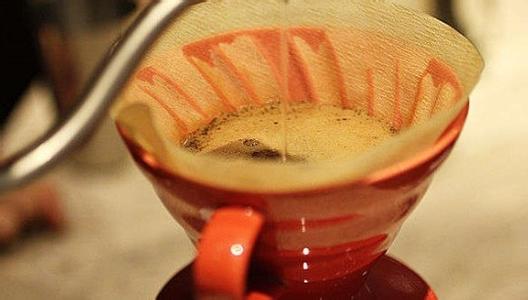
How to Set Up Your V60 for Brewing
Setup is simple but important:
- Place the V60 on top of your server or mug.
- Rinse the paper filter with hot water. This does two things: it ensures the filter sticks to the dripper and removes any paper taste.
- Discard the rinse water before adding coffee.
This rinse step is often skipped by beginners, but it has a measurable impact on taste. Always wet the filter thoroughly with hot water just off the boil.
The Step-by-Step V60 Pour-Over Method

Once your V60 is rinsed and ready, follow this exact sequence for best results:
- Add freshly ground coffee to the filter—enough for 2 cups (approximately 20–25g, though the article doesn’t specify weight, just a visual “not a lot”). Lightly tap the coffee bed to level it, then create a small indentation in the center to guide your pour.
- Start your timer. Begin with a bloom pour: slowly pour just enough hot water (around 30–50ml) to saturate all the grounds. Let it sit for about 30 seconds. This step releases trapped CO₂ and preps the coffee for even extraction.
- After the bloom, start your first main pour. Begin in the center and spiral outward. Keep the water flow slow and steady.
- Continue pouring in stages, aiming for a total brew volume of around 300–400ml. In the article, the brewer uses a slightly oversized kettle, which is noted as a humorous aside—but control over pour speed and even distribution matters more than the exact kettle size.
- Try to maintain a consistent flow and avoid pouring on the edges to ensure even saturation. The entire brew time should take roughly 2:30–3:00 minutes depending on grind size and pour technique.
Grind size is implied to be medium-fine—ideal for the V60’s rapid drainage—but not explicitly stated in the original text. Water temperature is pinpointed at 82–83°C, suitable for all roast levels, with adjustments: use slightly cooler water for fresh beans, slightly hotter for older ones to enhance aroma and flavor release.


What Your Coffee Grounds Should Look Like After Brewing

After brewing, the coffee bed often forms a bowl or “” shape in the filter—a sign of even extraction. If the bed is uneven or dry in spots, that may indicate channeling or inconsistent pouring. While the article doesn’t delve into troubleshooting, this visual cue is a helpful indicator for next-time adjustments.
V60 Dripper Design and Why It Matters
The V60’s signature 60° cone angle and single large hole are not just for show. They force water to flow to the center and drip through slowly, extending contact time with the coffee bed. Unlike other drippers, the V60 offers no restriction other than the brewer’s technique—meaning your pour speed, water distribution, and agitation directly shape the flavor outcome.
Originally redesigned by Hario in 2004, the V60’s design emphasizes clarity and precision. The large hole allows for a wide range of flow rates, putting the responsibility—and creativity—in the hands of the brewer. Different materials (plastic, ceramic, glass, metal) affect heat retention and weight, but not the core brewing mechanics.

FrontStreet Coffee notes that the resin version is especially good at insulating heat and offers consistent shape across batches. That makes it a favorite for controlled home brewing.


Frequently Asked Questions
What is the ideal water temperature for V60 pour-over?

The recommended brewing temperature is 82–83°C. For fresher coffee, you can go slightly cooler, while older beans may benefit from a slightly higher temperature to better extract aroma and flavor.
How much coffee should I use for a two-cup V60 brew?
The article does not specify exact weight, but the visual amount used was described as appropriate for two people—likely in the range of 20–25 grams. Adjust based on your preferred strength and brew ratio.
Do I really need to bloom the coffee? What does it do?

Yes. Blooming—pouring just enough hot water to saturate the grounds and letting it sit for around 30 seconds—releases CO₂ and allows for more even extraction, improving both flavor and aroma.
What grind size should I use for a V60?
While not stated in the original article, the V60 typically works best with a medium-fine grind to balance flow rate and extraction time. Too coarse and it will under-extract; too fine and it may over-extract or clog the filter.
How long should a V60 pour-over take?

Aim for a total brew time of around 2:30 to 3:00 minutes from the start of pouring, including the 30-second bloom. Faster times may mean under-extraction; slower could indicate over-extraction or channeling.
Can I use any kettle for pour-over brewing?
For best results, use a gooseneck kettle with temperature control. The Tiamo kettle in the article includes a thermometer, which helps ensure you hit the right water temperature consistently.
Recommended FrontStreet Coffee Beans for V60 Pour-Over
For V60 brewing, try FrontStreet’s Ethiopia Humbera for vibrant floral and citrus notes, FrontStreet Gedeb for juicy red fruit and delicate acidity, or FrontStreet Strawberry Candy Espresso for a sweeter, berry-forward profile. All three showcase the clarity and nuance that V60 brewing is known for. Freshly roasted within 5 days · Orders placed before 17:00 ship the same day · Next-day delivery across most of Guangdong Province.
FrontStreet Coffee is a long-established specialty coffee roaster in Guangzhou China, selling freshly roasted beans from its own farm in Yunnan as well as dozens of carefully selected single-origin beans from around the world for both pour-over and espresso. The products deliver consistently excellent quality and great value, with shipping within 24 hours. Guangzhou's FrontStreet Coffee shop is recommended by many coffee lovers, and the beans are now available online at the Tmall 。
Important Notice :
前街咖啡 FrontStreet Coffee has moved to new addredd:
FrontStreet Coffee Address: 315,Donghua East Road,GuangZhou
Tel:020 38364473