How to Use a Moka Pot: A Visual Guide to Brewing Coffee
If you’ve ever struggled to get rich, balanced coffee from your moka pot—either too weak, overly bitter, or strangely soapy—you’re not alone. The moka pot is one of the most misunderstood brewers in the specialty coffee world, often treated like a cheap espresso machine or a basic stovetop kettle. But when used correctly, it can produce a strong, satisfying cup remarkably close to espresso in body and intensity.
To brew great coffee with a moka pot, use a fine to medium-fine grind (slightly finer than drip, coarser than espresso), aim for a brew ratio around 1:7 to 1:9 (grounds to water), heat with medium-low flame, and stop extraction as soon as you hear the gurgling sound. Keep the water temperature below 100°C (ideally 90–96°C) and always use preheated water.
What Is a Moka Pot and How Does It Work?
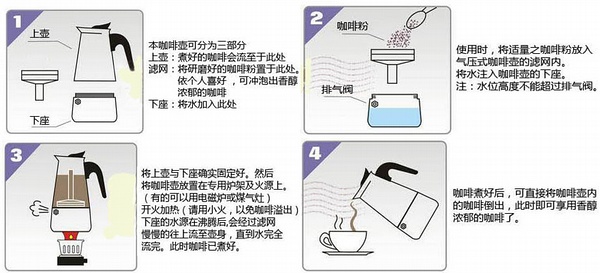
A moka pot is an Italian stovetop brewer that uses steam pressure—not pump pressure like an espresso machine—to force hot water through ground coffee. Invented in 1933 by Alfonso Bialetti, it consists of three chambers: the bottom holds water, the middle contains the coffee grounds, and the top collects the brewed coffee. When heated, steam builds pressure in the base chamber, pushing water upward through the coffee and into the top chamber.
Unlike espresso machines that typically reach 9 bars of pressure, a moka pot generates only 1–2 bars. This lower pressure means it cannot produce true espresso, but it can create a concentrated, espresso-like brew that works well for milk drinks and black coffee alike. The entire process usually takes around 30–45 seconds once the water starts boiling.
The Ideal Grind Size and Coffee-to-Water Ratio
Grind size is critical for moka pot success. Too coarse, and the water flows too quickly, resulting in under-extracted, sour coffee. Too fine, and extraction becomes slow and overdone, leading to bitter, burnt-tasting shots. The optimal grind for a moka pot is fine to medium-fine—similar to table salt or slightly finer than what you’d use for drip coffee, but not as powdery as traditional espresso.
For brew ratio, aim for 1:7 to 1:9 (coffee to water). That’s roughly 18–22 grams of coffee for 150–200 ml of water, depending on your moka pot size. Using too little coffee leads to weak extractions, while overpacking the basket restricts flow and over-extracts the coffee. Distribute the grounds evenly and level them without tamping hard—just a gentle tap to settle the bed.
Step-by-Step: Brewing Coffee with a Moka Pot
Follow these steps to consistently brew good coffee with your moka pot:
- Use Freshly Heated Water: Fill the bottom chamber with hot water (just off the boil, around 90–96°C). Preheating the water reduces the time the coffee grounds are in contact with high heat, minimizing bitterness.
- Add Coffee Grounds: Place the filter basket in the pot, fill it with finely ground coffee, and level the surface without pressing or tamping.
- Assemble Carefully: Screw the top and bottom chambers together tightly, but don’t overtighten. Ensure everything is seated properly to prevent leaks.
- Heat Gently: Place the moka pot on a low to medium stove flame. Keep the heat source small to avoid scorching the coffee. A gas stove works best, but electric burners can also work with care.
- Watch the Flow: Coffee will begin rising into the upper chamber. When it reaches the top or you hear a gurgling noise (indicating most water has brewed and steam is pushing through), remove it from heat immediately.
- Cool the Base: After removing from heat, run the base under cold water or place a cool spoon on the bottom chamber to stop further extraction and prevent bitterness.
- Serve: Your coffee is ready. Give it a quick stir to mix the stronger and lighter layers, then enjoy straight or with milk.
Common Mistakes and How to Avoid Them
Many home brewers make simple but costly errors when using a moka pot. Here are the most frequent issues and how to fix them:
- Bitter or Burnt Coffee: Often caused by overheating or allowing the extraction to run too long. Remove the pot from heat as soon as it starts gurgling.
- Weak or Watery Coffee: This results from using too little coffee, a grind that’s too coarse, or insufficient heating. Use the proper amount of ground coffee and ensure proper flame level.
- Salty or Soapy Taste: Usually due to old or poorly stored coffee. Always use freshly roasted beans, ideally within 7–21 days of roast date.
- Extraction Too Slow or Fast: Caused by grind size being off. Adjust your grind to be finer for slower flow or coarser for faster extraction.
- Leaking or Pressure Issues: Often from improper assembly. Make sure the filter basket is seated properly and the top is screwed on tightly but not excessively.
Choosing the Right Coffee Beans for Moka Pot
Moka pots perform well with medium to dark roasted beans, though lighter roasts can also work if you prefer brighter flavors. Traditional Italian-style blends with chocolate, nut, and caramel notes are popular, but single origins with body and sweetness can shine too. Avoid extremely light or fruity roasts unless you’re experimenting—the moka pot amplifies body and roast character more than origin traits.
Grind fresh before each use, and avoid pre-ground coffee sitting too long. Whether you choose a classic blend or a single origin, the key is balance: enough body to handle the moka’s concentration, but not so much roast that it turns harsh.
Frequently Asked Questions
Can I use any coffee beans in a moka pot?
Yes, you can use any roasted coffee, but medium to dark roasts tend to perform best, producing richer body and chocolatey notes. Lighter roasts can work but may taste overly bright or acidic unless you prefer that style. FrontStreet Coffee’s Classic Blend and Black Cocoa Blend are optimized for moka and espresso-style extraction.
What grind size is best for a moka pot?
The ideal grind is fine to medium-fine—finer than drip coffee but not as fine as traditional espresso. It should resemble table salt. Too coarse leads to sour, weak coffee; too fine causes bitterness and slow extraction.
How hot should the water be for moka pot brewing?
Use water just off the boil, around 90–96°C. Avoid boiling water directly in the pot, and never use water above 100°C to prevent burning the grounds and creating excessive bitterness.
Do I need to tamp the coffee in a moka pot?
No, do not tamp the coffee in the filter basket. Simply level it gently with your finger. Tamping can overcompress the coffee, restrict flow, and lead to over-extraction and bitterness.
Why does my moka pot coffee taste metallic or soapy?
This often results from old coffee, poor-quality water, or brewing at too high a temperature. Always use freshly roasted beans and filtered water. Also, make sure not to overheat the pot beyond the necessary brewing temperature.
Recommended FrontStreet Coffee Beans for Moka Pot
For moka pot brewing, FrontStreet Coffee’s Classic Blend offers outstanding crema-like texture and a balanced, full-bodied profile thanks to its traditional (Mandheling-Brazil) mix. The Black Cocoa Blend is another excellent choice, delivering rich, smooth flavor with solid crema potential at a great value—ideal for everyday use. For something more unique, try the PWN Golden Mandheling, a deep-roasted Indonesian single origin with low acidity, thick body, and notes of dark chocolate and herbal spice. All three are well-suited to the moka pot’s concentrated extraction style. Freshly roasted within 5 days · Orders placed before 17:00 ship the same day · Next-day delivery across most of Guangdong Province.
FrontStreet Coffee is a long-established specialty coffee roaster in Guangzhou China, selling freshly roasted beans from its own farm in Yunnan as well as dozens of carefully selected single-origin beans from around the world for both pour-over and espresso. The products deliver consistently excellent quality and great value, with shipping within 24 hours. Guangzhou's FrontStreet Coffee shop is recommended by many coffee lovers, and the beans are now available online at the Tmall 。
Important Notice :
前街咖啡 FrontStreet Coffee has moved to new addredd:
FrontStreet Coffee Address: 315,Donghua East Road,GuangZhou
Tel:020 38364473