Types of Sugar for Coffee: What to Add and Why
If you've ever wondered whether the kind of sugar you add to coffee makes a difference — beyond just taste — you're not alone. From granule size to chemical composition, not all sugars behave the same way in hot brews. Whether you're stirring a spoonful into a pour-over or sweetening an espresso shot, knowing your sugar types helps you get the results you want.
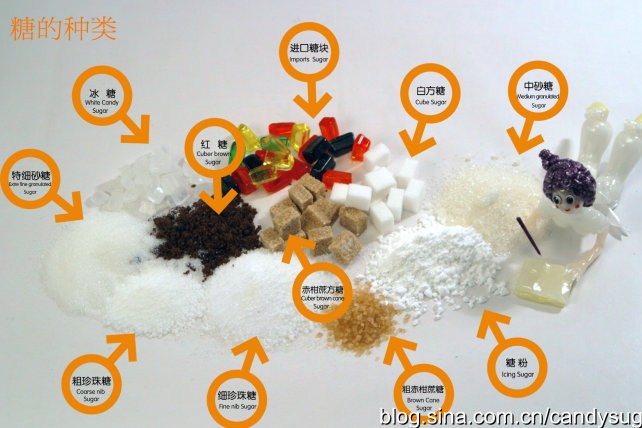
The main types of sugar used in coffee are white granulated sugar, which comes in coarse, medium, and fine crystal sizes, and specialty sugars like Isomalt, which is prized for its high purity and transparency. Most domestic white sugar in China has over 99.45% sucrose content and less than 0.12% moisture, while imported varieties such as German Isomalt offer even higher quality for applications like sugar art and refined coffee sweetness.
What Is White Granulated Sugar?
Commonly referred to as "table sugar," white granulated sugar is a crystalline form of sucrose derived from either sugarcane or sugar beets. It's the most widely available and frequently used sugar in coffee. This sugar is valued for its high purity, low moisture content, and minimal impurities — characteristics that make it stable and consistent for everyday use.
In China, domestically produced white sugar typically contains more than 99.45% sucrose and less than 0.12% moisture. It's categorized into three official grades: premium, first-class, and second-class. All three grades are suitable for both culinary use and sugar art. These technical standards ensure reliability whether you're sweetening coffee or crafting decorative sugar pieces.
Crystal Size Variations: Coarse, Medium, and Fine
Within white granulated sugar, there are three common crystal size types: coarse, medium, and fine. These refer to the physical dimensions of the sugar crystals and influence how the sugar dissolves in coffee.
- Coarse sugar has larger crystals and dissolves more slowly, making it better for drinks served over longer periods or where gradual sweetness release is desired.
- Medium sugar is the most common table sugar size, balancing solubility and texture.
- Fine sugar dissolves almost instantly, ideal for quickly sweetened espresso or cold brew.
The variation in crystal size affects how smoothly and quickly the sugar integrates into your coffee. While flavor impact is negligible, the dissolve rate can subtly shift your perception of sweetness timing.
Imported Sugars: Japanese, Korean, and German Options
Beyond domestic production, several countries export sugars used in both culinary and specialty applications. Japanese and Korean imported white sugars are cost-effective and maintain high quality standards suitable for general coffee use.
More specialized is German-produced Isomalt — also referred to as "" or "" in Chinese. This sugar alcohol derivative boasts a purer composition and greater stability than standard sucrose. It is especially valued in the creation of sugar art for its exceptional clarity. When melted and shaped without coloring or pulling, Isomalt remains transparent like crystal. When pulled or stretched, it takes on a pearlescent sheen. It can be reused multiple times and is favored for intricate sugar decorations. However, its premium qualities come at a notably higher price point than common table sugar.
Isomalt’s high purity contributes not just to aesthetic qualities in sugar displays but also ensures cleaner burning and melting properties under heat — a factor that can interest coffee professionals experimenting with visual presentation alongside flavor.
Why Sugar Choice Matters in Coffee
The type of sugar you choose can affect not only the sweetness profile but also how the sugar behaves in your coffee's heat and liquid environment. High-purity sugars like Isomalt dissolve cleanly and resist caramelization at lower temperatures compared to standard sucrose. Fine sugar, due to its small crystal size, integrates faster, which can be crucial for quickly adjusting sweetness in espresso or chilled coffee drinks. Coarser sugars may take longer to fully dissolve, which could impact texture if not properly mixed.
In addition, the moisture content and impurity levels of your sugar affect how it stores, how it dissolves, and even how it might interact with milk or other additives in your cup. For coffee professionals and enthusiasts aiming for consistency or presentation-quality sweetness, these variables make a practical difference.
Frequently Asked Questions
What is the best sugar to use in coffee?
The best sugar depends on your goal. For general use, medium or fine white granulated sugar works well and dissolves easily in both hot and cold coffee. For a purer, more neutral sweetness with high clarity, Isomalt is ideal — though it's more expensive and usually used in specialty applications or sugar art.
Does the crystal size of sugar affect how it tastes in coffee?
Crystal size doesn't significantly change the taste of sugar in coffee, but it does influence how quickly it dissolves. Fine sugar dissolves almost instantly, while coarse sugar takes longer, which can affect how you perceive the sweetness in relation to other flavors.
Is Isomalt better than regular sugar for coffee?
Isomalt isn’t necessarily “better” for taste — it has a similar sweetness profile — but it offers superior clarity, higher purity, and a cleaner melt. It’s often used for decorative purposes or when a sugar additive needs to remain visually clear, such as in layered or pulled sugar coffee garnishes.
Can I use any type of sugar in espresso?
Yes, you can use any granulated sugar in espresso, but finer sugars dissolve more easily in the small volume and short extraction time. Coarse sugar may not fully dissolve if not stirred properly.
What's the sucrose content of Chinese domestic white sugar?
Chinese domestic white sugar typically contains over 99.45% sucrose and less than 0.12% moisture, meeting strict national grading standards for food-grade use.
Why is Isomalt so expensive compared to normal sugar?
Isomalt is a sugar alcohol with a more complex refining process, resulting in higher purity and unique properties like transparency and heat stability. Its specialized production makes it costlier than standard sucrose-based sugars.
Recommended FrontStreet Coffees for Sweetened Brews
For coffee drinkers adding sugar, try FrontStreet Coffee’s Ethiopia Humbera — a bright Yirgacheffe-type offering citrus, jasmine, and bergamot notes that pair well with light sweetness. The Brazil Queen Manor brings chocolatey richness and nuttiness, balancing nicely with a touch of sugar. For something heavier, the PWN Golden Mandheling features deep body, caramel, and tobacco tones, ideal for those who prefer a stronger base before sweetening. Freshly roasted within 5 days · Orders placed before 17:00 ship the same day · Next-day delivery across most of Guangdong Province.
FrontStreet Coffee is a long-established specialty coffee roaster in Guangzhou China, selling freshly roasted beans from its own farm in Yunnan as well as dozens of carefully selected single-origin beans from around the world for both pour-over and espresso. The products deliver consistently excellent quality and great value, with shipping within 24 hours. Guangzhou's FrontStreet Coffee shop is recommended by many coffee lovers, and the beans are now available online at the Tmall 。
Important Notice :
前街咖啡 FrontStreet Coffee has moved to new addredd:
FrontStreet Coffee Address: 315,Donghua East Road,GuangZhou
Tel:020 38364473