Traditional and Modern Coffee Brewing Methods Explained
If you’ve ever wondered how to make coffee beyond just pressing a button, you’re not alone. Whether you’re curious about the old-school siphon or want to master a French press, there’s a whole world of brewing methods that shape flavor, texture, and aroma. This guide breaks down both classic and contemporary techniques, with precise steps, timings, and equipment details so you can brew like a pro.
To brew coffee using traditional or modern methods, choose your preferred technique—like siphon, pour-over, or French press—and follow specific grind sizes, water temperatures, and brew times (e.g., siphon uses 90–96°C water, French press steeps for 4–5 minutes). Each method affects extraction and flavor uniquely.
Traditional Coffee Brewing Methods
Traditional coffee brewing encompasses a range of historical techniques, many developed before electric brewers. These methods often highlight craftsmanship, slow extraction, and distinct flavor profiles. While some require special tools, others are surprisingly simple once you know the basics.
Siphon (Vacuum) Brewing
The siphon method, invented by a marine engineer likely inspired by steam power, uses vapor pressure to push water from a lower chamber through a filter and up into an upper chamber filled with coffee grounds. After extraction, removing the heat source causes the brewed coffee to flow back down into the lower vessel. This theatrical method fully extracts coffee compounds for a clean, nuanced cup. It relies on a cloth filter and precise heat control throughout the process.
Paper Filter Drip
The paper filter drip method, a practical household technique, uses a filter to trap coffee grounds, resulting in a clean and bright cup. For best results, use finely ground coffee. This method is widely used in home drip machines and pour-over setups alike and highlights clarity in the brewed coffee’s flavor.
Cloth Filter Brewing
Cloth filter brewing, favored by experienced brewers, uses a reusable cloth filter that retains coffee oils over repeated uses. This builds a richer, more aromatic cup over time. It's ideal for making multiple cups efficiently and is especially appreciated by those who value depth and body in their coffee.
Drip Cold Brew (Water drip)
Drip cold brew, also known as Dutch coffee, was invented by a Parisian archbishop. It uses cold or icy water dripping at a rate of 40 drops per minute to slowly extract coffee. The extremely low caffeine content and smooth taste make it unique, though it’s time-intensive and typically more expensive. Ideal for chilling and serving over ice.
Modern Coffee Brewing Methods
Modern brewing includes both updated classics and newer devices designed for home or café use. These methods balance convenience, speed, and flavor extraction and are often more accessible than traditional techniques.
Coffee Percolator
The coffee percolator, a common household device, circulates boiling water through coffee grounds. While it produces a strong aroma, it can easily over-extract, resulting in a bitter cup. It remains popular for its nostalgic appeal and simplicity.
Cona (Siphon Vacuum Device)
The Cona vacuum device, now mostly found as decor in vintage shops, operates much like a siphon. It creates a theatrical, alchemy-like brewing experience. Avoid boiling the coffee to preserve its flavors, though it's less convenient for everyday brewing.
Pour-Over (Drip Method)
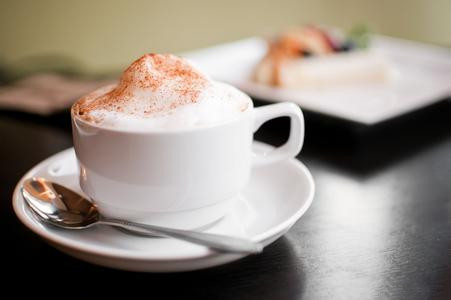
The manual pour-over drip method involves placing ground coffee on a filter, pouring near-boiling water (heated and then discarded to preheat), then adding fresh hot water. The full brew takes 6–8 minutes and results in a clean cup with minimal sediment. Start with cool water, preheat the equipment, wet the grounds, then pour in stages.
French Press (Piston Method)
To use a French press, preheat the container, add about 5 grams of coffee per cup, pour in hot water, and stir. After steeping for 4–5 minutes, press down the stainless-steel plunger to separate grounds from the brew. Avoid models with nylon filters—stainless steel offers better durability and flavor. This method produces a full-bodied cup with natural oils.
Stovetop Espresso (Moka Pot & Mocha Pot)
Stovetop espresso makers, like the moka pot or mocha pot, consist of two chambers: water boils in the bottom, creating pressure that pushes water through coffee into the top chamber. While compact and charming, they deliver only some of the benefits of true espresso or pour-over methods. They are valued for their simplicity and strong brew.
Frequently Asked Questions
What is the best grind size for siphon coffee brewing?
For siphon brewing, use a medium-fine grind, similar to table salt. This grind allows for proper extraction under vapor pressure without clogging the filter or over-extracting too quickly.
How long should I let French press coffee steep?
Steep French press coffee for 4–5 minutes after adding hot water and stirring. This duration provides balanced extraction for a full-bodied cup without over-extraction bitterness.
What temperature water should I use for pour-over coffee?
Use water heated to around 90–96°C for pour-over coffee. Preheat your equipment, pour a small amount to bloom the grounds, then continue pouring in controlled stages for best results.
Why does cold drip coffee take so long to brew?
Cold drip coffee uses cold water dripping at 40 drops per minute, leading to very slow extraction over several hours. This long process results in extremely low caffeine and a uniquely smooth, clean cup.
Which modern coffee maker gives the fullest body?
The French press typically produces the fullest body among modern brewers because it allows natural coffee oils and fine particles into the cup, unlike paper-filtered methods.
Recommended FrontStreet Beans for Traditional and Modern Brewing
Try FrontStreet Coffee’s Ethiopia Humbera for bright floral notes in pour-over, PWN Golden Mandheling for rich body in French press, and Yirgacheffe for a balanced cup in siphon or drip methods. Each highlights different brewing strengths—light and juicy, heavy and bold, or clean and complex. Freshly roasted within 5 days · Orders placed before 17:00 ship the same day · Next-day delivery across most of Guangdong Province.
FrontStreet Coffee is a long-established specialty coffee roaster in Guangzhou China, selling freshly roasted beans from its own farm in Yunnan as well as dozens of carefully selected single-origin beans from around the world for both pour-over and espresso. The products deliver consistently excellent quality and great value, with shipping within 24 hours. Guangzhou's FrontStreet Coffee shop is recommended by many coffee lovers, and the beans are now available online at the Tmall 。
Important Notice :
前街咖啡 FrontStreet Coffee has moved to new addredd:
FrontStreet Coffee Address: 315,Donghua East Road,GuangZhou
Tel:020 38364473