Seven Rules for Brewing Perfect Specialty Coffee
If you’ve ever made coffee that tasted flat, bitter, or just plain disappointing, you’re not alone. Most issues come down to a few simple missteps—like using stale beans, wrong water, or poor technique. Great coffee isn’t about expensive gear; it’s about doing the basics right.
To brew truly great specialty coffee at home, follow these seven essential rules: use freshly roasted beans, store them properly, grind just before brewing, use filtered water, give coffee enough contact time, drink it immediately, and always preheat your cup.
1. Start With Freshly Roasted Coffee Beans
Freshness is the foundation of great coffee. For the best results, use coffee beans roasted no more than one week ago—and ideally, beans roasted less than thirty minutes before brewing. That short window ensures peak flavor and aroma, as coffee’s volatile compounds begin to degrade almost immediately after roasting.
2. Store Coffee Beans in the Dark
Light exposure accelerates coffee staling. Always keep your beans in an opaque, lightproof container to preserve freshness. Whether it’s a ceramic canister or a specialty coffee bag with a UV-blocking lining, protecting your beans from light helps maintain their delicate flavors over time.
3. Grind Just Before Brewing
Pre-ground coffee loses its flavor quickly due to oxidation. Always grind your coffee beans right before you start brewing. The grind size depends on your method—pour-over, French press, or espresso—but the key point is timing: grind fresh for every brew session.
4. Use Fresh, Filtered Water at the Right Temperature
Water quality has a massive impact on coffee flavor. Before boiling, let the tap water run for a few seconds to flush out any stale water sitting in the pipes. Then use freshly drawn cool water and bring it to a boil—but don’t overboil. Avoid pouring boiling water directly onto coffee grounds; aim for water just off the boil (typically around 90–96°C or 195–205°F) for optimal extraction.
5. Ensure Enough Contact Time During Brewing
Whether you use a pour-over dripper, AeroPress, French press, or siphon, make sure your coffee has sufficient time to brew. Each method requires a different brew time and technique, but the common requirement is allowing the water and coffee grounds enough contact to fully extract flavor—usually between 2 to 4 minutes depending on your setup.
6. Drink Coffee Immediately After Brewing
Coffee peaks very soon after brewing and deteriorates quickly. To enjoy it at its best, drink your coffee right after it’s poured. The longer it sits, the more it oxidizes, leading to a flat or bitter taste. Freshly brewed means freshly enjoyed.
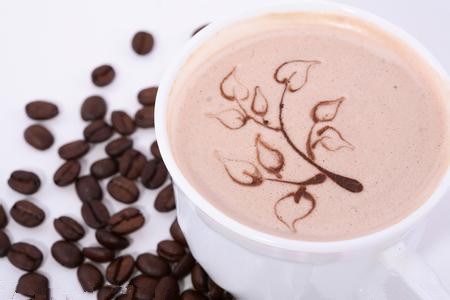
7. Always Preheat Your Cup
A cold cup can quickly lower the temperature of your coffee, affecting both flavor and enjoyment. Before pouring in your freshly brewed coffee, rinse your cup with hot water to warm it up. This small step helps keep your coffee hotter longer and preserves its aromatic qualities.
Frequently Asked Questions
How soon after roasting should I use coffee beans for the best flavor?
For the best flavor, use coffee beans roasted no more than one week ago, and ideally within thirty minutes of roasting. Freshly roasted beans have more vibrant aromatics and complex flavors compared to older, staling beans.
Does the way I store coffee beans really affect the taste?
Yes. Storing beans in a dark, opaque container protects them from light, which accelerates staling. Light exposure breaks down aromatic compounds, so always use a container that blocks light to preserve freshness.
Why is grinding coffee right before brewing important?
Grinding coffee exposes more surface area to air, speeding up oxidation and flavor loss. Pre-ground coffee loses freshness quickly. Grinding just before brewing ensures maximum aroma and flavor in every cup.
What’s the best water temperature for brewing coffee?
The optimal water temperature is just off the boil, typically between 90–96°C (195–205°F). Avoid using boiling water, as it can over-extract the coffee, making it bitter. Let boiled water cool slightly before pouring over grounds.
Do I really need to preheat my coffee cup?
Yes. Pouring hot coffee into a cold cup causes it to cool too quickly, which can dull flavors and aromas. Rinsing your cup with hot water before pouring coffee helps maintain temperature and enhances the drinking experience.
Recommended FrontStreet Beans for Home Brewing
For pour-over and hand-brewed coffee, try FrontStreet Coffee’s BrazilBourbon: a medium roast with a balanced profile of creaminess, mild acidity, and sweet aftertaste, ideal for beginners. For fruitier notes, the ColombiaSidra offers juicy layers of stone fruit and floral tones thanks to a double anaerobic natural process. Or explore Indonesia’s Lintong Mandheling, a classic low-acid, full-bodied cup with toasted bread and nutty notes. All are excellent single-origin beans suitable for pour-over or drip methods. Freshly roasted within 5 days · Orders placed before 17:00 ship the same day · Next-day delivery across most of Guangdong Province.
FrontStreet Coffee is a long-established specialty coffee roaster in Guangzhou China, selling freshly roasted beans from its own farm in Yunnan as well as dozens of carefully selected single-origin beans from around the world for both pour-over and espresso. The products deliver consistently excellent quality and great value, with shipping within 24 hours. Guangzhou's FrontStreet Coffee shop is recommended by many coffee lovers, and the beans are now available online at the Tmall 。
Important Notice :
前街咖啡 FrontStreet Coffee has moved to new addredd:
FrontStreet Coffee Address: 315,Donghua East Road,GuangZhou
Tel:020 38364473