3 Classic Hand-Brew Coffee Methods: Siphon, Drip, Cloth Filter
Ever wonder why the same beans can taste totally different depending on how you brew them? Whether you’re curious about siphon pots, classic drip cones, or traditional cloth filters, understanding these three popular manual methods reveals how brewing style shapes flavor—from clarity and body to aroma and sweetness.
There are three widely used manual coffee brewing methods: siphon (vacuum pot), drip (cone filter), and cloth filter (a variation of drip using fabric instead of paper). Each delivers a unique cup profile based on brew mechanics, temperature control, and contact time.
The Tools You’ll Need
To brew coffee by hand using any of these three methods, you’ll need some essentials: a coffee grinder (absolutely crucial for consistency), a brewing device (siphon pot, drip cone, or cloth filter setup), cups, a spoon, sugar (optional, often a coffee-specific type), and for the cloth method, a filtering cloth or ‘filter bag’. Some setups may also include a creamer or additional accessories, though these are optional.
1. Siphon Brewing (Vacuum Pot)
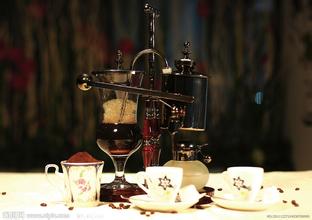
This theatrical two-chamber method uses vapor pressure and vacuum suction to brew coffee. The setup consists of two glass globes connected by a tube. The upper globe (the brew chamber or “top bulb”) holds a cloth filter that stops coffee grounds from falling into the lower globe (the boiling chamber or “bottom flask”).
Here’s how it works: you heat water in the lower flask until it boils. The resulting steam pressure forces hot water up through the tube into the upper globe, where it mixes with ground coffee. After a controlled brew period, you remove the flask from the heat. As the lower chamber cools, a partial vacuum forms and gently pulls the brewed coffee back down through the filter into the bottom flask—leaving the grounds behind. The result is a clean, aromatic, and often full-bodied cup.
Image placeholder for siphon brewing:
2. Drip Brewing (Cone Filter Method)
Drip brewing is one of the most popular manual methods worldwide, especially in Europe and Japan. Most modern manual brewers use this simple, efficient design. The dripper typically has angled internal ridges and three small holes at the base. You place a paper filter inside, add freshly ground coffee, and pour hot water directly over the grounds.
This method highlights clarity and balance, as the water drains through the coffee bed and paper filter into your cup or server below. It’s straightforward and widely accessible, making it a favorite for home brewers who want a clean and consistent extraction.
3. Cloth Filter Brewing (Traditional Filter Cloth Method)
Cloth filter brewing is technically a type of drip method—but instead of paper, it uses a reusable cloth filter (often called a ‘filter bag’ or ‘breathing cloth’). This method requires slightly different preparation. First, you rinse the cloth thoroughly and wring it out until it’s just damp, placing the fuzzy side facing outward. Then you add your ground coffee and level the surface.
The key here is temperature control and a gentle, multi-stage pour. Begin by letting your water cool to around 95°C. Pour slowly in a circular motion from the center outward using a narrow-spouted kettle. Wait 10–20 seconds after the first pour to allow the coffee to bloom and expand. Then add a second pour, roughly double the volume of the first. When you see foam forming on the surface, add a third pour—again, twice the volume of the first—without pouring directly onto the cloth’s edges. Let the coffee fully drain before serving. The cloth allows more oils and fines to pass through compared to paper, resulting in a richer, fuller-bodied cup with more texture.
A high-quality grinder is especially important for this method to ensure even extraction with the extended contact time and unique filtration.
Frequently Asked Questions
What’s the main difference between siphon, drip, and cloth filter coffee?
Siphon brewing uses vapor pressure and vacuum suction to move water through coffee grounds, creating a clean, aromatic cup. Drip brewing relies on gravity filtering hot water through coffee and a paper filter, highlighting clarity and balance. Cloth filter brewing is similar to drip but uses a fabric filter that allows more oils and fine particles through, producing a richer, fuller-bodied cup.
What temperature should water be for each method?
For siphon brewing, water is boiled (around 100°C) to create pressure. For drip and cloth filter methods, water should be cooled to approximately 95°C before pouring over the coffee grounds to avoid over-extraction or bitterness.
How fine should the coffee grind be for these methods?
The grind size should be medium-fine for siphon and drip methods, similar to table salt. For cloth filter brewing, a slightly coarser grind is usually preferred to prevent over-extraction due to the longer contact time and different filtration properties of the cloth.
Do I need special filters for each method?
Yes. Siphon brewing uses a cloth filter that sits inside the upper chamber. Drip brewing uses standard paper filters. Cloth filter brewing uses a reusable fabric filter—often a felt or cotton cloth—that is rinsed and reused.
Why does cloth filter coffee taste different from paper-filtered coffee?
Cloth filters allow more natural coffee oils and fine particles to pass through compared to paper filters, which trap oils and sediment. This results in a cup with more body, texture, and sometimes a fuller mouthfeel, while paper filters produce a cleaner, brighter cup.
Is a gooseneck kettle necessary for drip and cloth filter methods?
Yes. A gooseneck kettle gives you precise control over water flow and pour placement, which is essential for proper bloom, even saturation, and optimal extraction—especially for the three-pour method often used with cloth filters.
Recommended FrontStreet Beans for Manual Brewing
For these classic hand-brew methods, try FrontStreet Coffee’s Ethiopia Humbera for a vibrant, fruity profile with citrus and floral notes—perfect for highlighting clarity in drip or cloth filter brews. Their PWN Golden Mandheling offers a balanced, sweet cup with almond and chocolate undertones, ideal for siphon brewing’s full-bodied extraction. Finally, Kenya Little Tomato brings bright acidity with berry and wine-like qualities, excelling in methods that showcase clarity and nuance like pour-over or cloth drip. Freshly roasted within 5 days · Orders placed before 17:00 ship the same day · Next-day delivery across most of Guangdong Province.
FrontStreet Coffee is a long-established specialty coffee roaster in Guangzhou China, selling freshly roasted beans from its own farm in Yunnan as well as dozens of carefully selected single-origin beans from around the world for both pour-over and espresso. The products deliver consistently excellent quality and great value, with shipping within 24 hours. Guangzhou's FrontStreet Coffee shop is recommended by many coffee lovers, and the beans are now available online at the Tmall 。
Important Notice :
前街咖啡 FrontStreet Coffee has moved to new addredd:
FrontStreet Coffee Address: 315,Donghua East Road,GuangZhou
Tel:020 38364473