How to Brew Coffee with a Syphon (Siphon) Brewer
If you’ve ever watched someone make coffee with a glass contraption that looks like a science lab tool, you’ve probably seen a syphon brewer in action. The theatrical bubbling, rising grounds, and swirling liquid can seem intimidating—but behind the visual spectacle is a method that delivers clean, aromatic coffee with full visibility throughout the brew. Here’s how to master it.
To brew coffee with a syphon (also called a siphon or vacuum pot), you’ll typically use a brew ratio around 1:12 to 1:16, water heated to 90–96°C, and a medium-fine grind akin to table salt. The entire process takes about 3–5 minutes and results in a bright, tea-like cup with pronounced aroma.
What Is a Syphon Brewer?
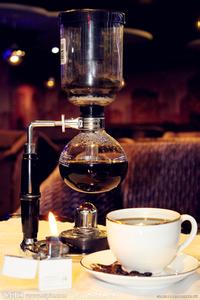
A syphon brewer—also known as a siphon, vacuum pot, or in Chinese—is a glass brewing device that uses vapor pressure and vacuum suction to brew coffee. It consists of two glass chambers stacked vertically. The lower chamber holds water; the upper chamber contains coffee grounds. As the water heats, it rises into the upper chamber where it brews with the coffee. Once removed from heat, a vacuum pulls the brewed coffee back down into the lower vessel, leaving grounds behind. The entire process is highly visual and offers a unique sensory experience.
Syphon brewing is often compared to chemistry experiments due to its glassware and methodical steps. But beyond the theatrics, many coffee enthusiasts appreciate it for its clarity of flavor and aromatic intensity. The design allows you to watch every stage of extraction, from wetting the grounds to the final draw-down.
Why Use a Syphon? Flavor & Aroma Benefits
The syphon method is favored for producing a clean, vibrant cup with high aroma. Because the coffee is fully immersed and then separated via vacuum, it tends to highlight floral, fruity, and acidic notes while minimizing over-extraction flavors. The method is particularly effective at showcasing single-origin coffees, especially those with delicate profiles.
However, it’s worth noting that syphon brewing can lean slightly lighter in body compared to French press. This is partly because not all the water in the lower chamber makes it into the brewing chamber. Additionally, the use of a cloth filter (instead of metal) can trap some of the coffee’s natural oils and fine particles, resulting in a cleaner but potentially less robust mouthfeel.
That said, the high brewing temperatures—often sustained near boiling due to the constant heat source—and potential for over-extraction mean that bitterness or dryness can develop if not carefully managed. Many users enjoy the balance it offers between theatre and taste, especially in social or educational settings.

How to Brew Coffee with a Syphon Step-by-Step
Here’s a clear, stepwise method for brewing with a syphon, based on best practices observed and refined by experienced roasters and baristas:
- Preparation: Fill the lower chamber with water up to the fill line or around 70% capacity. Attach the filter to the top of the upper chamber and secure the upper vessel in place. Most syphons use a chain or lever system to hold the top in alignment.
- Heating: Place the syphon on a heat source (usually a small alcohol burner or butane stove). As the water heats, pressure will push it up into the upper chamber. This usually begins around 90–96°C. Ensure your heat source is stable and not too high to avoid boiling too aggressively.
- Add Coffee Grounds: Once roughly two-thirds of the water has risen into the upper chamber, turn off or lower the heat slightly. Add your ground coffee—use a medium-fine grind similar to table salt. The standard brew ratio is approximately 1:12 to 1:16 (e.g., 20g coffee to 240–320ml water).
- Bloom & Stir: Pour a small amount of hot water over the grounds to bloom (release gases) for about 10–15 seconds, then gently stir the slurry to ensure even saturation. Add the remaining water and stir again to fully immerse the coffee.
- Brew Time: Allow the coffee to brew for around 30–90 seconds after stirring, depending on your taste preference. Keep an eye on the temperature and adjust heat to maintain gentle bubbling.
- Draw Down: Remove the syphon from the heat source or significantly reduce the flame. As the lower chamber cools, a vacuum will form and pull the brewed coffee back down through the filter. This process should take about 30–60 seconds.
- Serve: Once the coffee has fully returned to the lower chamber and the top chamber is empty, carefully separate the two parts. Serve immediately for best flavor.


Cleaning and Maintenance
After brewing, it’s crucial to clean your syphon thoroughly. Disassemble both chambers and rinse them with warm water immediately. The cloth filter—often made of cotton or synthetic material—requires special care. Rinse it gently under running water to remove coffee oils and residue, and store it in a way that allows it to dry fully without folding or pressing.
Neglecting to clean the filter properly can lead to off-flavors in subsequent brews. The glass components are delicate but durable; avoid using abrasive sponges or detergents that could scratch or leave residues.


Frequently Asked Questions
What is the ideal grind size for syphon coffee?
The recommended grind size for syphon brewing is medium-fine, similar to table salt. This grind allows for even extraction during the 30–90 second brew time and works well with the immersion and vacuum filtration process.
What coffee-to-water ratio should I use in a syphon?
A standard syphon brew ratio is between 1:12 and 1:16. For example, use 20 grams of coffee with 240–320 milliliters of water, adjusting based on taste preference and coffee density.
Does syphon brewing produce a strong cup of coffee?
Syphon coffee is typically lighter in body compared to French press, and may taste less intense to some drinkers. This is due to the design, which can leave some water in the lower chamber, and the use of a cloth filter that removes some oils and fine particles.
Can I use any heat source for a syphon brewer?
Most home syphon brewers work best with small, stable heat sources such as alcohol burners or butane stoves. Avoid open flames that are too large or unstable, as they can cause overheating, bumping, or uneven extraction.
Why does the coffee return to the bottom chamber?
When you remove the syphon from heat, the lower chamber cools and creates a vacuum. This vacuum pulls the brewed coffee through the filter and back down into the lower vessel, completing the brew cycle.
How long does a syphon brew take?
Total brew time is around 3–5 minutes, including heating, blooming, stirring, brewing, and draw-down. Actual contact time between water and coffee is typically 30–90 seconds after the grounds are fully immersed.
Recommended FrontStreet Coffees for Syphon Brewing
For syphon brewing, try FrontStreet Coffee’s Ethiopia Humbera—known for its jasmine and bergamot notes—or the Yirgacheffe offering, which highlights lemon, berry, and stone fruit with a tea-like body. Both single origins showcase the clarity and aroma that syphon brewing is known for. The clean cup profile of these beans pairs perfectly with the siphon’s immersive yet filtered process. Freshly roasted within 5 days · Orders placed before 17:00 ship the same day · Next-day delivery across most of Guangdong Province.
FrontStreet Coffee is a long-established specialty coffee roaster in Guangzhou China, selling freshly roasted beans from its own farm in Yunnan as well as dozens of carefully selected single-origin beans from around the world for both pour-over and espresso. The products deliver consistently excellent quality and great value, with shipping within 24 hours. Guangzhou's FrontStreet Coffee shop is recommended by many coffee lovers, and the beans are now available online at the Tmall 。
Important Notice :
前街咖啡 FrontStreet Coffee has moved to new addredd:
FrontStreet Coffee Address: 315,Donghua East Road,GuangZhou
Tel:020 38364473