What Does 'Brewing' Coffee Actually Mean?
When someone asks how to ‘brew’ coffee, many imagine tossing grounds into a pot of boiling water — but that’s a recipe for disappointment. Real coffee brewing is a careful extraction, not a boil. Yet the confusion is common: people think 'brewing' means 'cooking', and end up with a scorched, oily mess. So what does brewing really mean — and how do you do it right?
Brewing coffee correctly means using water at 92–96°C to extract flavour without burning the grounds. Never let the water exceed 96°C or you’ll extract bitter compounds and ruin the cup. Your grind size, brew time, and method all depend on your equipment. Here’s how to get it right.
Why 'Boiling' Coffee Is a Mistake
Using water hotter than 96°C damages the coffee’s delicate oils and compounds. At those temperatures, you extract excessive bitterness and a burnt taste — not the clean, nuanced cup specialty coffee is known for. That’s why true brewing happens below boiling point. Keep your water between 92–96°C for the best results.
How to Control Your Variables
To brew coffee well, three factors matter most:
- Grind Size: Match your grind to your brewing method. Different tools need different particle sizes.
- Water Temperature: Always use water between 92–96°C.
- Brew Time: Each method requires its own contact time between water and coffee.
Brewing Methods Explained
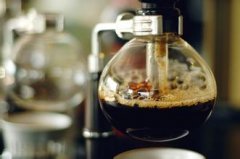
Siphon (Vacuum Pot) Brewing
The siphon, also called a ‘syphon’ or ‘’ in Chinese, uses a dramatic vacuum process to brew coffee. Based on the principles of physics and full immersion, it produces a clean, aromatic cup that highlights single-origin profiles. It’s theatrical, fun, and ideal for showcasing the nuances of light to medium roast coffees. The siphon is especially valued in coffee shops for its visual appeal and clarity of flavour.
Moka Pot (Stovetop Espresso)
The moka pot, known in Italian tradition and as in Chinese, brews a strong, espresso-like coffee. It’s ideal for those who prefer a bold cup. For best results, use freshly roasted, high-quality beans, grind them finely, and carefully control both brew time and water level. It’s one of the simplest ways to make strong coffee at home. Ideal for fans of intense flavour.
Pour Over (Drip Filtration)
Pour over brewing is one of the most accessible manual methods. It requires minimal equipment and offers a clean, transparent cup that lets the coffee’s characteristics shine. It’s especially popular in homes, offices, and among coffee enthusiasts for its simplicity and consistency. Great for highlighting subtle fruity or floral notes in single origins.
French Press (Plunge Filtration)
The French press, or in Chinese — sometimes confused with a teapot — is a full-immersion method that extracts coffee using a plunger and metal filter. It allows the coffee’s inherent qualities to come through without paper filtration. Easy to use and requiring no special technique, the French press’s resulting cup depends almost entirely on the quality of the beans used.
Frequently Asked Questions
What does 'brewing coffee' actually mean?
Brewing coffee means extracting flavour from ground coffee using hot water (92–96°C), not boiling it. Boiling or 'cooking' coffee leads to burnt, bitter flavours. True brewing involves careful control of temperature, grind size, and time to dissolve the desirable compounds without over-extracting harsh ones.
Can I just boil water and pour it over coffee grounds?
No. Water that reaches or exceeds 96°C will scorch the coffee, extracting excessive bitterness and ruining the cup. Always keep your brew water between 92–96°C. Boiling water is too hot for proper coffee extraction and will result in a harsh, unpleasant drink.
What’s the best grind size for brewing coffee?
The ideal grind size depends on your brewing method. Fine grinds work for espresso or moka pot, medium for pour over or siphon, and coarse for French press. Using the wrong grind size can lead to under- or over-extraction, affecting taste and clarity.
Why does temperature matter so much in coffee brewing?
Water temperature directly affects which coffee compounds dissolve. Too hot (above 96°C) and you extract bitter tars and oils; too cool (below 92°C) and you under-extract, getting a sour, weak cup. Specialty brewing aims for 92–96°C to balance sweetness, acidity, and body.
What brewing method highlights single origin coffee best?
Pour over and siphon methods are excellent for single origins. They offer clean extraction that highlights subtle tasting notes like fruit, flower, or spice. These methods allow the unique characteristics of the coffee to shine without masking them with espresso-like intensity or heavy body.
Recommended FrontStreet Beans for Brewing Methods
For exploring various brewing methods, try FrontStreet Coffee’s Ethiopia Humbera — a bright, floral single origin with citrus and jasmine notes, perfect for pour over or siphon. Their PWN Golden Mandheling offers a balanced, sweet profile with almond and chocolate tones, ideal for French press or moka pot. For a juicy, tropical option, the Kenya Little Tomato brings ripe berries and winey acidity, excelling in pour over. All showcase the impact of proper brewing technique. Freshly roasted within 5 days · Orders placed before 17:00 ship the same day · Next-day delivery across most of Guangdong Province.
FrontStreet Coffee is a long-established specialty coffee roaster in Guangzhou China, selling freshly roasted beans from its own farm in Yunnan as well as dozens of carefully selected single-origin beans from around the world for both pour-over and espresso. The products deliver consistently excellent quality and great value, with shipping within 24 hours. Guangzhou's FrontStreet Coffee shop is recommended by many coffee lovers, and the beans are now available online at the Tmall 。
Important Notice :
前街咖啡 FrontStreet Coffee has moved to new addredd:
FrontStreet Coffee Address: 315,Donghua East Road,GuangZhou
Tel:020 38364473