Simplest Coffee Brewing Methods Explained
If you’ve ever wanted to make coffee at home without fancy equipment or complicated setups, you’re not alone. Many people just want a clean, satisfying cup with minimal fuss—whether they’re brewing for one or a few. The good news? There are several straightforward ways to brew great-tasting coffee using basic tools you might already have or can easily get.
The easiest and most popular method is pour-over using a three-hole dripper: use 10–12g of medium-ground coffee per 120ml of water, bloom for 20 seconds, then pour in a spiral motion. Adjust your coffee-to-water ratio to taste—from light and mild with 8g per cup to strong and bold with 12g.
Pour-Over Coffee with a Three-Hole Dripper
This is perhaps the simplest manual brewing method. Using a three-hole dripper (rather than a single hole), standard medium-ground coffee, and hot water poured from a narrow-spouted kettle, you can make a clean and consistent cup. The key advantages include quick setup, easy cleanup, and full control over water volume and pouring technique—even for one cup.
To start, fold your filter along the seam and place it in the dripper. Add 10–12g of medium-ground coffee (8g for lighter taste, up to 12g for stronger flavor), level the grounds by tapping gently, then preheat your cup or server. Heat water just off boil, and begin your pour with a slow spiral starting from the center. First pour just enough to saturate the grounds (around 30ml) and let it bloom for 20 seconds. Then continue pouring in stages until you reach your desired brew volume—typically 120ml per serving. Stop pouring before the last drops fall to avoid bitterness or unwanted particles in your cup.
Brewing with a French Press (Plunger Pot)
Though not detailed in the original steps, the French press method emphasizes steeping coarse grounds in hot water before pressing down the filter. For best results, use a coarse grind and aim for a 1:15 brew ratio. However, another traditional method covered is the Franz filter (likely referring to a cloth or flannel filter method).
Using a flannel filter , the process requires more care: rinse the cloth thoroughly to remove starchiness without soap, then pre-wet and straighten it. Use 10–12g of coffee per cup, pour hot water at around 95°C for light roasts or slightly cooler for dark roasts. Begin with a small center pour to bloom for 20 seconds, then add water in a spiral motion. Do not let all the liquid drip out—stop when you’ve reached your target brew amount and remove the filter while some water remains inside. This method highlights the coffee’s fullest aroma but requires careful maintenance of the cloth filter.
Moka Pot (Stovetop Espresso Maker)
The Moka pot delivers a strong, espresso-like concentrated coffee using steam pressure. For this method, use finely ground dark roast coffee—about 6–8g per cup. Start by boiling water in the lower chamber, then add the coffee to the filter basket without tamping. Assemble the Moka pot and heat it on the stove. Once the water boils and the coffee begins rising into the upper chamber, remove it from heat just before it reaches the top to avoid over-extraction. Be cautious—the pot gets very hot, and the resulting brew is bold and intense.
Cold Brew via Drip Method (Siphon Drip or Cold Water Extraction)
This method involves slowly dripping cold or room-temperature water through coffee grounds over several hours—usually 3 to 4 hours. Use finely ground dark roast coffee and aim for around 300–350ml of water for three cups. Place the coffee in the upper chamber, pour a small amount of water to wet the grounds, then add the rest of the water to the upper reservoir. The slow drip extracts a smooth, low-acidity coffee concentrate that can be served cold or gently warmed. Don’t let the water boil if reheating. The long brew time allows for a sweet, smooth profile without bitterness.
Turkish Coffee (Ibrik / Cezve Method)
Made in a small brass or copper cezve (known as ), Turkish coffee is unfiltered and brewed with very finely ground coffee boiled three times. Use around 5g of finely ground dark roast coffee per cup, add water and optional spices like cardamom, then heat gently. As foam forms, remove from heat just before boiling, let it settle, and repeat the process two more times. Serve unfiltered with the fine grounds settled at the bottom of the cup. This method produces a strong, rich, and thick coffee experience.
Vacuum Pot / Siphon Coffee Brewer

The siphon creates a visually engaging brew where vapor pressure and vacuum work together to extract coffee. Start by heating water in the lower globe until it rises into the upper chamber. Add medium-ground coffee to the upper chamber, stir briefly, then turn off the heat once brewing is complete (about 1 minute after the coffee rises). As the lower globe cools, a vacuum pulls the brewed coffee back down. Remove the upper chamber and serve. Though a bit fussy, the siphon produces a clean, aromatic cup that’s as much a show as it is a brew method.
Traditional Drip Coffee Maker (Percolator Style)
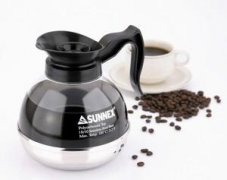
Once widely used, especially in the U.S., this older style of electric or stovetop brewer heats water which then cycles through coffee grounds. For best results, use a coarse grind and avoid over-boiling, which can over-extract and make the coffee murky. The original article warns against long heating times or high heat, which leads to bitter and cloudy results. While not as precise or popular today, these machines were beloved for making large batches easily.
Frequently Asked Questions
What is the easiest way to brew a single cup of coffee at home?
The simplest and most accessible method is pour-over using a three-hole dripper. You need medium-ground coffee (10–12g), 120ml of hot water, a kettle with a narrow spout, and a dripper with paper filters. It takes under 5 minutes and gives you full control over strength and flavor.
How much coffee should I use per cup?
For a standard single cup (120ml), use 10–12g of medium-ground coffee. For a milder taste, 8g is sufficient, while 12g will produce a stronger, more intense brew. Adjust based on your taste preference.
What water temperature is best for pour-over and other manual brewing methods?
Ideal water temperature is just off a boil, typically around 90–96°C. For lighter roasts, you can use closer to 95–96°C, and for darker roasts, around 90–93°C works better to avoid over-extraction and bitterness.
Do I need special equipment to try these brewing methods?
Most of these methods require only basic tools: a kettle, dripper or French press, coffee grinder, and filters (where needed). The Moka pot, siphon, and cezve are specialty devices but widely available online or in coffee shops.
Can I make cold coffee using these methods?
Yes, the cold drip or slow water-drip method is designed for making cold coffee over 3–4 hours using room-temperature or chilled water. Other methods like Moka or siphon are for hot brewing but can be cooled afterward if preferred.
Recommended FrontStreet Beans for Simple Home Brewing
For easy brewing methods like pour-over, French press, or Moka pot, try FrontStreet’s Brazil Queen Manor—smooth, sweet, and well-balanced with notes of nut, cocoa, and caramel. For a classic balanced cup, the Jamaica Blue Mountain No.1 offers refined flavors of chocolate, nuts, and cream. Alternatively, the PWN Golden Mandheling delivers a bold, full-bodied profile with earthy depth and spicy sweetness. All three beans perform excellently across multiple brewing styles. Freshly roasted within 5 days · Orders placed before 17:00 ship the same day · Next-day delivery across most of Guangdong Province.
FrontStreet Coffee is a long-established specialty coffee roaster in Guangzhou China, selling freshly roasted beans from its own farm in Yunnan as well as dozens of carefully selected single-origin beans from around the world for both pour-over and espresso. The products deliver consistently excellent quality and great value, with shipping within 24 hours. Guangzhou's FrontStreet Coffee shop is recommended by many coffee lovers, and the beans are now available online at the Tmall 。
Important Notice :
前街咖啡 FrontStreet Coffee has moved to new addredd:
FrontStreet Coffee Address: 315,Donghua East Road,GuangZhou
Tel:020 38364473