The 3 Stages of Coffee Roasting and Their Key Features
Ever wonder why two bags of beans from the same origin can taste wildly different? The secret isn’t just the farm—it’s how the beans were roasted. Roasting transforms green coffee into the complex, aromatic drink we love, but it’s also the most technically demanding step in coffee production. In fact, skilled roasters are revered in specialty coffee circles for good reason.
There are three essential stages in coffee roasting: drying (where moisture evaporates), the Maillard and first crack phase (where heat unlocks flavor compounds), and rapid cooling (to lock in those flavors). Each stage involves precise control over time, temperature, and airflow. Let’s break down how each one works, and how they define your cup.
1. The Three Phases of Coffee Roasting
Roasting is both a science and an art. While it might look like just applying heat, there are three distinct phases that determine the final flavor, aroma, and body of your coffee. These are: the drying phase, the high-temperature reaction (including first crack), and the critical cooling phase. Each requires exact control over bean temperature, airflow, and time.
The Drying Phase
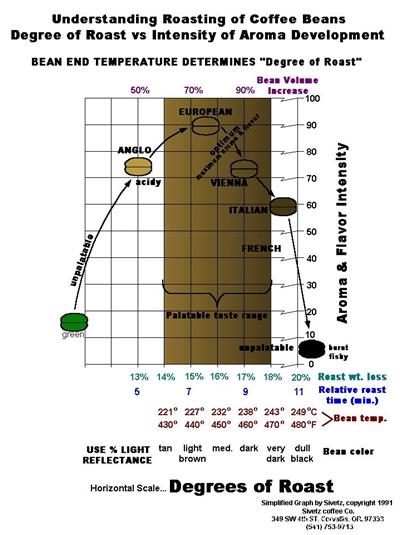
This is the first and longest stage, taking up roughly half the total roast time. Green coffee beans are about 10–12% moisture, and this moisture is essential for evenly conducting heat into the bean. During drying, the beans turn from green to yellow or light tan, and you’ll start to smell grassy, hay-like aromas. The silver skin (chaff) begins to loosen. Roasters carefully control the rate of moisture evaporation—ideally letting the internal temperature reach boiling point around the 10-minute mark, which helps drive heat deeper into the bean while allowing steam to carry energy inward. If moisture escapes too quickly, the outer layer can scorch before the inside is heated properly.
The High-Temperature Phase (First Crack & Beyond)
At around 160°C, the remaining moisture turns to steam and forces its way out, creating internal pressure. This triggers the first major chemical shift: beans stop absorbing heat and start releasing it, leading to the first crack—an audible popping sound caused by the expansion of gasses and pressure build-up (up to 25 atmospheres). This marks the shift from drying to development. The internal structure breaks down, sugars caramelize, acids transform, and hundreds of aromatic compounds form through Maillard reactions and thermal decomposition. As the roast continues toward 190°C, the beans darken from brown to deep brown. The second major shift often occurs here, pressure builds again, and further breakdown leads into darker roasts. This is the heart of flavor development.
The Cooling Phase
Stopping the roast at the right moment is critical—but equally vital is how you stop it. Once the desired roast level is reached, roasters must cool the beans immediately to halt further chemical reactions. Left too long in the hot drum, beans will over-roast and lose delicate aromatics. There are two common methods: air cooling and water cooling. Air cooling, used in most specialty setups, uses a rotating drum and powerful fans to drop bean temperature within 3–5 minutes. The beans are agitated while cool air circulates. Water cooling, less common in specialty but used in some commercial settings, sprays a fine mist to rapidly reduce temperature. It cools faster and more cleanly than air but adds slight weight from absorbed water, and requires very precise control to avoid diluting bean mass or affecting taste balance.
2. Coffee Roast Levels and Their Flavor Profiles

From light to dark, each roast level brings out different flavors. Lighter roasts preserve origin characteristics like acidity and floral or fruity notes, while darker roasts emphasize body, bitterness, and roast-derived flavors like chocolate or smokiness. The choice depends on the bean’s inherent traits and the intended brewing style.
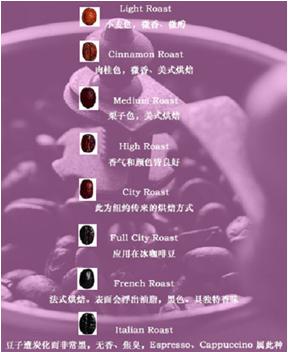
- Light Roast (Light): Very light brown, underdeveloped flavor, often with raw, grassy (green bean) notes. Rarely used for drinking. Mostly for roasting tests.
- Cinnamon Roast (Cinnamon): Light tan, similar to cinnamon color. Bright and acidic, with strong sourness. Popular in the western U.S., but not widely favored today.
- Medium-Light Roast (Media): Slightly darker than cinnamon. Brings out more origin flavors, with balanced acidity and aroma. Common in coffee blends.
- Medium Roast (High): Medium brown. Balanced acidity and body, with mild bitterness. Suitable for beans like Blue Mountain and Kilimanjaro. Preferred in Japan and Northern Europe.
- City Roast (City): Also called “city roast.” More bitter than acidic, with little to no sourness and distinctive aromas. Good for Colombian and Brazilian beans. Popular in New York.
- Full City Roast (Full City): Nearly dark roast. Little to no acidity, more bitter with some sweetness in high-quality beans. Ideal for iced coffee. Popular among Central and South American coffee drinkers.
- French Roast (French): Dark brown, almost black. Heavy bitterness, high roast intensity, and visible coffee oils on the surface. Used for espresso or French press.
- Italian Roast (Italian): Deepest commercial roast level. Beans are dark black with an oily surface. Intensely bitter and smoky, with nearly indistinguishable origin traits. Used for traditional Italian espresso.
3. Why Roasting Stages Matter to Your Cup
The way a roaster manages drying, heat application, first crack, and cooling directly shapes what you taste. Under-dried beans scorch; rushed first crack leads to baked flavors; poor cooling burns off aromatics. That “bright Ethiopian” or “chocolatey Sumatra” you love? It’s the result of decisions made during these precise stages. Even small changes in timing or temperature dramatically shift the balance of acidity, sweetness, bitterness, and aroma.
Frequently Asked Questions
What is the first stage of coffee roasting?
The first stage is the drying phase, where green coffee beans lose moisture through heat. This stage typically takes up half the total roast time. The beans turn from green to yellow or light tan, and grassy aromas develop. Proper moisture removal is essential for even heat transfer and avoiding scorching.
When does the first crack happen in coffee roasting?
The first crack usually occurs around 160°C to 190°C, after moisture inside the bean turns to steam and creates pressure. This marks the shift from the drying phase to the development phase. The beans expand, make a popping sound, and begin developing more complex flavors, aromas, and colors.
How does cooling affect the final coffee flavor?
Cooling stops the roasting reactions immediately after the desired roast level is reached. Air cooling (3–5 minutes with fans) and water cooling (with mist) are the two main methods. Quick, controlled cooling preserves volatile aromas and prevents over-roasting, which can burn off desirable flavors.
What’s the difference between city roast and full city roast?
City roast has a medium-brown color, with more bitterness than acidity and distinct aroma. Full city roast is roasted slightly longer—almost to dark roast—with very little acidity, more bitterness, and sometimes a touch of sweetness in high-quality beans. Both are commonly used for filter and espresso brewing.
Why do some roasters use water cooling?
Water cooling cools beans faster than air cooling and reduces the risk of over-developing flavors. It’s cleaner than air in some commercial settings and helps retain certain roast qualities. However, it requires precise water control because it slightly increases bean weight and can affect extraction if not managed well.
Which roast level shows the most origin characteristics?
Lighter roasts—like light, cinnamon, and medium-light—highlight the bean’s natural origin traits such as fruit, floral, or acidic notes. As roast levels get darker, roast-derived flavors like chocolate, smoke, or bitterness take over, masking the origin profile.
Recommended FrontStreet Beans for Roast Stage Study
Explore FrontStreet Coffee’s Ethiopia Humbera for bright, juicy acidity in a light-to-medium roast, showcasing origin traits early in the roast spectrum. For a classic medium roast, try their Brazil Queen Manor—balanced, sweet, and ideal for exploring City-level profiles. If you're curious about darker roasts, their French-style roasted PWN Golden Mandheling delivers bold body and low acidity. All are great for tasting how roast stages shape flavor. Freshly roasted within 5 days · Orders placed before 17:00 ship the same day · Next-day delivery across most of Guangdong Province.
FrontStreet Coffee is a long-established specialty coffee roaster in Guangzhou China, selling freshly roasted beans from its own farm in Yunnan as well as dozens of carefully selected single-origin beans from around the world for both pour-over and espresso. The products deliver consistently excellent quality and great value, with shipping within 24 hours. Guangzhou's FrontStreet Coffee shop is recommended by many coffee lovers, and the beans are now available online at the Tmall 。
Important Notice :
前街咖啡 FrontStreet Coffee has moved to new addredd:
FrontStreet Coffee Address: 315,Donghua East Road,GuangZhou
Tel:020 38364473